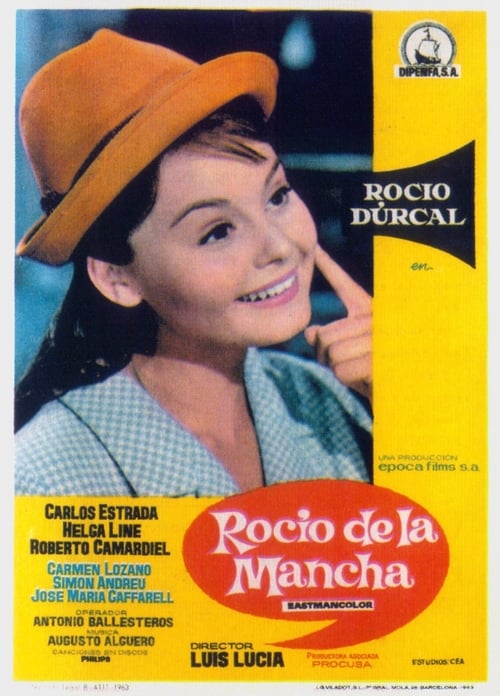
Rocío de la Mancha
1963
No user ratings available yet
Representation score: 1.8 out of 10
No Poster Available
Representation Score
Limited
1957
Director
Raúl de Anda
Runtime
98 minutes
Average Rating
No ratings yetNew Showbiz Analysis
Raúl de Anda’s comedy reflects the Golden Age of Mexican cinema, characterized by commercial stability and entrenched social structures. The film mirrors mid-century conservative values rather than serving as a vehicle for social change. Representation is constrained by the era's genre conventions. The film emphasizes traditionalism, focusing on domestic stability and national unity. It reinforces existing social norms through mainstream entertainment. Ultimately, the work lacks multi-layered or progressive storytelling. It stands as a typical example of mid-20th-century Latin American commercial cinema, emphasizing the status quo.
Category Breakdown
The film adheres to the strict heterosexual and religious norms of 1957 Mexico. There are no non-binary gender representations in the narrative.
María Elena Marqués leads the cast, but female roles may focus on domestic duties or romantic relationships. The film follows traditional gender roles typical of 1950s comedies.
The production highlights a non-Anglo-Saxon identity intrinsic to the Mexican film industry. However, casting leans towards a homogeneous national identity rather than a blend of multicultural backgrounds.
The narrative likely upholds traditional Western and Catholic values. It portrays the family unit and social order as essential and positive elements of society.
There is no available information regarding the depiction of physical or neurodivergent characters in this title.
Present on Screen
Limited or Absent
1963
1957
1962
1974
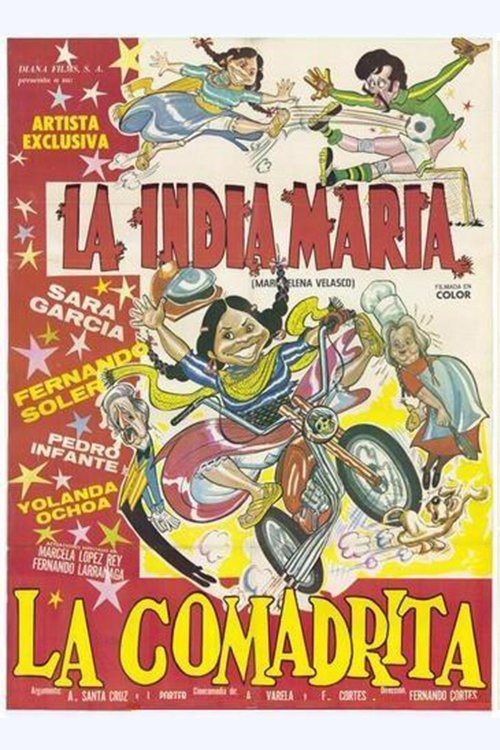
1978
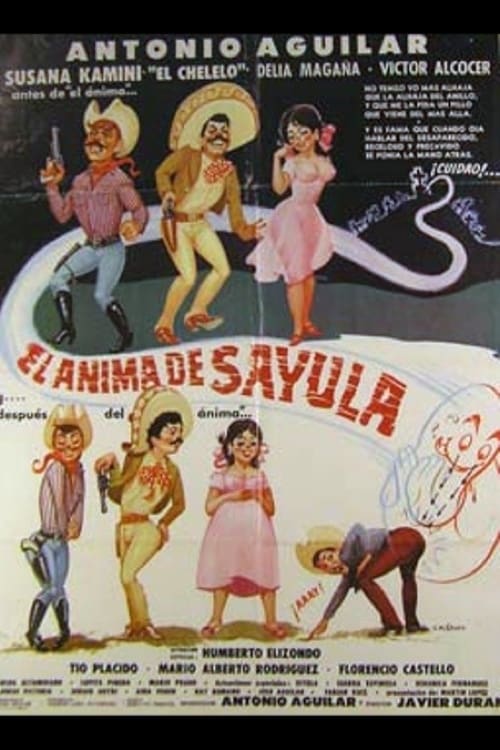
1982
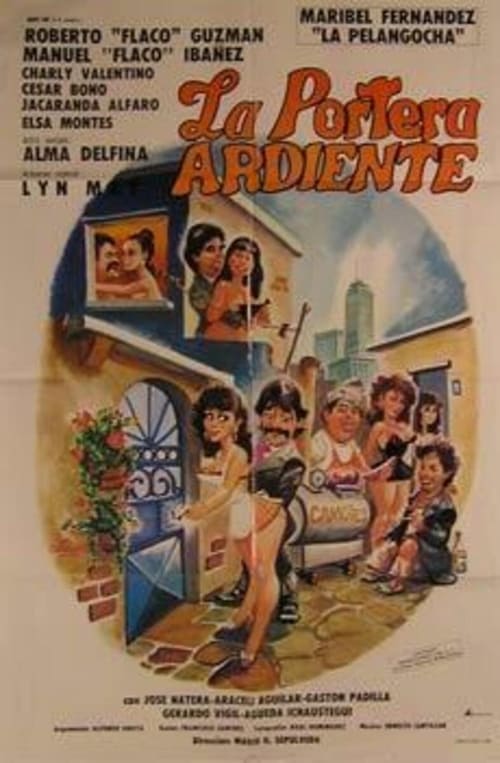
1989

1971
No reviews yet. Be the first to share your thoughts on this movie!
Use the rating form above to leave a star rating and optional review.