
The Ancestral
2022
No user ratings available yet
Diversity score: 5.0 out of 10
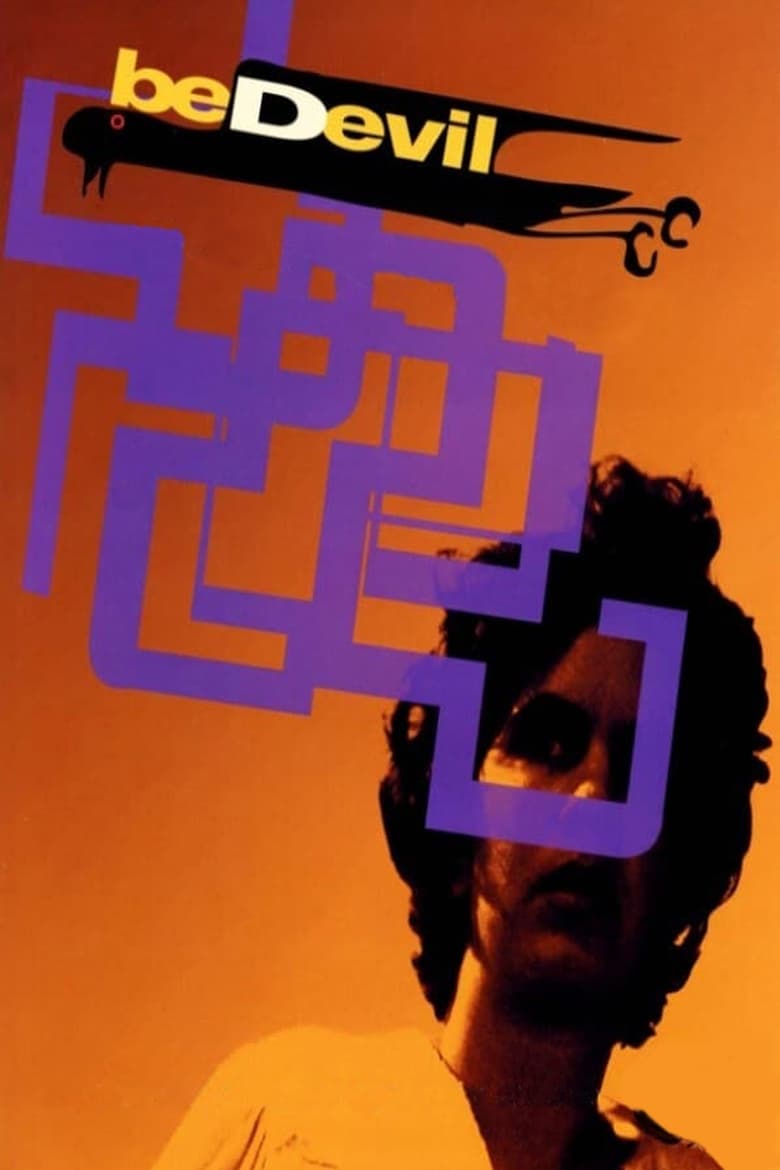
1993
Director
Tracey Moffatt
Runtime
87 minutes
Average Rating
No ratings yetSynopsis
Three stories of the supernatural are recounted in this anthology. Rick, an Aboriginal boy living near a swamp on Bribie Island, is haunted by an American solider who drowned in quicksand. Ruby and her family live in a house near long-abandoned train tracks, which still carry ghostly apparitions. A landlord has trouble evicting the tenants of an old warehouse: a couple that's been dead for years
Overall Score
Fair
Category Breakdown
LGBTQ+ Representation
The film lacks explicit LGBTQ+ characters or narratives. It focuses on surrealist abstraction and psychological states rather than exploring sexual orientation or gender identity.
Gender Representation
The narrative disrupts conventional gendered leadership by prioritizing feminine subjectivity. It uses a dreamscape to subvert standard hierarchies, focusing on nuances of desire and isolation.
Racial & Ethnic Diversity
The film includes Aboriginal perspectives through the story of Rick, an Indigenous boy. This centers local identity and challenges Anglo-centric norms within the horror genre.
Religious & Cultural Diversity
The film embraces subjective morality and fragmented truth. Its desolate settings critique stability and challenge traditional Western notions of progress and order.
Disability Representation
The film explores psychological fragmentation and mental instability through a surrealist lens. However, it lacks characters with visible or diagnosed disabilities or specific neurodivergent studies.
Strengths
Areas for Improvement
AI Analysis
Tracey Moffatt’s anthology uses a fragmented, dreamlike structure to explore memory and trauma. The film stands out for its progressive inclusion of Indigenous perspectives, which provides a necessary counter-narrative to traditional horror tropes. While the work excels at subverting gender hierarchies and centering feminine subjectivity, it remains limited in its representation of LGBTQ+ identities and physical disabilities. The focus is primarily on psychological abstraction rather than specific identity-based character studies. Ultimately, the film is a sophisticated postmodern work. It succeeds by prioritizing individual perception and local heritage over conventional, institutionalized storytelling structures.
2022
2013
2010
2021
2012
2006
2007
2021

2022
2001
2022
2011
No reviews yet. Be the first to share your thoughts on this movie!
Use the rating form above to leave a star rating and optional review.