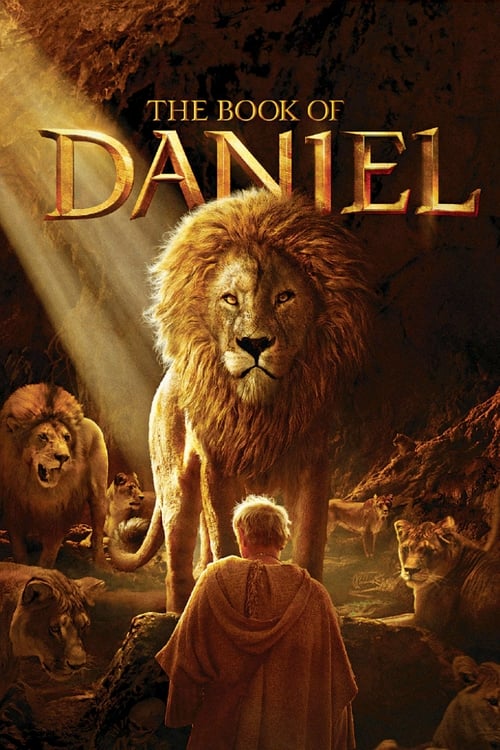
The Book of Daniel
2013
No user ratings available yet
Diversity score: 2.7 out of 10
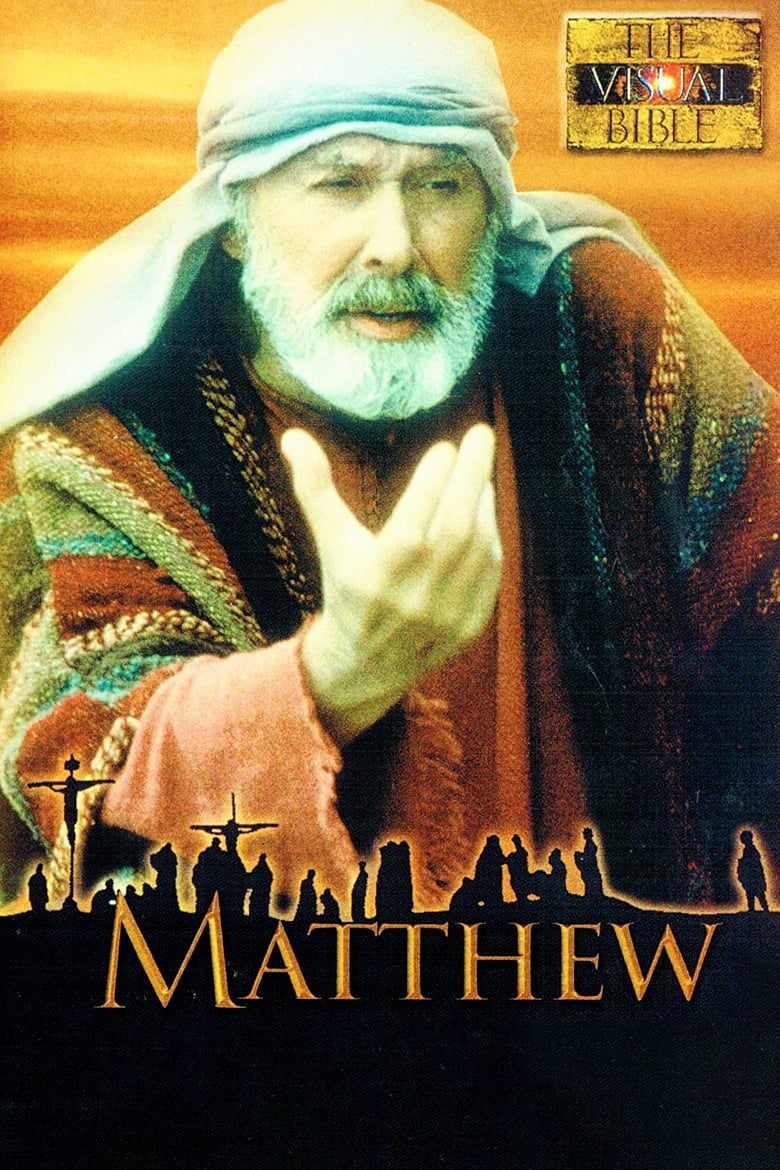
1993
TV-GDirector
Regardt van den Bergh
Runtime
259 minutes
Average Rating
No ratings yetSynopsis
The only dramatization using the actual scriptures...word for word from the New International Version (NIV). In Israel, then known as Judea of the Roman Empire, Nazarene Jesus Christ travels around the country with His disciples preaching to the people about God and salvation of their souls.
Overall Score
Limited
Category Breakdown
LGBTQ+ Representation
The film adheres strictly to the historical and theological context of the NIV text. There is no presence of non-cisnormative gender identities or same-sex intimacy.
Gender Representation
Women appear as essential witnesses, such as Mary Magdalene, but their roles reinforce traditional hierarchies. The narrative focuses on devotion rather than disrupting patriarchal structures.
Racial & Ethnic Diversity
Casting actors of Middle Eastern and Mediterranean descent provides historical authenticity. This approach avoids whitewashing and aligns with the demographic realities of 1st-century Judea.
Religious & Cultural Diversity
The production prioritizes singular Christian morality and divine authority. It functions as a pillar of traditionalist values rather than exploring secular or anti-institutional perspectives.
Disability Representation
Conditions like blindness and leprosy serve as catalysts for miraculous interventions. These depictions function as narrative devices for divine power rather than explorations of lived experience.
Strengths
Areas for Improvement
AI Analysis
The film prioritizes scriptural fidelity and historical realism over contemporary social frameworks. It succeeds in ethnic authenticity by casting actors who reflect the Middle Eastern setting of Judea. However, the narrative remains deeply conservative. It reinforces traditional gender hierarchies and uses disability primarily as a tool for miracle-based storytelling rather than character agency. Ultimately, the production is a traditionalist work. It focuses on theological authority and religious sanctity, offering little room for modern social critiques or diverse identity explorations.
2013
2012
1923
1947
2016
1923
2021

2006
2023
1906
1898
2021
No reviews yet. Be the first to share your thoughts on this movie!
Use the rating form above to leave a star rating and optional review.