
The Sultans
1966
No user ratings available yet
Diversity score: 3.9 out of 10
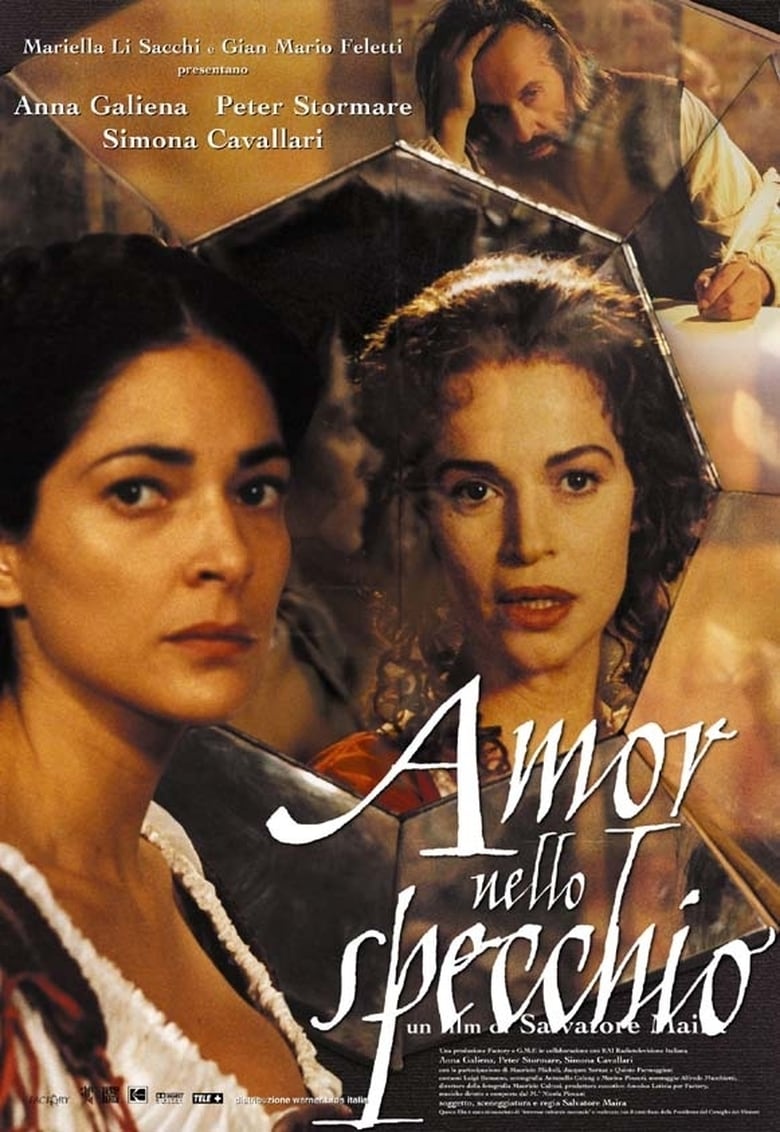
1999
Director
Salvatore Maira
Runtime
104 minutes
Average Rating
No ratings yetSynopsis
In 17th century France, a theater troupe is allowed by its patron to go to Paris to produce an erotic play. The head of the troupe dreams of fame while his wife, the leading actress, and a new leading girl fall for each other.
Overall Score
Fair
Category Breakdown
LGBTQ+ Representation
The film disrupts heteronormative expectations through a romantic entanglement between the leading actress and a newcomer. This female-centric arc challenges traditional courtship tropes within a period setting.
Gender Representation
Women drive the narrative momentum through their emotional and romantic agency. This shifts the focus from the male protagonist's pursuit of fame to complex female interpersonal connections.
Racial & Ethnic Diversity
The 17th-century French setting suggests a homogeneous European social structure. There is no evidence of racial or ethnic diversity within the troupe or the broader narrative.
Religious & Cultural Diversity
The story explores secularism and moral relativism by prioritizing art and desire over rigid social decorum. However, it lacks a broader anti-institutional framework.
Disability Representation
The narrative contains no visible or invisible representation of characters with disabilities.
Strengths
Areas for Improvement
AI Analysis
Love in the Mirror uses a 17th-century theatrical backdrop to explore themes of desire and ambition. Its primary impact comes from centering female agency and a queer romantic connection between two women, which subverts the era's typical social hierarchies. While the film succeeds in providing emotional depth to its female leads, it remains limited by its historical context. The setting appears to favor a homogeneous European cast, offering little in the way of racial or ethnic breadth. Ultimately, the film functions as a character-driven drama that challenges traditional courtship and gender roles, even if it lacks a wider systemic critique of the period's institutions.
1966
2007
1986

1993

1998
1969
1992

2012
2002

1971
1991
1968
No reviews yet. Be the first to share your thoughts on this movie!
Use the rating form above to leave a star rating and optional review.