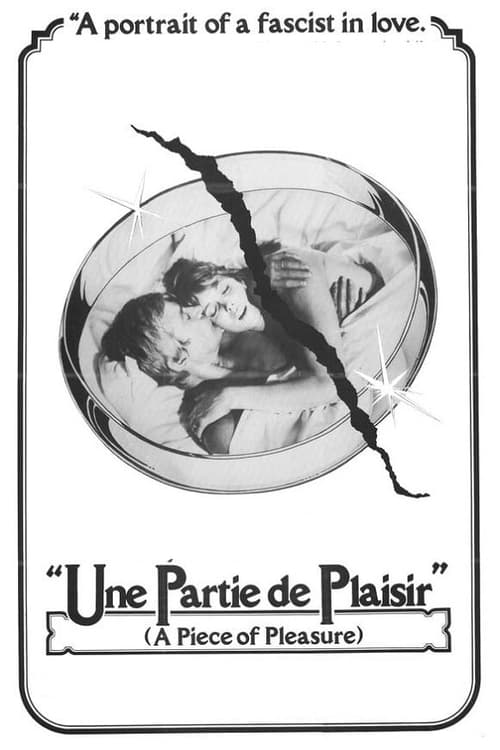
A Piece of Pleasure
1975
No user ratings available yet
Diversity score: 4.7 out of 10

1992
Director
René Féret
Runtime
90 minutes
Average Rating
No ratings yetSynopsis
When a group of student actors travel to a workshop in Dordogne to put on a production of Shakespeare's As You Like It as a summer project, they are as lively and high-spirited a group as one could ask for. While they are there, the young man who has the leading role begins casting cow eyes at the director's wife (Valerie Stroh), and soon she and the boy are having an affair. By the end of the summer, the wife is sufficiently charmed to wonder how she could have gotten into this situation where she deeply loves both men.
Overall Score
Fair
Category Breakdown
LGBTQ+ Representation
The film explores the fluidity of affection and disrupts traditional marital boundaries. While it centers on a conventional affair rather than a specific queer critique, it moves away from rigid relational norms.
Gender Representation
Valérie Stroh serves as a central figure of agency rather than a passive victim. The story subverts the stable wife trope by focusing on her self-directed emotional evolution and complex desires.
Racial & Ethnic Diversity
The production reflects the demographic homogeneity typical of a 1992 French setting. There is no evidence of significant non-white representation among the central trio or the student ensemble.
Religious & Cultural Diversity
The narrative prioritizes emotional authenticity over the preservation of the nuclear family. It embraces moral relativism by framing the disruption of domestic stability as a journey of personal discovery.
Disability Representation
The film provides no discernible evidence regarding the portrayal of physical or neurodivergent disabilities.
Strengths
Areas for Improvement
AI Analysis
Summer Strolls is a character-driven study that prioritizes psychological realism over systemic social commentary. Its primary strength lies in its nuanced treatment of female agency and the deconstruction of traditional domestic roles. By centering the narrative on a woman navigating complex emotional dualities, the film avoids the clichés of the betrayed spouse. However, the film lacks breadth in its representation of identity. The cast appears demographically homogeneous, reflecting the era's limitations, and there is no visible engagement with disability or neurodiversity. The focus remains strictly on the interpersonal dynamics of a specific social group. Ultimately, the film succeeds as a subversion of marital stability but fails to offer a diverse spectrum of racial or physical identities.
1975

1987
1989

1963

2004

2008

1991

1993
1970
2007

1998

1999
No reviews yet. Be the first to share your thoughts on this movie!
Use the rating form above to leave a star rating and optional review.