Love Circle
1969
No user ratings available yet
Diversity score: 6.3 out of 10
1971
XDirector
Jean-François Davy
Runtime
110 minutes
Average Rating
No ratings yetSynopsis
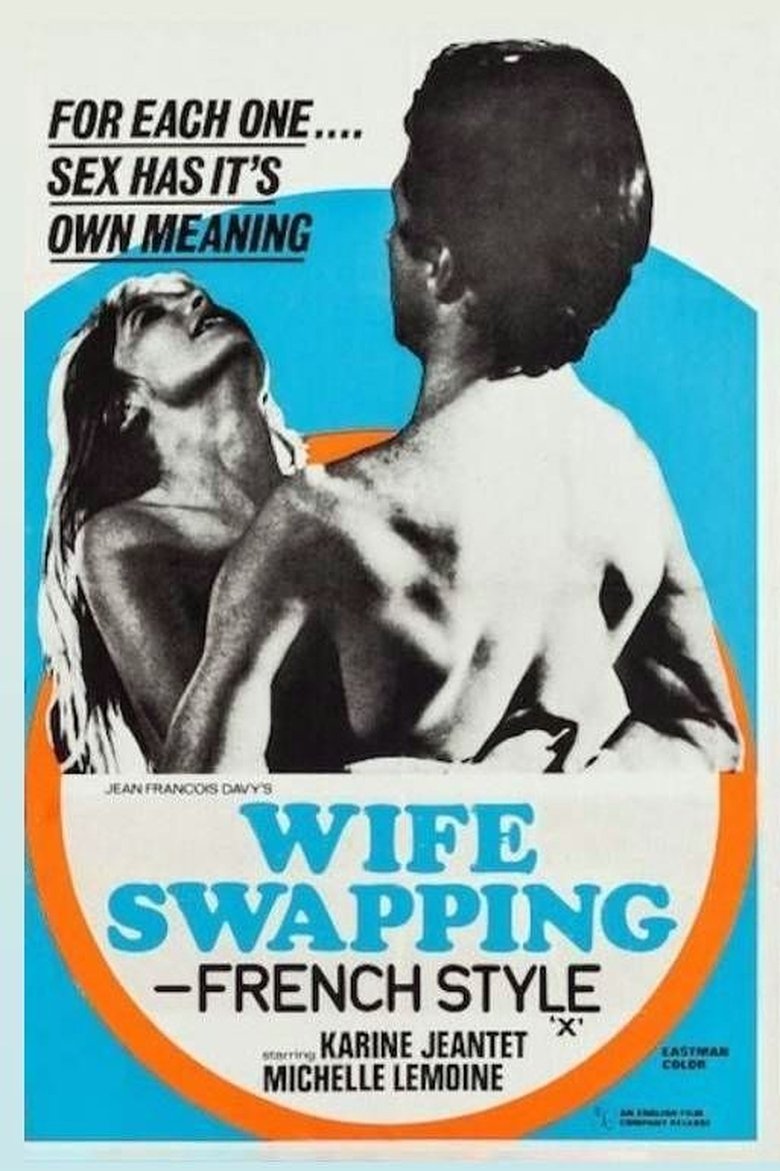
Pierre is a free-lance glamour photographer who always has to hassle his penny-pinching employer just to get paid while his bored spouse Françoise stays home all day, trying to keep up a semblance of housekeeping. A former model who has apparently done well for herself, Sylvie, makes a pass at Pierre and invites him to her house in the country for the weekend. Claiming an assignment to his unsuspecting spouse, he decides to take her up on it, only to learn that she too is married to the very open-minded Michel who even brings them breakfast in bed after a night of unbridled passion . As a lark, perhaps deciding that turnabout is fair play, Michel travels to Paris to console the lonely housewife, luring her into a threesome with a casual pick-up.
Overall Score
Fair
Category Breakdown
LGBTQ+ Representation
The film explores non-traditional relationship structures and polyamory. While it lacks explicit queer identities, it challenges heteronormative monogamy through communal sexual experiences.
Gender Representation
Female characters exercise agency through sexual pursuits and influence over men. The film also softens masculine authority by depicting the male lead as a struggling freelancer.
Racial & Ethnic Diversity
The narrative focuses on a homogeneous European cast. There is no evidence of significant racial or ethnic blending within the primary story arc.
Religious & Cultural Diversity
The film prioritizes secular hedonism over religious structures. It critiques capitalism and traditional domesticity by framing sexual transgression as personal liberation.
Disability Representation
There is no visible evidence regarding the inclusion of characters with physical or neurodivergent disabilities.
Strengths
Areas for Improvement
AI Analysis
Dirty Lovers (1971) serves as a period-specific critique of mid-century social constraints. It succeeds in deconstructing the sanctity of the Western marital institution by replacing traditional morality with situational ethics and individualistic hedonism. The film's strength lies in its subversion of the nuclear family and its portrayal of women as active participants in their own desires. However, the narrative remains limited by its lack of racial and ethnic diversity, focusing almost exclusively on a homogeneous European setting. Ultimately, the film is a study of sexual liberation that prioritizes the disruption of domestic stability over a broad spectrum of human identities.
1969
1965
1975
1953
1977
1980

2000
1974
1991
1973
1972
1963
No reviews yet. Be the first to share your thoughts on this movie!
Use the rating form above to leave a star rating and optional review.