
January
2022
No user ratings available yet
Diversity score: 6.0 out of 10
2006
Director
Krisztina Goda
Runtime
123 minutes
Average Rating
No ratings yetSynopsis
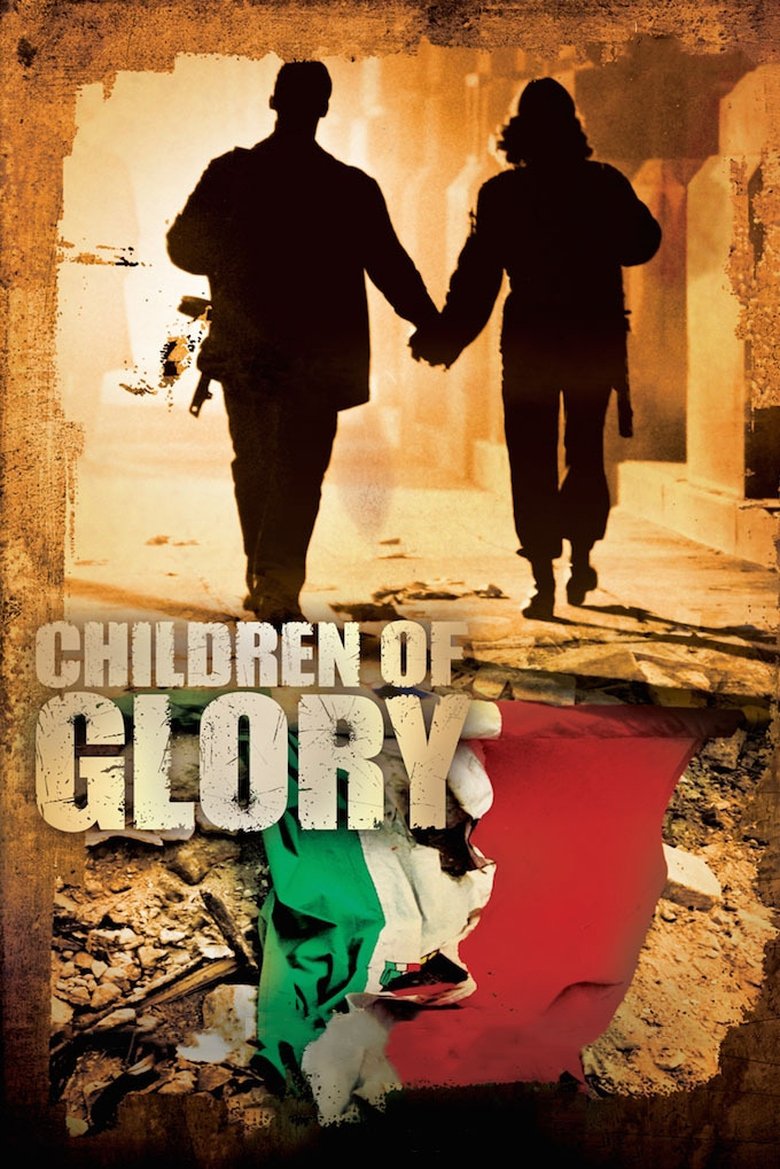
During the ill-fated Hungarian revolution of 1956, Karcsi Szabo, star player on the water polo team, is torn between his love for a revolutionary student and his training for the Melbourne Olympics.
Overall Score
Fair
Category Breakdown
LGBTQ+ Representation
The film focuses on the visceral struggle for survival within a persecuted group. There is no evidence of non-cisnormative identities or same-sex intimacy present.
Gender Representation
Adolescents of various genders navigate extreme trauma throughout the story. While traditional roles shift due to social breakdown, the narrative does not explicitly center on subverting masculinity or femininity.
Racial & Ethnic Diversity
The story provides a concentrated exploration of Jewish identity and the experience of a persecuted minority. It disrupts Eurocentric tropes by focusing on the systemic victimization of these children.
Religious & Cultural Diversity
The narrative critiques state-sponsored violence and the failure of traditional institutions. It highlights how the breakdown of parental authority and morality is a byproduct of systemic cruelty.
Disability Representation
No characters feature specific, identified disabilities as central plot points. Instead, the film depicts collective, invisible mental and physical suffering caused by the pervasive psychological trauma.
Strengths
Areas for Improvement
AI Analysis
Children of Glory is a profound historical study that centers the perspectives of the persecuted. It succeeds by deconstructing the perceived stability of Western institutions during a period of intense systemic oppression. The film achieves high marks in racial and cultural dimensions by framing survival as a complex landscape that disrupts traditional social orders. It moves beyond passive victimhood to show the resilience of a marginalized group. However, the film lacks explicit LGBTQ+ or neurodivergent representation. The intense focus on existential threats and historical trauma leaves little room for the exploration of queer identities or specific disability agency.
2022
2009

2016
2007

1987
1960

2014
1939
1995

2001

2022
2010
No reviews yet. Be the first to share your thoughts on this movie!
Use the rating form above to leave a star rating and optional review.