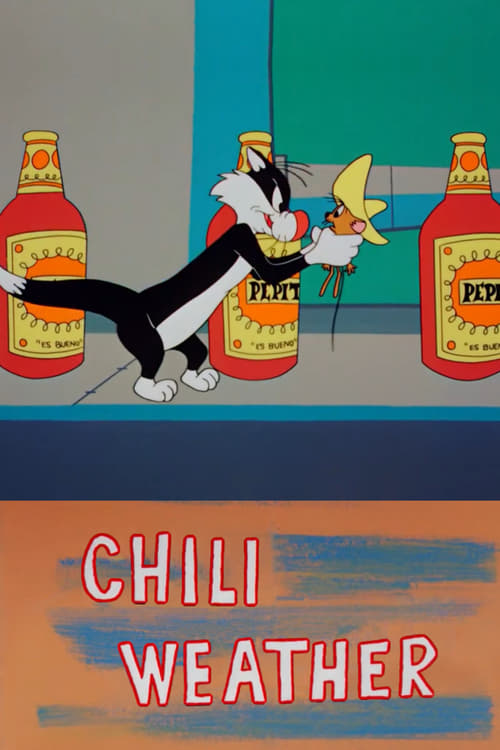
Chili Weather
1963
No user ratings available yet
Representation score: 2.7 out of 10
Representation Score
Minimal
1965
ApprovedDirector
Friz Freleng
Runtime
7 minutes
Average Rating
No ratings yetNew Showbiz Analysis
This animated short functions as a typical mid-century production, relying heavily on established character archetypes. The plot is driven by a domestic conflict that reinforces conventional social hierarchies and traditional household management. While Speedy Gonzales is a key character who drives the central conflict and influences the antagonist's actions, the representation remains tied to specific comedic clichés of the era. The narrative lacks depth in representing multiple aspects of identity, focusing instead on a singular, formulaic interaction. Ultimately, the film prioritizes slapstick comedy and the preservation of domestic order over diverse or nuanced characterizations. It reflects the limited social scope of its time.
Category Breakdown
The story centers around a domestic conflict involving a homeowner, a pest control worker, and rodents. There are no depictions of LGBTQ+ identities or same-sex relationships.
Granny plays a traditional domestic role, serving as the catalyst for the plot. The narrative adheres to mid-century gender roles where she manages the home while male characters handle the physical conflict.
Speedy Gonzales introduces a specific ethnic stereotype that drives the main conflict. However, the portrayal is rooted in era-specific comedic clichés rather than a diverse or blended cast.
The film emphasizes traditional Western domestic structures centered on the sanctity of the private home. Conflict resolution aligns with traditional views of maintaining household order and property management.
There are no characters with visible or invisible disabilities. Sylvester's nervous breakdown serves as a comedic device rather than a nuanced portrayal of mental health issues.
Present on Screen
Limited or Absent
Official Synopsis
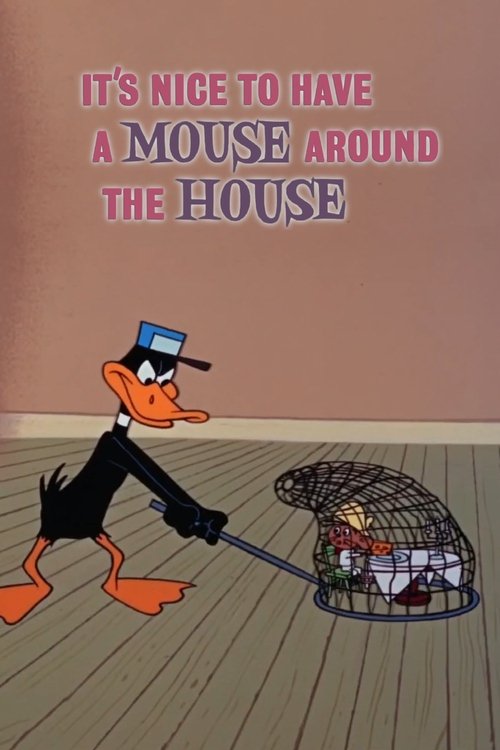
When Speedy Gonzales invades the home of Granny and rapidly drives her cat, Sylvester, to a nervous breakdown, Granny calls on Daffy Duck of the Jet Age Pest Control company to do the job of removing Gonzales from her home.
1963
1959
1966
1953
1964
1962
1963
1965
No reviews yet. Be the first to share your thoughts on this movie!
Use the rating form above to leave a star rating and optional review.