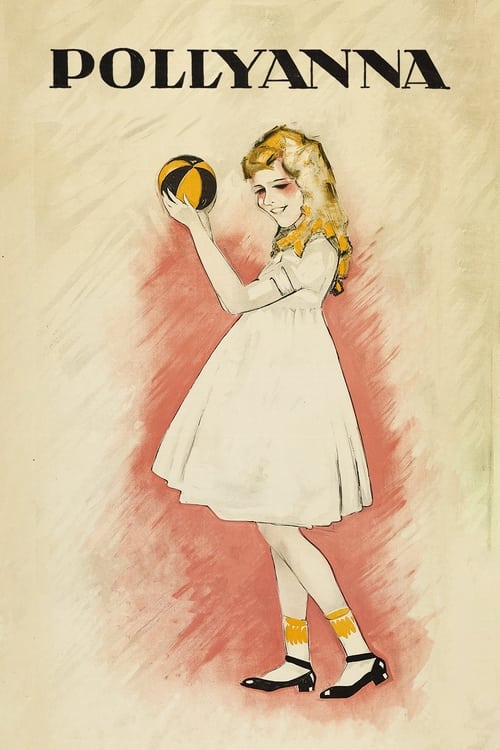
Pollyanna
1920
No user ratings available yet
Representation score: 0.4 out of 10
Representation Score
Limited
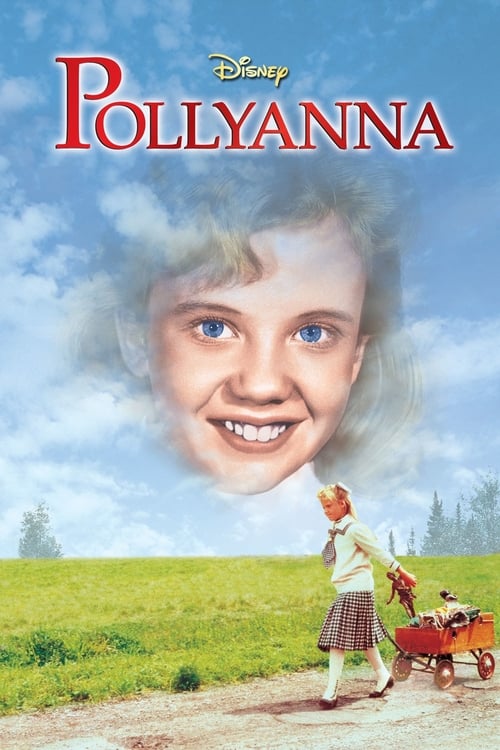
1960
GDirector
David Swift
Runtime
134 minutes
Average Rating
No ratings yetNew Showbiz Analysis
Pollyanna is a classic example of mid-century traditional storytelling. It excels in providing female-centric character development, allowing a young girl to shift domestic power dynamics through emotional influence. However, the film remains largely aligned with traditional values, prioritizing social cohesion and Western moral virtues over the inclusion of underrepresented identities or the disruption of established hierarchies. Ultimately, the production reflects the demographic and social homogeneity of its early 20th-century setting, offering a narrow view of community life.
Category Breakdown
The film focuses solely on traditional heterosexual relationships and does not include any representations of LGBTQ+ identities or queer subtexts.
Pollyanna exerts significant influence over Aunt Polly, challenging traditional gender roles. However, the film does not provide a broader critique of gendered power dynamics.
The cast is predominantly white, reflecting the historical context of a small New England town. There is no attempt to include actors from diverse racial backgrounds.
The narrative emphasizes social cohesion and Western institutional stability, promoting a singular moral code centered on optimism and social decorum.
The film addresses emotional rigidity and bitterness, treating these traits as character flaws to be corrected rather than as lived experiences of disability.
Present on Screen
Limited or Absent
Official Synopsis
A young girl comes to an embittered town and confronts its attitude with her determination to see the best in life.
1920
2015
1982

1947
2005
1944
2005
1958
No reviews yet. Be the first to share your thoughts on this movie!
Use the rating form above to leave a star rating and optional review.