Anne of Green Gables
1934
No user ratings available yet
Representation score: 1.4 out of 10
Representation Score
Minimal
1920
TV-GDirector
Paul Powell
Runtime
58 minutes
Average Rating
No ratings yetNew Showbiz Analysis
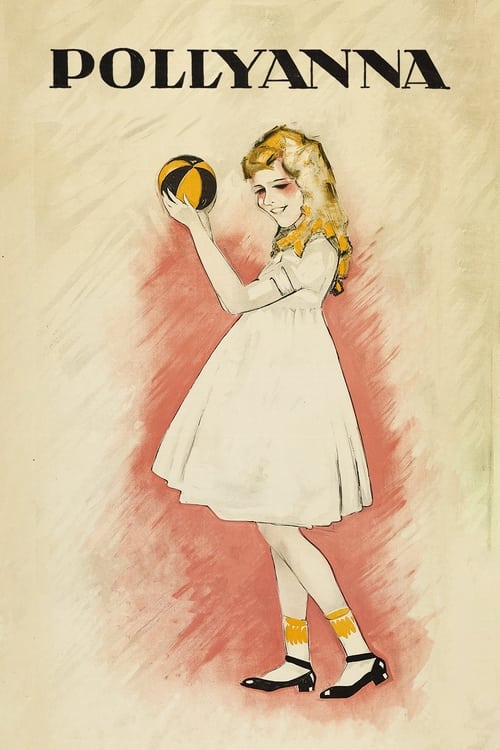
Pollyanna (1920) functions as a quintessential example of early 20th-century sentimentalist cinema. The narrative prioritizes reinforcing traditional social cohesion and moral optimism over exploring diverse identities. The film's creative direction emphasizes character-driven domesticity and the preservation of social norms within a small-town New England setting. It seeks to stabilize the community through the emotional labor of its female protagonist rather than disrupting established hierarchies. Ultimately, the work operates within the established social and cultural frameworks of its time. It focuses on restoring communal harmony through individual moral fortitude, maintaining a low progressive diversity score.
Category Breakdown
The film does not depict any LGBTQ+ identities or include queer subtext. It focuses solely on traditional family structures and platonic community bonds.
While the film centers on female characters, their influence is rooted in emotional labor rather than challenging patriarchal authority.
The production presents a homogeneous social environment with no racial or ethnic diversity, reflecting the era's tendency toward a singular Western community structure.
The narrative celebrates the restoration of a polite, morally upright community. The 'Glad Game' serves as a tool for social assimilation rather than a critique of systemic hardship.
There are no prominent depictions of visible or invisible disabilities. Character struggles are framed through psychological temperament rather than neurodivergence or physical impairment.
Present on Screen
Limited or Absent
Official Synopsis
When Pollyanna is orphaned, she's sent to live with her crotchety Aunt Polly. Pollyanna discovers that many of the people in her aunt's New England hometown are as ill-tempered as her aunt. But Pollyanna's incurable optimism - exemplified by her "glad game", in which she looks for the bright side of every situation - brings a change to the staid old community.
1934

1960

2003

1937
1935
1964
1951

2003
No reviews yet. Be the first to share your thoughts on this movie!
Use the rating form above to leave a star rating and optional review.