
Go Figure
2005
No user ratings available yet
Representation score: 2.4 out of 10
Representation Score
Fair
2005
GDirector
Tim Fywell
Runtime
98 minutes
Average Rating
No ratings yetNew Showbiz Analysis
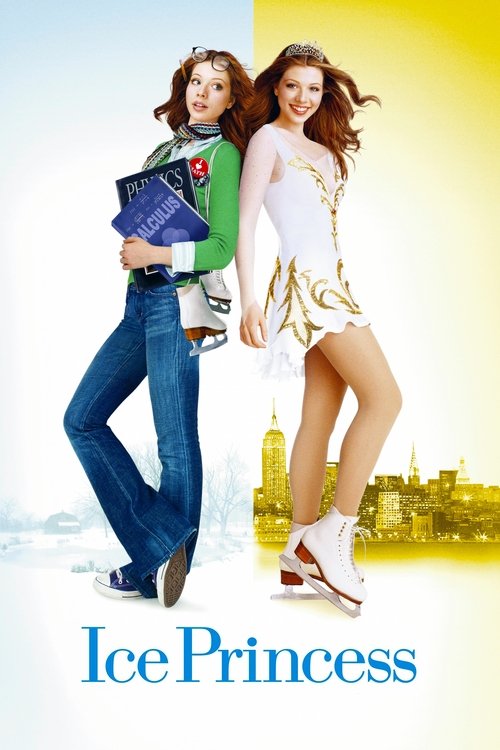
Ice Princess is a typical mid-2000s family drama that challenges traditional gender roles by featuring a female protagonist who transitions from hockey to figure skating. However, the film remains deeply conventional in its social architecture, relying on a homogeneous, white, middle-class demographic and adhering to standard Western meritocratic ideals. Despite providing the protagonist who play a significant role in driving the story, the film's narrow focus on a traditional demographic and its lack of engagement with diverse ethnic perspectives result in a highly limited representation of the world.
Category Breakdown
The film does not include any LGBTQ+ characters and focuses solely on heterosexual relationships. There is no exploration of non-straight relationships or identities.
The story challenges traditional gender roles by featuring a female protagonist who transitions from hockey to figure skating. While the main character demonstrates strong ability to act, supporting characters often adhere to conventional gender roles.
The cast is predominantly white and middle-class, with little representation of diverse ethnic backgrounds. The film does not feature significant color-blind casting.
The narrative emphasizes traditional Western values, focusing on individual achievement and family stability. It operates within a meritocratic framework without offering alternative cultural critiques.
The film touches on physical setbacks related to hockey but does not center on permanent disabilities or neurodivergence. It focuses on skill acquisition rather than lived disability experiences.
Present on Screen
Limited or Absent
Official Synopsis
With the help of her coach, her mom, and the boy who drives the Zamboni, nothing can stop Casey Carlyle from realizing her dream to be a champion figure skater.
2005

2021
1992

2014
1996

2006

2005

2015
No reviews yet. Be the first to share your thoughts on this movie!
Use the rating form above to leave a star rating and optional review.