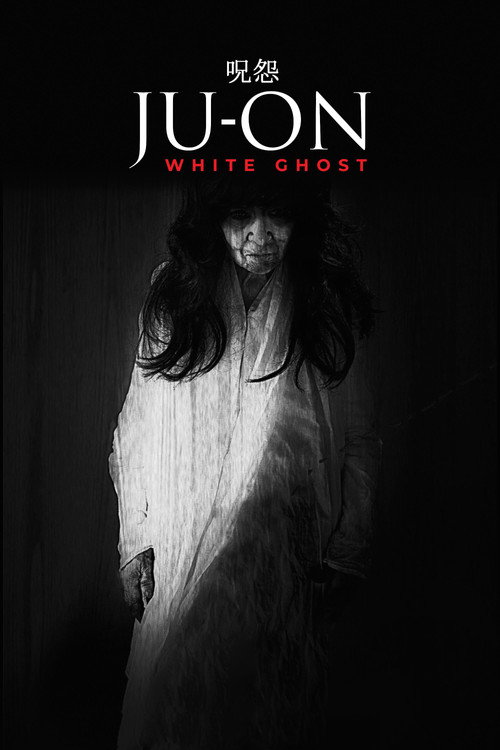
Ju-On: White Ghost
2009
No user ratings available yet
Representation score: 2.9 out of 10
Representation Score
Minimal
1969
Not RatedDirector
Yoshiyuki Kuroda, Kimiyoshi Yasuda
Runtime
78 minutes
Average Rating
No ratings yetNew Showbiz Analysis
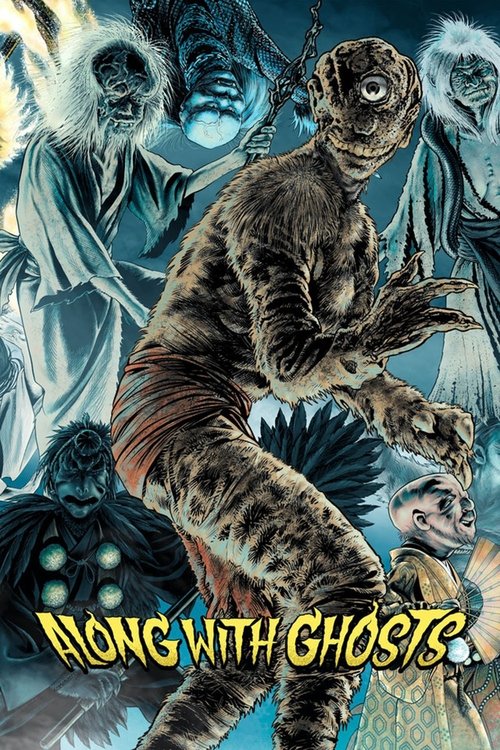
This 1969 Toho production primarily preserves Japanese mythological traditions. It prioritizes high-quality special effects and traditional storytelling over disrupting social or cultural norms. The film adheres to the social and gender expectations of its time. Its narrative structure follows a classic hero’s journey within a culturally specific, non-challenging framework. While the film is rich in its use of yokai and traditional folklore, it lacks modern multi-layered depth, reflecting the demographics and social structures of its feudal setting.
Category Breakdown
The film follows a traditional quest story focused on a young protagonist and supernatural beings. There are no non-traditional gender identities or critiques of the assumption that everyone is straight or cisgender.
The story centers around a young male protagonist who navigates a world of spirits. Although a young girl appears, the film does not challenge traditional gender hierarchies or give women roles of greater strength.
Set in feudal Japan, the film features a cast that is predominantly Japanese. The yokai are portrayed as mythical 'others' rather than tools for modern characters who reflect more than one aspect of diversity or casting actors from different backgrounds.
The narrative is deeply rooted in Shinto and Buddhist traditions. It uses sacred places and spirits as key elements of the plot, aligning with traditional folklore rather than moral relativism.
The characters seem to have standard physical abilities needed for a fantasy adventure. There is no indication of how visible or invisible disabilities are portrayed.
Present on Screen
Limited or Absent
Official Synopsis
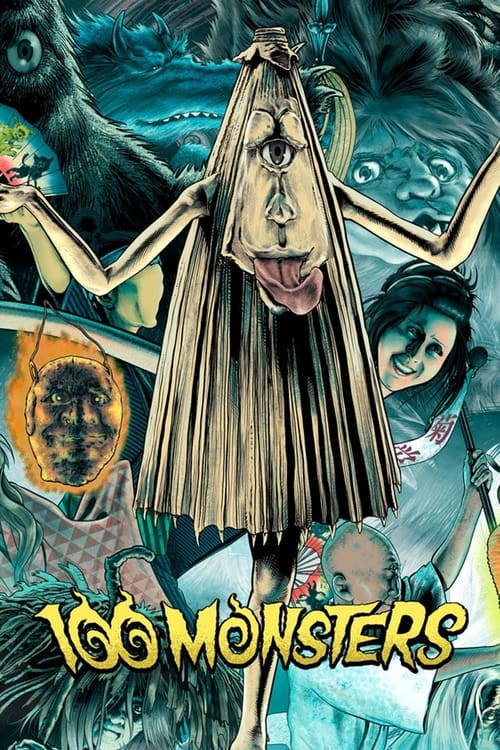
In feudal Japan, gangsters chase a young girl who might testify against their boss. When the gangsters murder the girl's grandfather on sacred ground, the door is opened for the Yokai Monsters to step in.
2009
1968
2009
1977
1966
2019
1972
1968
No reviews yet. Be the first to share your thoughts on this movie!
Use the rating form above to leave a star rating and optional review.