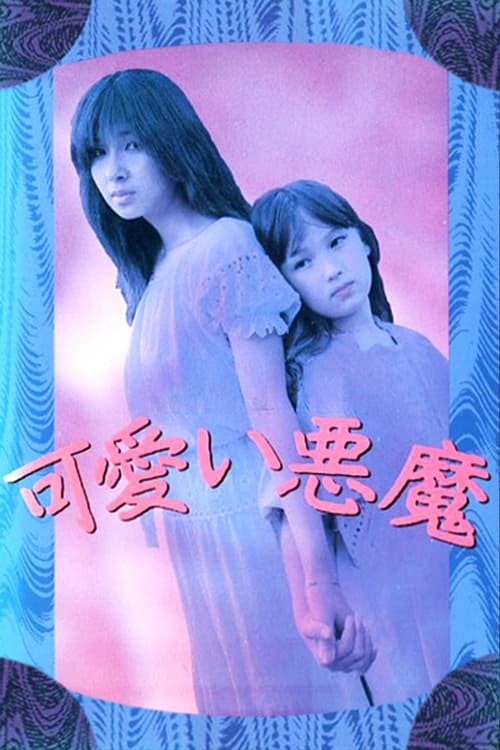
Cute Devil
1982
No user ratings available yet
Representation score: 7.4 out of 10
Representation Score
Good
1977
NRDirector
Nobuhiko Obayashi
Runtime
88 minutes
Average Rating
No ratings yetNew Showbiz Analysis
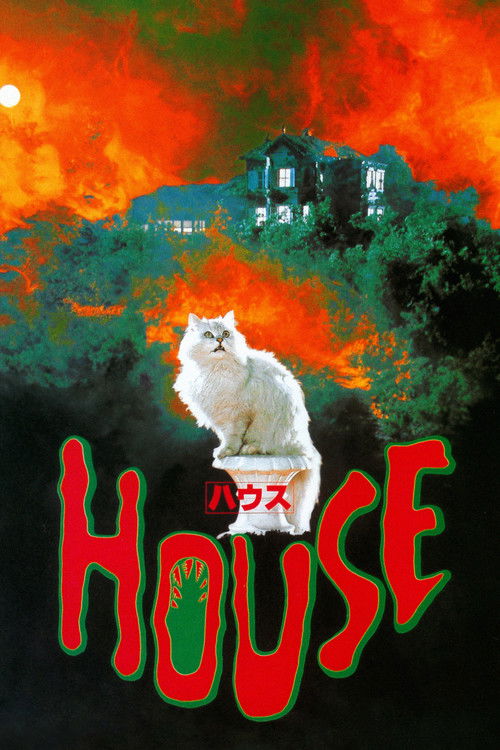
Nobuhiko Obayashi’s *House* is a landmark of postmodern cinema that disrupts conventional narrative structures through a surrealist, collage-like aesthetic. Its primary strength lies in its radical gender representation, which removes the traditional male gaze by centering an entirely female ensemble. However, the film is demographically limited. The homogeneous Japanese cast and lack of explicit LGBTQ+ identities result in lower scores for racial and queer representation. While the film explores themes of bodily autonomy and the breakdown of social order, these remain thematic abstractions rather than direct character-driven representations of disability or multi-layered identity.
Category Breakdown
The film centers on a group of schoolgirls but does not explicitly depict same-sex relationships. It presents a singular feminine experience without clear markers of non-straight identities.
By featuring an all-female cast, the film challenges traditional horror clichés. It replaces male leadership with a chaotic, shared feminine experience and collective vulnerability.
The production showcases a homogeneous Japanese cast within a specific cultural context. It lacks demographic diversity but provides a deep immersion into a non-Western domestic setting.
The narrative dismantles traditional stability by replacing organized institutions with nonsensical, predatory logic. It emphasizes subjective psychological experiences over established social or moral structures.
The film does not feature any characters with recognized physical or neurodivergent disabilities. Its surrealist elements serve as a thematic abstraction regarding the loss of bodily autonomy.
Present on Screen
Limited or Absent
Official Synopsis
Hoping to find a sense of connection to her late mother, Gorgeous takes a trip with her friends to visit her aunt's ancestral house in the countryside. The girls soon discover that there is more to the old house than meets the eye.
1982
2007

1988

1987
1981

2012
1988
1999
No reviews yet. Be the first to share your thoughts on this movie!
Use the rating form above to leave a star rating and optional review.