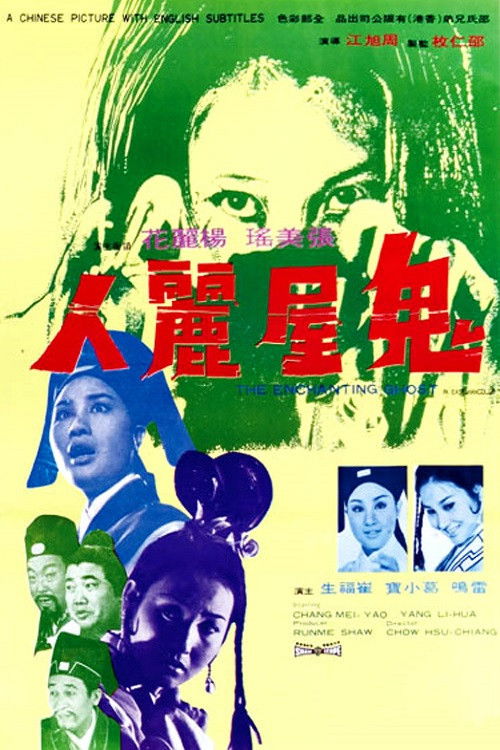
The Enchanting Ghost
1970
No user ratings available yet
Representation score: 2.9 out of 10
Representation Score
Limited
1972
Director
Chou Hsu-Chiang
Runtime
79 minutes
Average Rating
No ratings yetNew Showbiz Analysis
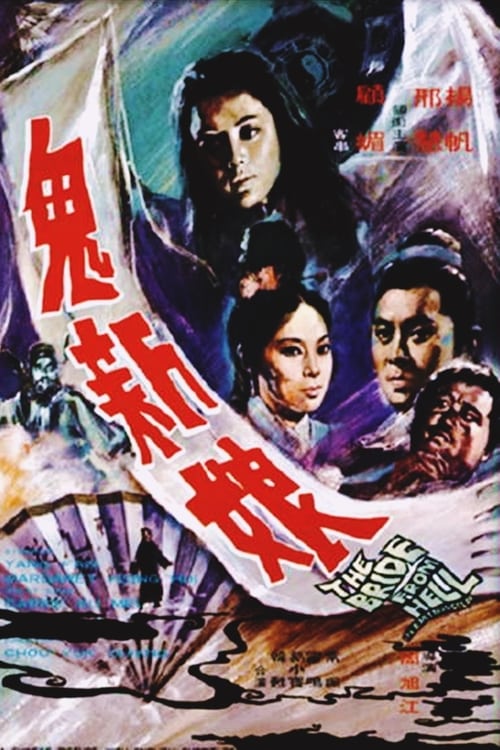
The Bride from Hell is a foundational Taiwanese folk horror film that emphasizes supernatural disruption over social progressivism. While it provides a valuable non-Western perspective on the genre, the narrative remains rooted in traditional hierarchies. The film’s strength lies in its cultural specificity and the way it uses a vengeful spirit to challenge domestic stability. However, it lacks intentional representation of diverse identities, focusing instead on conventional marital and familial clichés. Ultimately, the film operates as a traditional genre piece where the primary conflict is between the living and the supernatural, rather than a critique of social or identity-based structures.
Category Breakdown
The film follows strict conventions that assume everyone is straight and cisgender, with a forced marriage plotline. There is no indication of queer relationships or non-traditional gender identities.
Anu starts as an objectified figure but gains significant narrative importance. She challenges patriarchal stability through her supernatural powers rather than social subversion.
The film features a predominantly East Asian cast and setting. It offers a non-Western perspective on horror, yet the cast remains ethnically uniform.
The story engages with traditional spiritual beliefs and the concept of the afterlife. It examines the tension between personal desires and family obligations through folk superstitions.
There are no visible or hidden disabilities portrayed as central to the character arcs. The protagonist's supernatural glow is a genre aesthetic rather than a depiction of disability.
Present on Screen
Limited or Absent
Official Synopsis
Yunpeng and his servant stay at a country inn one dark evening to escape potential robbers and ghosts. But Yunpeng chances into something far more dangerous! He accidentally happens upon the comely Anu naked in bed, and to make up for his rudeness he has to marry her. Because of her beauty, the request is not too difficult to fulfill...until she is introduced to his aunts and uncles, who notice her ghastly green glow and deduce that she's a spirit from the netherworld. But there's something even darker about her appearance, and it may be revenge on his in-laws.
1970
1968
1993
1967
1975
1992
1973
1991
No reviews yet. Be the first to share your thoughts on this movie!
Use the rating form above to leave a star rating and optional review.