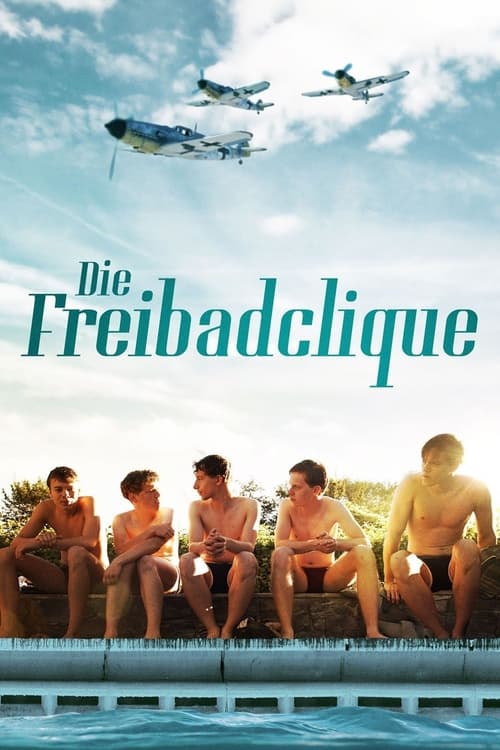
Summer of '44 - The Lost Generation
2017
No user ratings available yet
Diversity score: 5.0 out of 10
2017
PG-13Director
Emmanuel Finkiel
Runtime
126 minutes
Average Rating
No ratings yetSynopsis
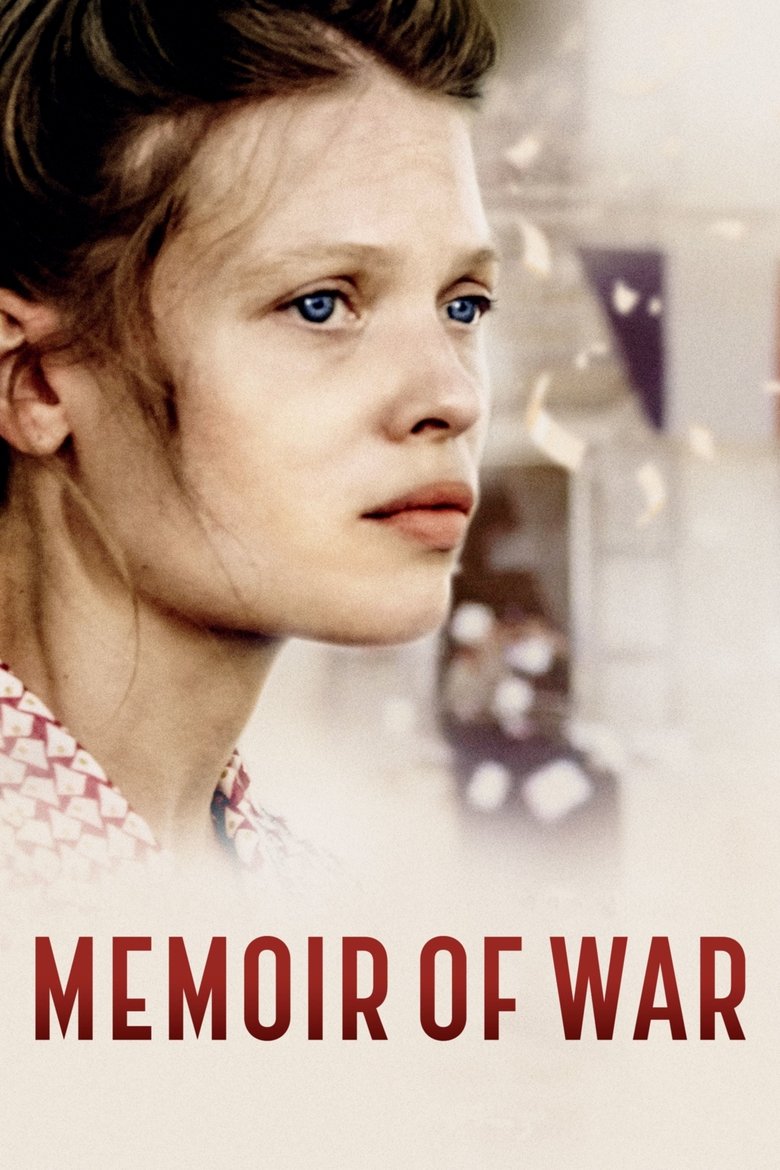
In the last days of the Nazi-occupied France, writer Marguerite Duras awaits the return of her husband, Robert Antelme, arrested for being a Resistance fighter and then deported, while she maintains a tense relationship with her ambiguous lover and a dangerous game with a French collaborationist. Even when the Liberation arrives, she must still endure the unbearable pain of waiting.
Overall Score
Good
Category Breakdown
LGBTQ+ Representation
The film explores emotional fluidity through Marguerite Duras’s ambiguous relationship with a lover. This connection disrupts heteronormative expectations by prioritizing complex intimacy over traditional domestic stability.
Gender Representation
Duras is granted immense agency, placing a woman's intellectual and psychological endurance at the center of the conflict. Male characters primarily serve as catalysts for her internal development.
Racial & Ethnic Diversity
The narrative reflects the historical homogeneity of Nazi-occupied France with a predominantly white cast. It touches on systemic oppression through the lens of the Resistance movement.
Religious & Cultural Diversity
The film challenges Western tropes by portraying the Liberation as a period of continued pain rather than triumph. It explores moral relativism and the dissolution of traditional state structures.
Disability Representation
There is no evidence of characters navigating visible or invisible disabilities as a central narrative component.
Strengths
Areas for Improvement
AI Analysis
Memoir of War is a sophisticated psychological drama that subverts the typical tropes of wartime cinema. It moves away from heroic, redemptive conclusions to focus on the internal, intellectual struggle of its female protagonist. The film excels in its gender representation, centering a woman's agency amidst a global conflict. It also offers a nuanced look at human connection through non-traditional relationships that exist outside of standard marital structures. However, the film is limited by its historical setting, which results in a lack of racial diversity. The focus remains tightly bound to the specific social landscape of occupied France.
2017

2015

2017
2013
1968
2008
2016
1980
1979

2012
2018
2019
No reviews yet. Be the first to share your thoughts on this movie!
Use the rating form above to leave a star rating and optional review.