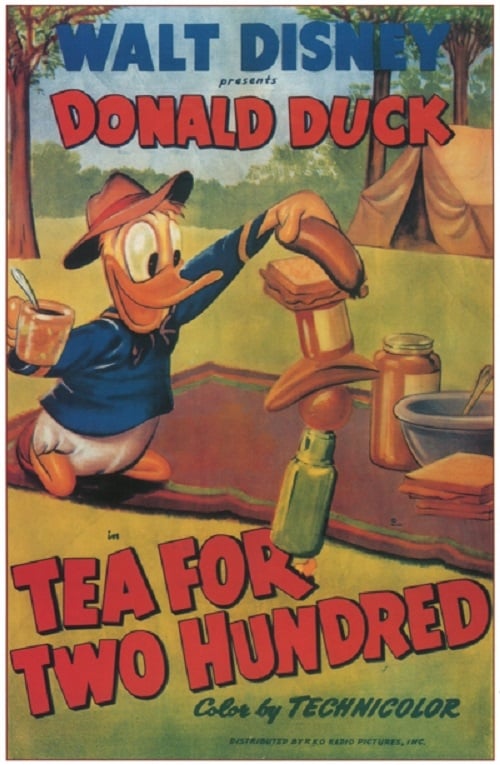
Tea for Two Hundred
1948
No user ratings available yet
Diversity score: 1.3 out of 10
1951
NRDirector
Jack Hannah
Runtime
7 minutes
Average Rating
No ratings yetSynopsis
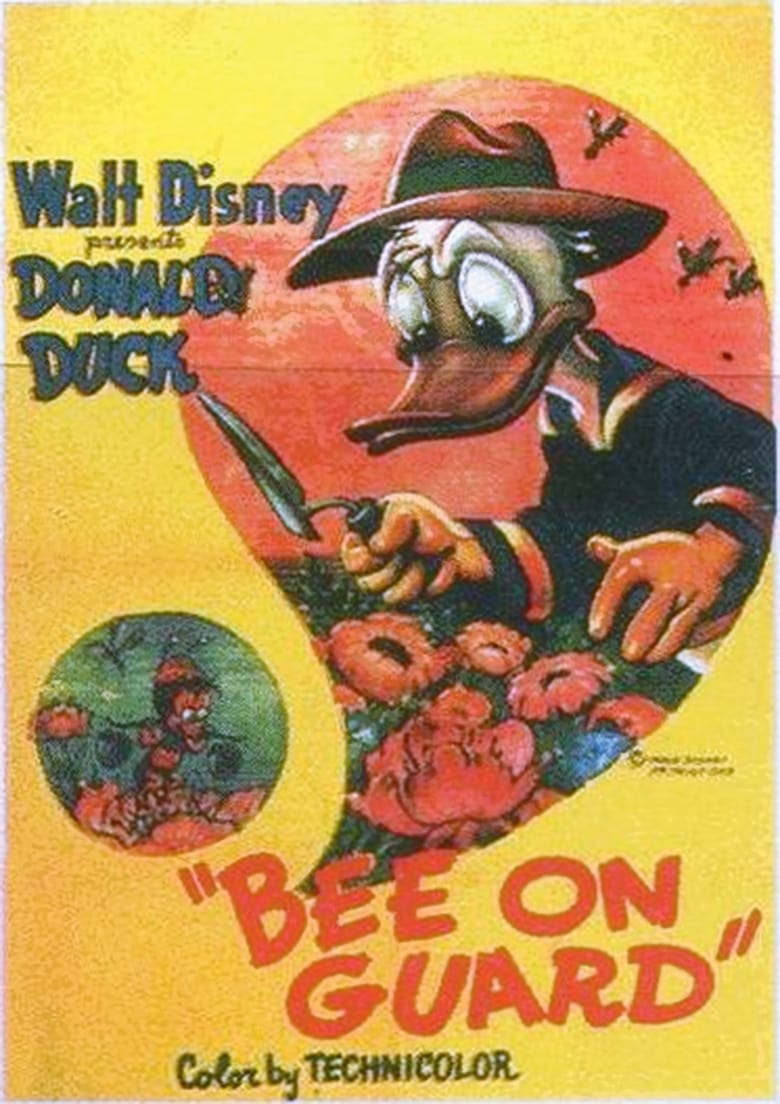
Gardener Donald spots bees in his garden and follows them back to the hive in search of honey. The bee guarding the hive won't let him in, so Donald disguises himself as a bee.
Overall Score
Minimal
Category Breakdown
LGBTQ+ Representation
The film lacks any depiction of non-heteronormative identities or queer-coded character arcs. The narrative focuses entirely on the physical interaction between the protagonist and the hive.
Gender Representation
The cast features anthropomorphic animals and a singular male protagonist. The story does not engage with gender hierarchies or attempt to subvert traditional masculine or feminine tropes.
Racial & Ethnic Diversity
The cast is composed of anthropomorphic animals and a singular human-like figure. There is no presence of racial or ethnic diversity or non-human species used as metaphors for human identities.
Religious & Cultural Diversity
The film adheres to traditional 1950s comedic structures. It does not engage with systemic critiques or challenge Western institutions, focusing instead on a standard pursuit of resources.
Disability Representation
There are no visible or invisible disabilities portrayed within the characters. The physical comedy relies on standard slapstick tropes rather than the agency of disabled characters.
Strengths
Areas for Improvement
AI Analysis
Bee On Guard is a mid-century animated short that prioritizes slapstick and physical gag-work over social commentary. The narrative architecture centers on a resource-driven conflict between Donald Duck and a defensive bee, utilizing classic deception and territorial defense. The film functions within the traditional comedic frameworks of the early 1950s. It lacks intentionality regarding the disruption of social hierarchies, instead reinforcing the conventional character archetypes and production standards of its era. Because the story focuses on universalized, non-specific characters in a naturalistic garden setting, it lacks intersectional depth or any engagement with identity-based narratives.
1948
1953
1953
1955
1950
1950
1948
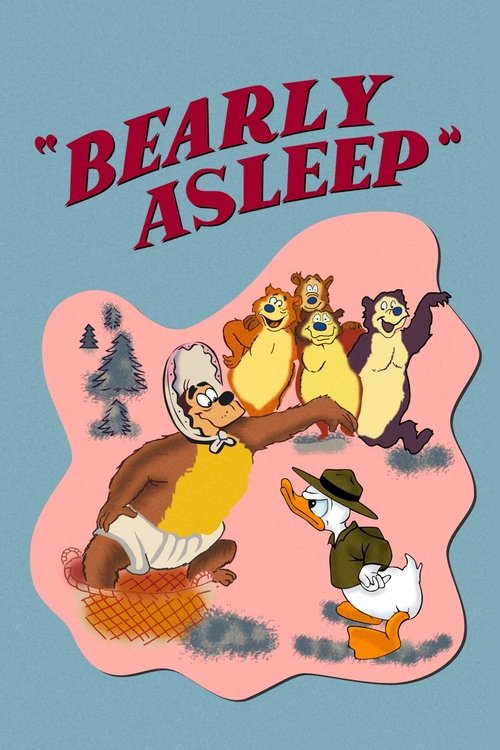
1955
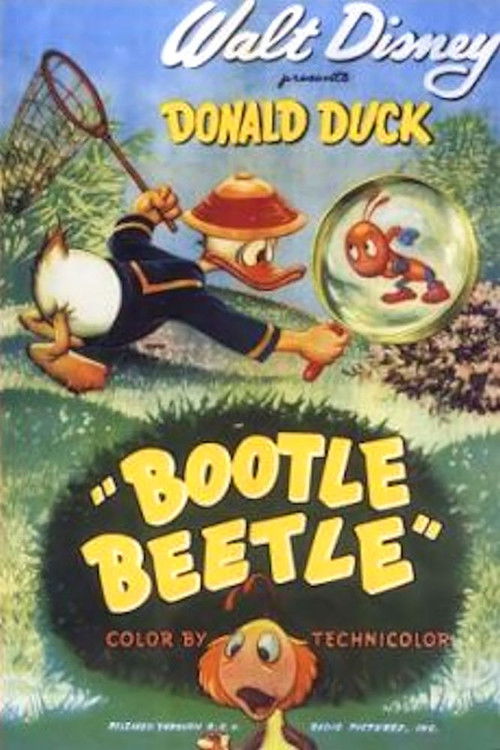
1947
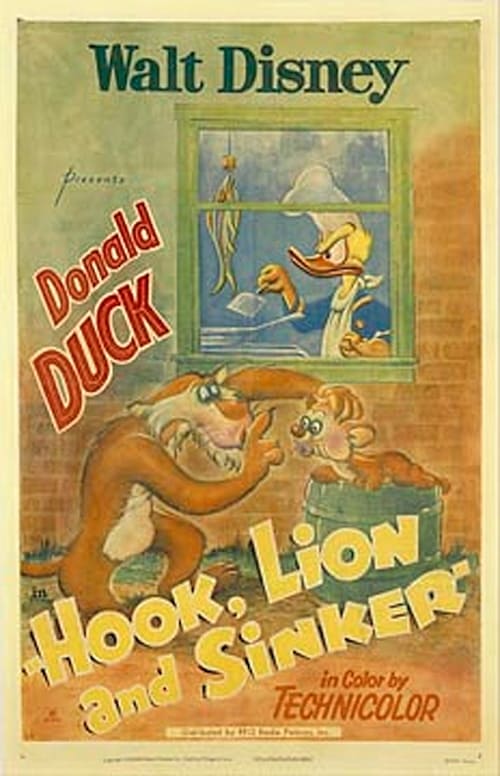
1950

1951
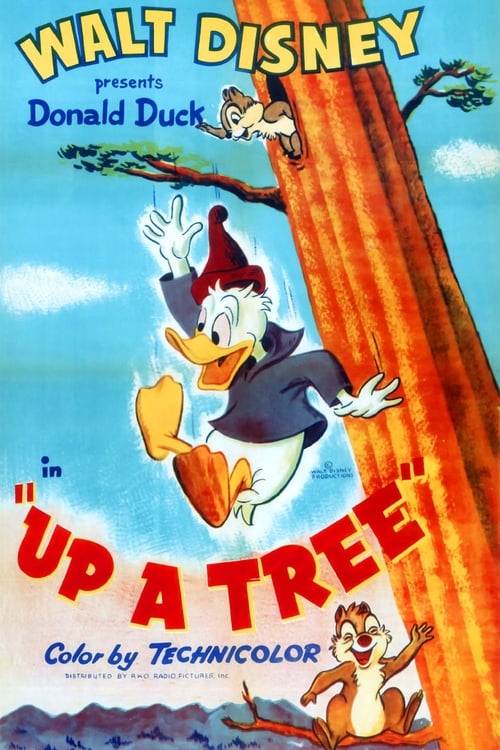
1955
No reviews yet. Be the first to share your thoughts on this movie!
Use the rating form above to leave a star rating and optional review.