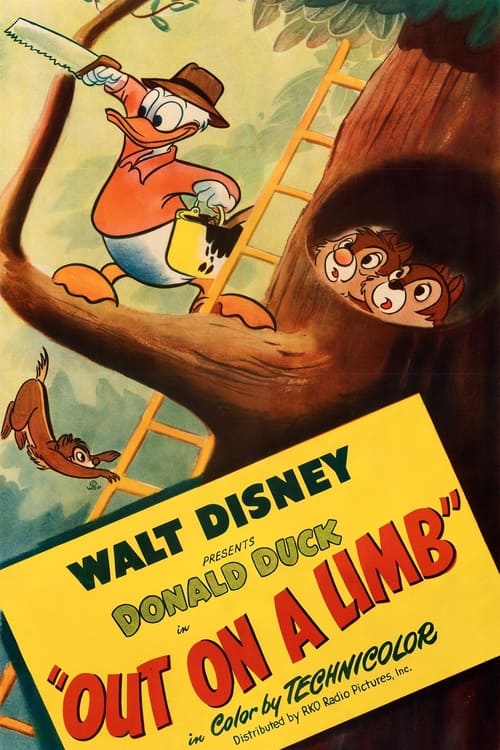
Out on a Limb
1950
No user ratings available yet
Representation score: 0.3 out of 10
Representation Score
Minimal
1955
NRDirector
Jack Hannah
Runtime
7 minutes
Average Rating
No ratings yetNew Showbiz Analysis
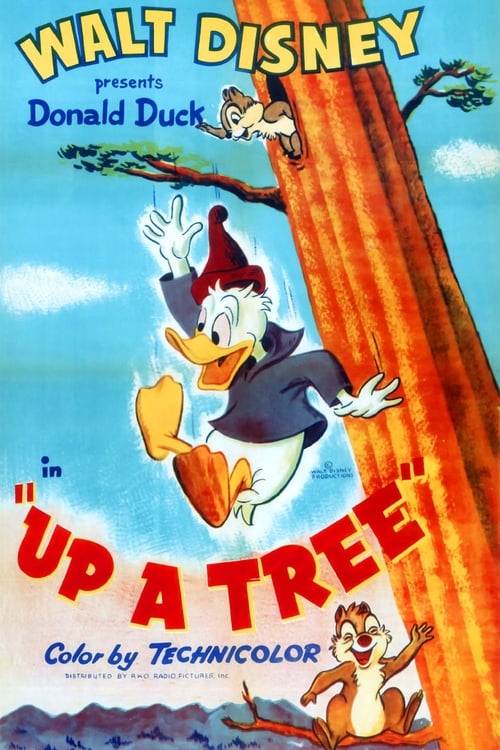
Up a Tree is a quintessential mid-century animated short that prioritizes escapist slapstick over narrative complexity. The film operates within a highly controlled, homogeneous environment where character actions are tied strictly to physical comedy and territorial defense. The story follows a traditional conflict-resolution structure centered on a dispute between Donald Duck and Chip 'n Dale. While it successfully executes its intended genre of short-form comedic conflict, it does not attempt to challenge social hierarchies or incorporate diverse identity-based perspectives. Ultimately, the film reflects the conventional storytelling constraints of its era, focusing on binary morality and immediate physical stakes.
Category Breakdown
The film does not depict any LGBTQ+ identities or include queer subtext. Character interactions revolve around territorial disputes and slapstick humor.
The story focuses on a male protagonist and male-coded chipmunks. There are no female characters, creating a gender-homogeneous environment.
As an anthropomorphic animal animation, the film does not address human racial or ethnic identities. The cast remains homogeneous within its species-based framework.
The story adheres to traditional Western comedic structures from the 1950s. It emphasizes physical struggle and situational irony without engaging in broader cultural critiques.
No characters are depicted with visible or invisible disabilities. Physical comedy relies on standard slapstick clichés of injury and recovery.
Present on Screen
Limited or Absent
Official Synopsis
Donald's playing lumberjack, but the targeted tree just happens to be the home of Chip 'n Dale. They give Donald plenty of trouble cutting down the tree, but eventually he succeeds. The wily chipmunks, though, manage to get their revenge on the homewrecker.
1950

1951
1947
1950
1949
1954
1948
1950
No reviews yet. Be the first to share your thoughts on this movie!
Use the rating form above to leave a star rating and optional review.