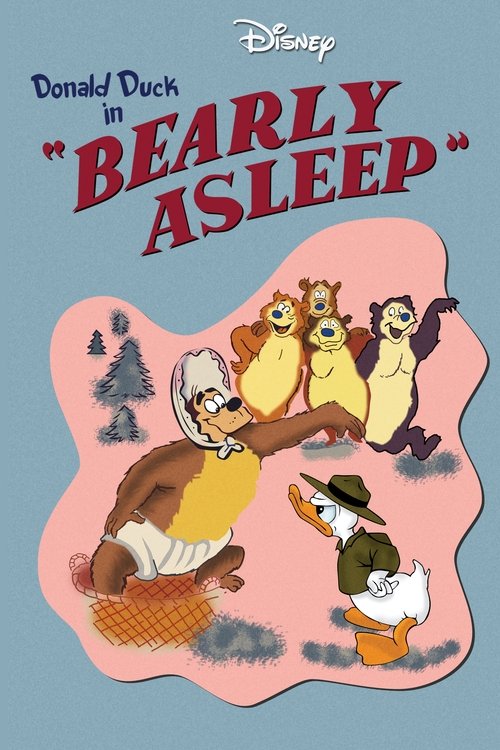
Bearly Asleep
1955
No user ratings available yet
Representation score: 0.3 out of 10
Representation Score
Minimal
1955
NRDirector
Jack Hannah
Runtime
7 minutes
Average Rating
No ratings yetNew Showbiz Analysis
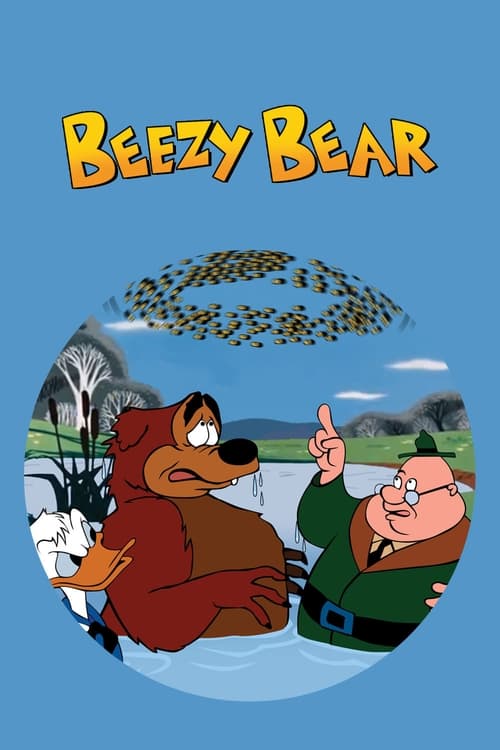
Beezy Bear is a quintessential mid-century animated short that adheres to the comedic clichés and social hierarchies of its era. The narrative follows a standard 'man vs. nature' conflict, focusing on the disruption of order by an animal protagonist. Produced in 1955, the film lacks the intentionality required for progressive narrative disruption. It functions as a traditional slapstick piece that reinforces conventional authority and property rights rather than exploring diverse identities. Ultimately, the film serves as a snapshot of a period where animation relied on singular, non-diverse demographics and established archetypes to drive its comedic engine.
Category Breakdown
The film does not depict any non-straight or non-cisgender identities or same-sex relationships. The story focuses entirely on the conflict between a beekeeper and a bear.
The story centers on male-coded characters such as Donald and Ranger Woodlore. There is no evidence of female-driven roles or challenges to traditional gender hierarchies.
The setting reflects a homogeneous demographic typical of mid-century Western animation. The narrative lacks a diverse cast or varied ethnic representation.
The plot reinforces traditional notions of property rights and authority. It prioritizes the maintenance of established social and natural hierarchies through the enforcement of boundaries.
There is no indication of characters possessing visible or invisible disabilities. The film does not feature neurodivergent representation.
Present on Screen
Limited or Absent
Official Synopsis
Beekeeper Donald catches Humphrey the bear raiding his hives. He complains to Ranger Woodlore, who assembles his bears and lectures them. Donald puts up a barbed wire fence, which slows Humphrey down a bit, but doesn't stop him.
1955

1951
1950
1955
1954
1947
1949
1949
No reviews yet. Be the first to share your thoughts on this movie!
Use the rating form above to leave a star rating and optional review.