Little Blue Blackbird
1938
No user ratings available yet
Representation score: 3.4 out of 10
Representation Score
Minimal
1933
NRDirector
David Hand
Runtime
7 minutes
Average Rating
No ratings yetNew Showbiz Analysis
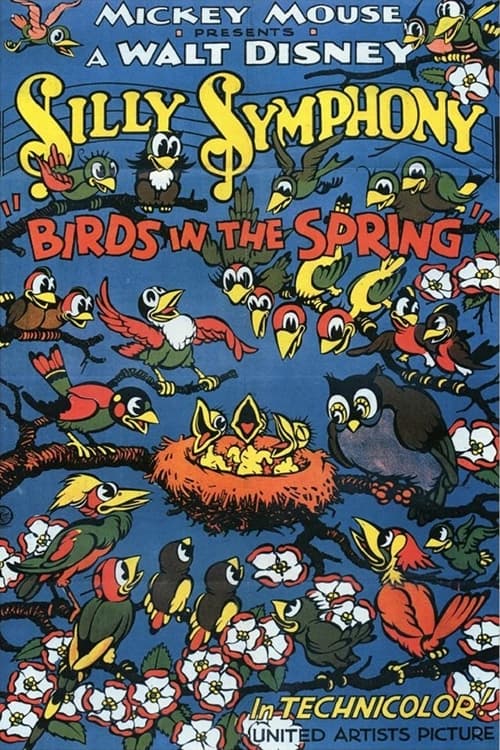
Birds in the Spring is a traditional nature-based animation that follows a typical biological cycle. The story centers on the survival of a hatchling navigating a natural ecosystem, emphasizing instinct and environmental interaction over social dynamics. The film adheres to the storytelling structures of the early 1930s, focusing on character-driven animal animation without engaging in human sociological identities or social commentary.
Category Breakdown
The film focuses on avian biological processes and survival. There are no depictions of non-traditional gender identities or same-sex relationships.
The movie portrays a traditional family structure focused on raising offspring. It adheres to standard biological roles without challenging traditional gender hierarchies.
Since the characters are animals, issues related to race or ethnicity do not apply in a human sociological context. The story does not use species as metaphors for identity.
The film emphasizes the natural order and the cyclical nature of life. It lacks engagement with Western institutions or cultural critique.
The story frames a hatchling's physical struggles as part of the natural survival process. There is no nuanced exploration of disability or neurodivergence.
Present on Screen
Limited or Absent
Official Synopsis
Two birds rejoice over the hatching of their three eggs; as they grow, the hatchlings are taught to sing and fly. One falls from the nest and has adventures with a rattlesnake and a beehive before finding his way home.
1938
1936
1934
1939
1938
1948
1939
1944
No reviews yet. Be the first to share your thoughts on this movie!
Use the rating form above to leave a star rating and optional review.