Work in Progress
2001
No user ratings available yet
Diversity score: 5.1 out of 10
2016
Director
Mantas Kvedaravičius
Runtime
96 minutes
Average Rating
No ratings yetSynopsis
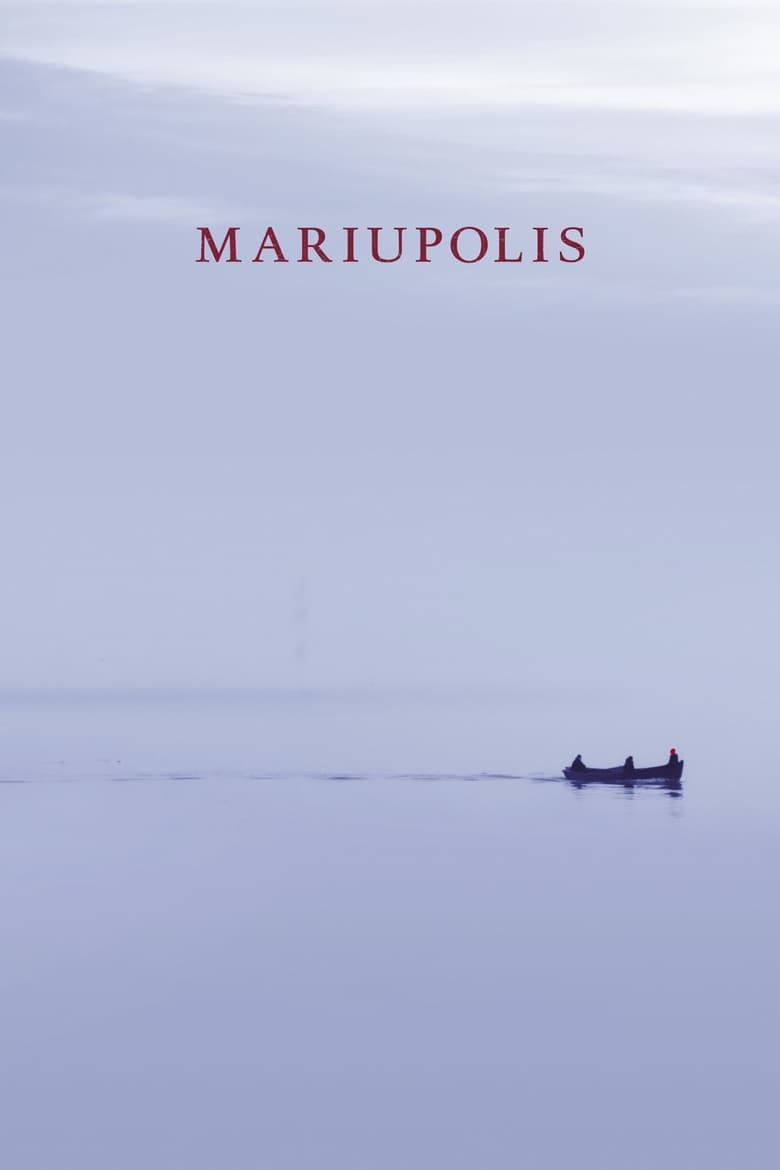
The city of Mariupolis is by the Azov sea. It is also on the river Kalmius. Most of the city’s residents, half a million according to the last census, are working for the steel factory and do fishing, for leisure or food, in between shifts. The orthodox church towers above the city and its newly build bronze domes are sitting next to it, waiting to be donned. A tent near by is sheltering a crying icon, which receives a steady flow of visitors.
Overall Score
Fair
Category Breakdown
LGBTQ+ Representation
The film focuses on the industrial and religious landscape of a specific geographic location. There is no explicit evidence of LGBTQ+ characters or narratives within this communal setting.
Gender Representation
The documentary captures a landscape shaped by steel factory labor and fishing. It reflects the existing social equilibrium without actively subverting traditional gender hierarchies or masculinity.
Racial & Ethnic Diversity
The film provides an ethnographic look at a specific regional population in Ukraine. While the demographic appears largely homogeneous, it offers depth to a specific cultural group.
Religious & Cultural Diversity
Religious tradition serves as a central pillar of community life, evidenced by the Orthodox Church and a crying icon. The film depicts a deeply traditionalist social structure.
Disability Representation
There is no specific information regarding the depiction of visible or invisible disabilities in this work.
Strengths
Areas for Improvement
AI Analysis
Mariupolis serves as a sensory, observational study of a community defined by its industrial and religious landmarks. It prioritizes the preservation of a specific sense of place over the deconstruction of social norms. The film functions as a cinematic portrait of a socio-economic ecosystem. It does not appear designed to disrupt traditional hierarchies or promote identity-based political frameworks, focusing instead on established realities. While the documentary offers ethnographic depth to a specific Ukrainian population, it lacks intersectional or multi-ethnic casting. The narrative remains anchored in traditionalist structures and local industry.
2001
2009
1990

2013
2020
1964
2016
2007

2019
2016

2014
2015
No reviews yet. Be the first to share your thoughts on this movie!
Use the rating form above to leave a star rating and optional review.