Ennio
2022
No user ratings available yet
Diversity score: 2.8 out of 10
1969
Director
Otar Ioseliani
Runtime
21 minutes
Average Rating
No ratings yetSynopsis
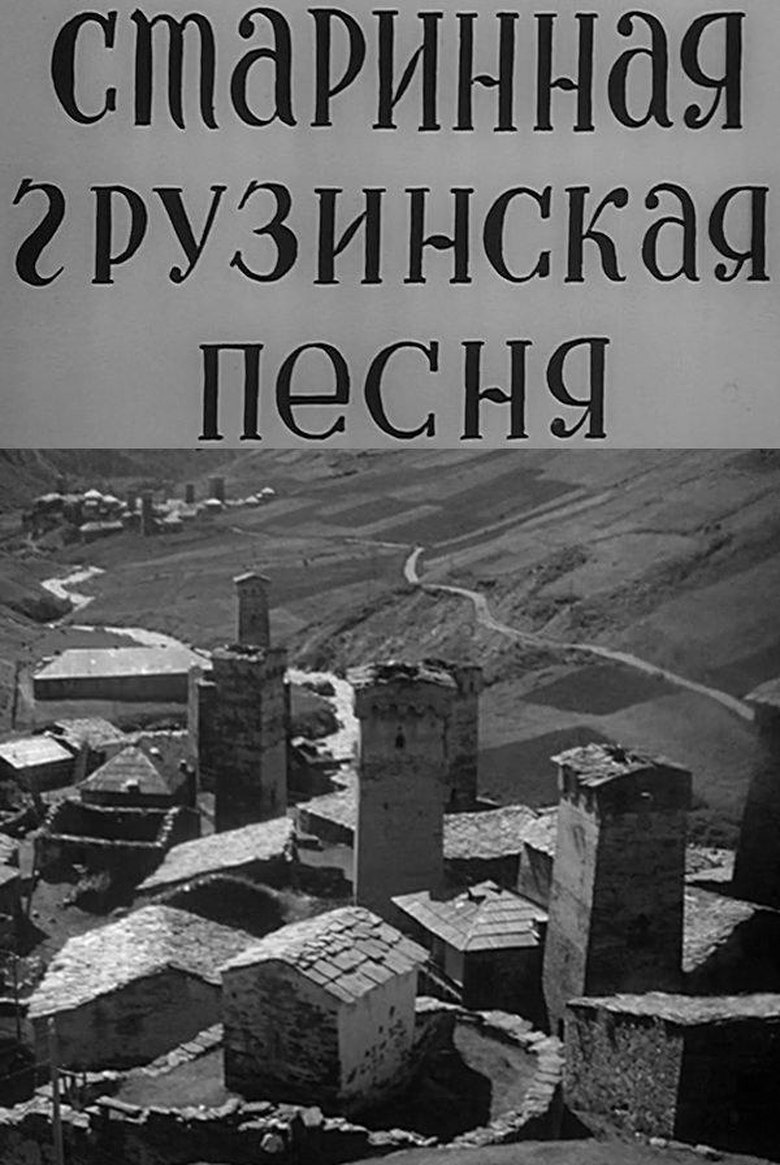
Under the premise of documenting for the sake of preservation the various forms of Georgian religious chanting, a distinct kind of sonorous psalmody passed over from generation to generation, what Otar Iosseliani captures in reality is the snapshot of a not-so-distant past that coexists with the world we might know yet transports us to what used to be.
Overall Score
Good
Category Breakdown
LGBTQ+ Representation
The film lacks explicit evidence of LGBTQ+ characters or narratives. It focuses on communal religious rituals that historically center on traditional social structures.
Gender Representation
The documentary captures collective musical voices rather than individual gendered agency. It reflects the social realities of the era without actively subverting or reinforcing specific hierarchies.
Racial & Ethnic Diversity
This work serves as a vital act of cultural preservation. It centers a non-Western ethnic identity, disrupting the Western-centric cinematic gaze of the 1960s.
Religious & Cultural Diversity
The film challenges cultural dominance by centering localized Georgian musical traditions. It functions as a study of heritage and identity against the forces of globalized modernity.
Disability Representation
There is no evidence regarding the portrayal of physical or neurodivergent disabilities within the film.
Strengths
Areas for Improvement
AI Analysis
Otar Iosseliani’s documentary is a powerful tool for ethnic and cultural preservation. By documenting Georgian religious chanting, the film provides significant visibility to a non-Western heritage that was often sidelined by mainstream 1960s cinema. However, the film operates within a traditional framework. It does not engage with modern concepts of gender identity or LGBTQ+ representation, focusing instead on communal, historical rituals. The lack of individual agency or diverse identity narratives keeps the score from being higher. Ultimately, the film's strength lies in its ethnographic truth. It succeeds as a counter-narrative to Western-centric media by prioritizing the preservation of a specific linguistic and musical history.
No reviews yet. Be the first to share your thoughts on this movie!
Use the rating form above to leave a star rating and optional review.