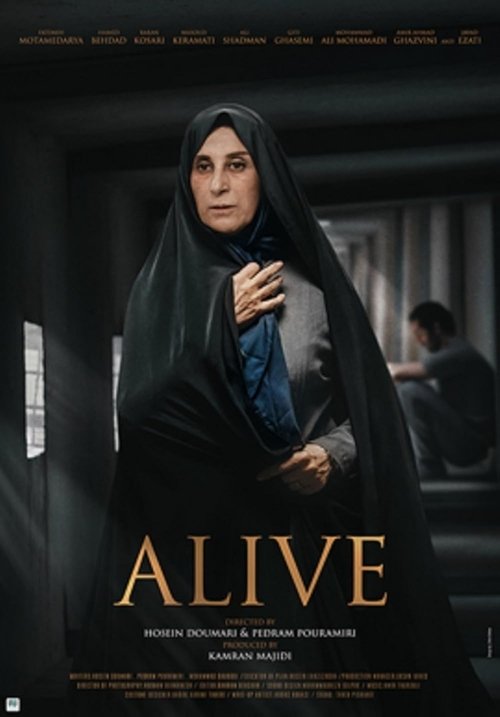
Alive
2019
No user ratings available yet
Representation score: 4.6 out of 10
Representation Score
Excellent
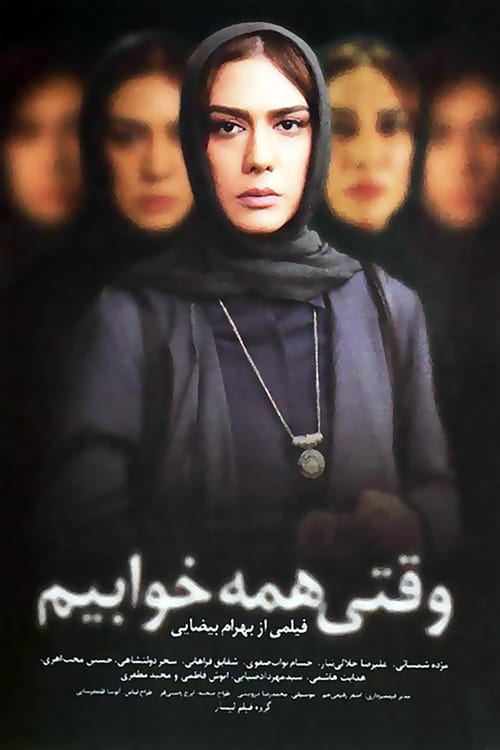
2009
Director
Bahram Beyzai
Runtime
107 minutes
Average Rating
No ratings yetNew Showbiz Analysis
Bahram Beyzai’s drama succeeds by centering a female perspective within a systemic conflict. The film uses a non-Western framework to critique the rigidity of institutional justice, avoiding common clichés of female victimhood. However, the film lacks explicit representation in several identity categories. While it offers deep psychological complexity, it does not feature prominent LGBTQ+ or diverse ethnic subplots.
Category Breakdown
The story focuses on a traditional domestic tragedy involving a widow. There are no explicit LGBTQ+ characters or non-straight relationships in the film.
Chakameh serves as a strong female protagonist who navigates legal and social pressures. Her journey emphasizes her active role in negotiating her situation rather than passive grief.
As an Iranian production, the film provides a valuable non-Western perspective. It highlights Middle Eastern identities and explores themes of justice from a cultural standpoint.
The film critiques institutional legal systems by examining situational ethics. It challenges the binary of victim and offender through complex, subjective morality.
Characters deal with profound psychological trauma and grief. These depictions offer a nuanced look at invisible mental health challenges.
Present on Screen
Limited or Absent
Official Synopsis
Chakameh, who has lost both her husband and child in a car accident, meets a man recently released from prison. While she's under pressure from lawyers to compromise with the arrested driver, the ex-convict tells her his story of his arrest and subsequent freedom.
2019

1997
2004
1997

2020

2009
1992

2002
No reviews yet. Be the first to share your thoughts on this movie!
Use the rating form above to leave a star rating and optional review.