Panorama of the Grand Canal Taken from a Boat
1896
No user ratings available yet
Representation score: 0.6 out of 10

Representation Score
Limited
1900
Director
Gabriel Veyre
Runtime
1 minutes
Average Rating
No ratings yetNew Showbiz Analysis
This documentary short functions primarily as an early ethnographic panorama. Because it is a non-narrative, observational piece, it lacks the character arcs and dialogue necessary for deep social representation. The film's value lies in its historical documentation of a South Asian community. While it provides visibility to non-Western subjects, it remains a product of the colonial era without modern multi-layered intent. Ultimately, the work is a visual document rather than intentional social commentary. The lack of character depth and involvement limits its ability to address complex identity dynamics.
Category Breakdown
The film does not depict any LGBTQ+ identities or non-cisgender gender expressions. As a silent, observational panorama, it lacks the narrative structure needed for such representation.
The footage offers a glimpse into the village's social fabric through local inhabitants. However, the absence of dialogue and character involvement prevents a meaningful evaluation of gender hierarchies or roles.
The film serves as a significant historical record of South Asian subjects. By centering on a non-Western population, it challenges the Eurocentric perspective common in contemporary Western media.
This colonial-era ethnographic study functions as a passive visual record. It lacks subjective morality or critical analysis, reflecting the limitations of the medium during its infancy.
There are no specific depictions of individuals with visible or invisible disabilities. No such subjects appear to drive a narrative or serve as a plot device.
Present on Screen
Limited or Absent
Official Synopsis
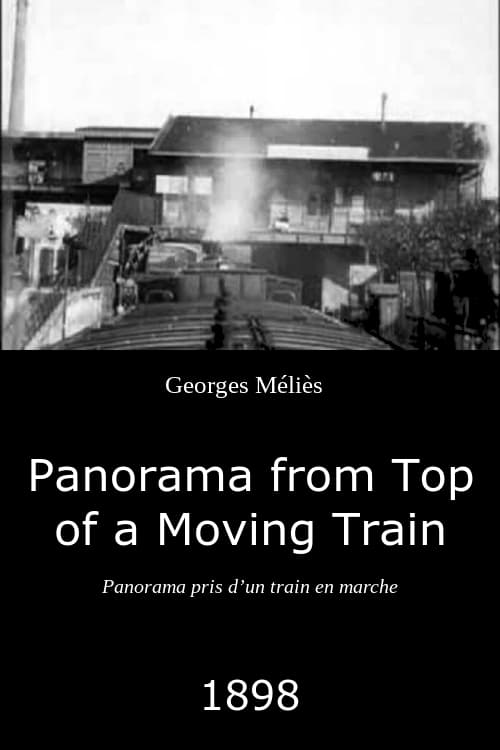
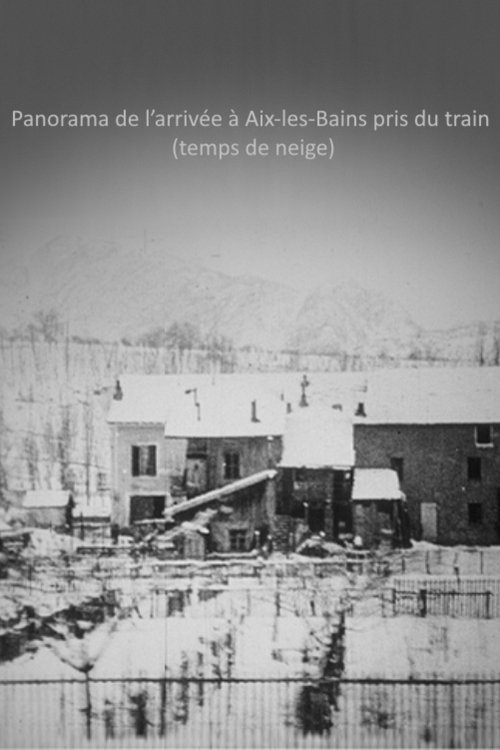
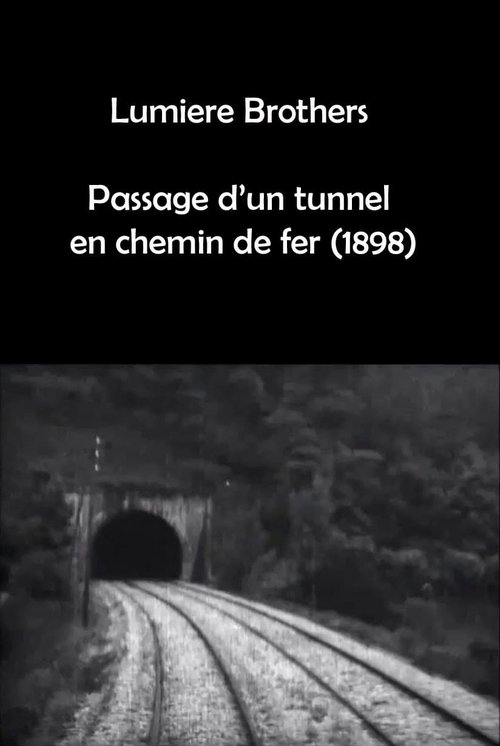
The film is a panorama shot-scene lasting just under a minute. The panorama film, as coined by Lumière, is a moving-camera shot--usually accomplished by placing the camera on a moving transport, such as a boat or train.
1896

1896
1898
1896
1898
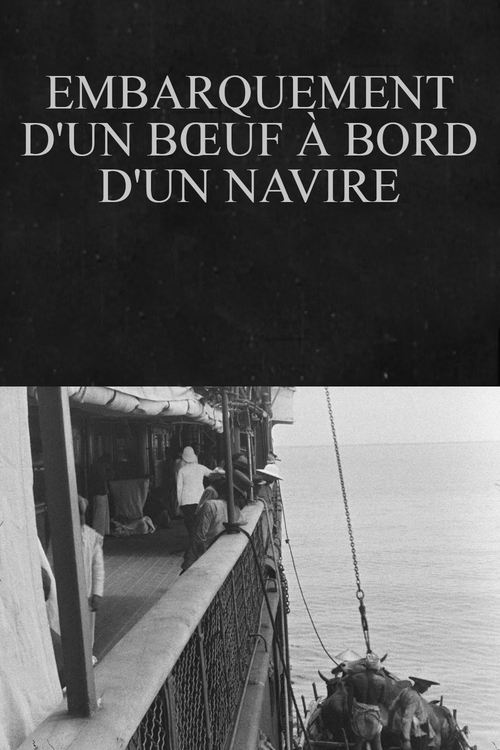
1899

1897
1897
No reviews yet. Be the first to share your thoughts on this movie!
Use the rating form above to leave a star rating and optional review.