
Heaven and Earth
1962
No user ratings available yet
Representation score: 1.3 out of 10

Representation Score
Limited
1952
Director
Fernando de Fuentes
Runtime
114 minutes
Average Rating
No ratings yetNew Showbiz Analysis
Los hijos de María Morales is a quintessential product of the Golden Age of Mexican cinema, relying heavily on established genre clichés. The story follows two womanizing brothers whose rowdy lifestyles are eventually tempered by female leads. While the film provides women with a specific type of ability to act through the 'taming' of male protagonists, this dynamic ultimately upholds traditional social structures. The narrative structure favors restorative social order over any meaningful disruption of gender or power hierarchies. Ultimately, the film functions as a traditional romantic comedy. It prioritizes conventional courtship and masculine archetypes, offering a standard representation of the era's dominant cultural and social norms.
Category Breakdown
The film adheres to a strict focus on heterosexual relationships, with no depiction of non-traditional gender identities. The plot revolves around traditional romantic pursuits and does not explore any non-cisgender identities.
Female characters play a significant role in the story by taming the rowdy male protagonists. However, this reinforces traditional gender roles rather than challenging existing power structures.
The film reflects the dominant cultural identity of the Golden Age of Mexican cinema. It lacks specific details about diverse ethnic subgroups within the Mexican context, focusing primarily on the mainstream cultural perspective.
The story emphasizes conventional morality and social cohesion through courtship and domestic activities. It prioritizes traditional social dynamics like drinking and family life over any critique of established institutions.
There is no mention of characters with visible or invisible disabilities in the narrative.
Present on Screen
Limited or Absent
Official Synopsis
Two brothers known in town for their womanizing, drinking and rowdiness meet their matches when two girls who like them decide to tame the two machos.
1962
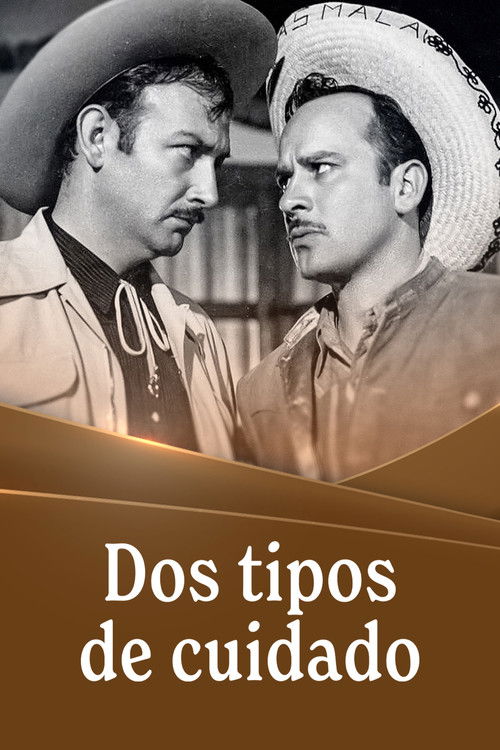
1953

2012
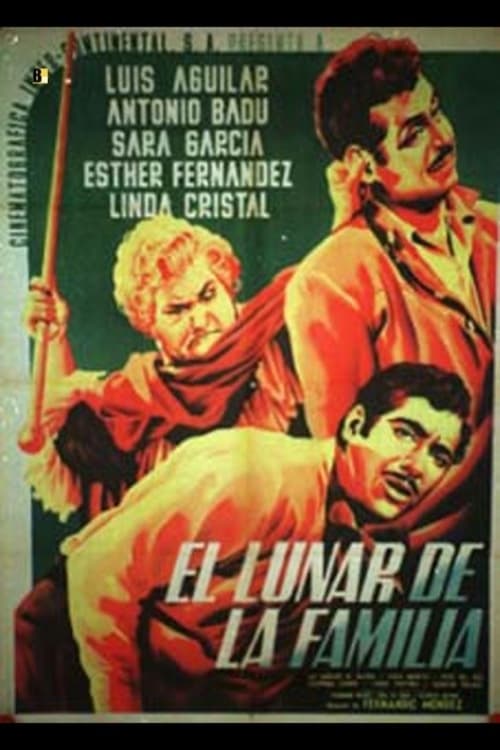
1953
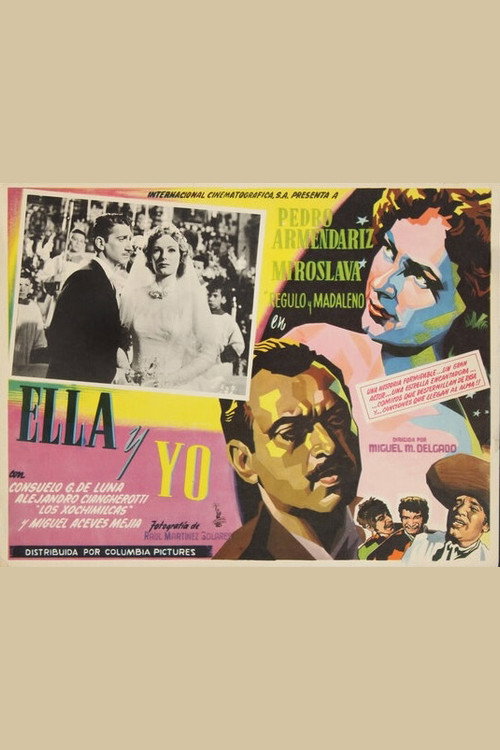
1951
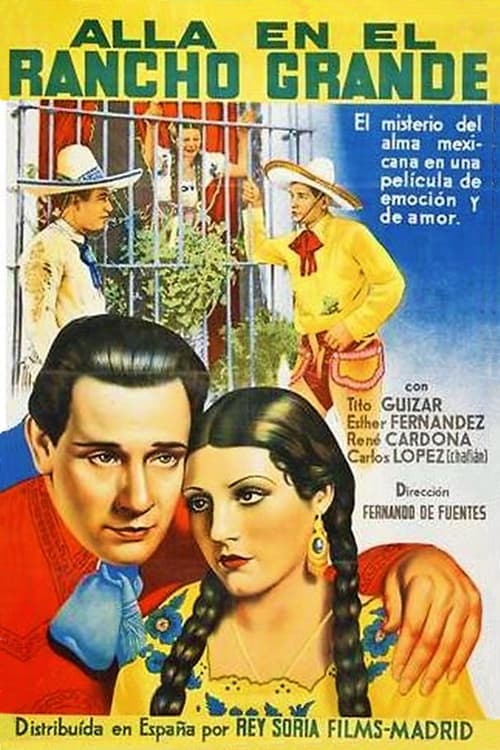
1936
1962
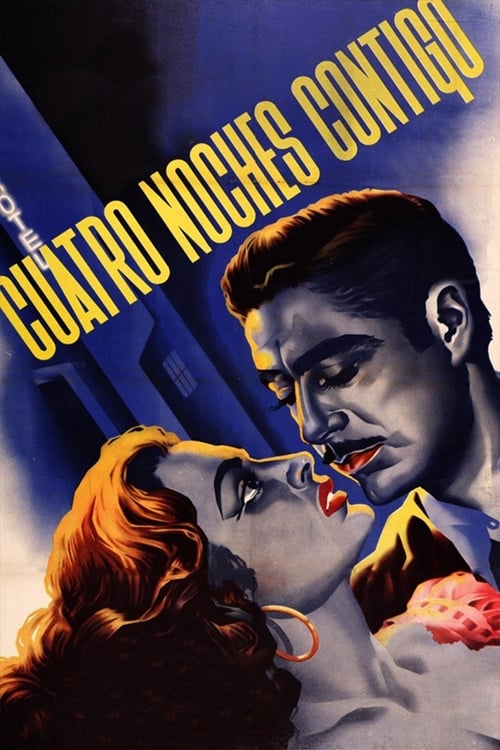
1952
No reviews yet. Be the first to share your thoughts on this movie!
Use the rating form above to leave a star rating and optional review.