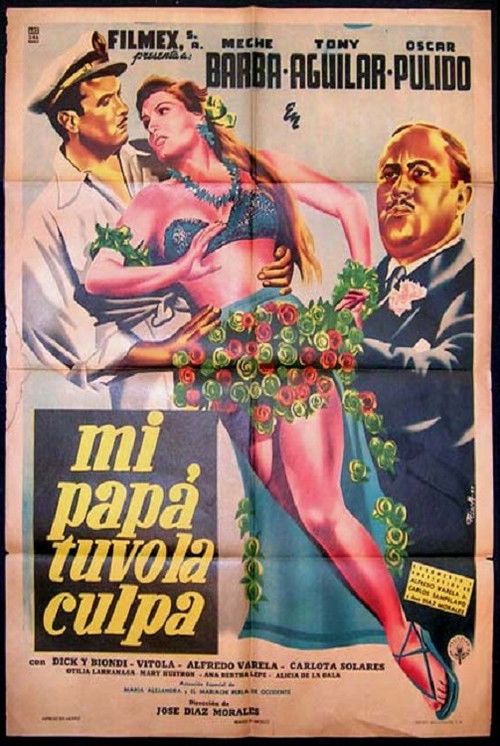
Mi papá tuvo la culpa
1953
No user ratings available yet
Representation score: 3.1 out of 10
Representation Score
Limited
1953
Director
Fernando Méndez
Runtime
103 minutes
Average Rating
No ratings yetNew Showbiz Analysis
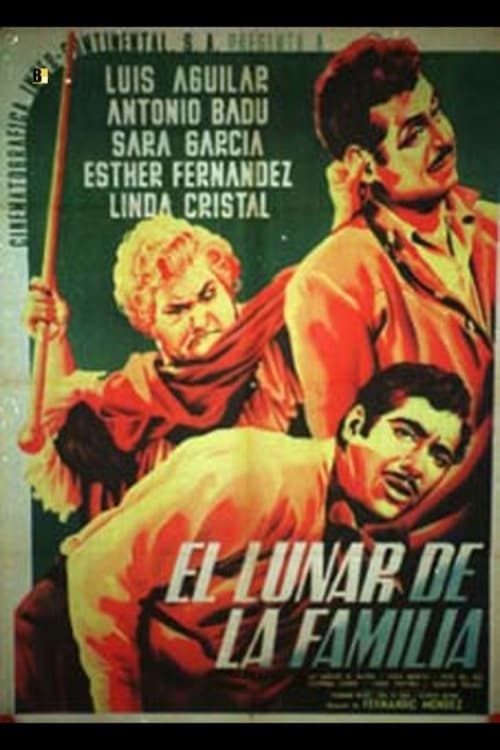
El lunar de la familia is a mid-century melodrama that prioritizes the stability of the traditional family unit. The narrative structure focuses on enforcing social decorum and conventional courtship, offering little room for identity-based challenges. The film reinforces 1950s social hierarchies through its character dynamics. Women exercise power primarily within domestic spheres to uphold moral standards, while the central plot revolves around arranged social expectations. Ultimately, the work functions as a reinforcement of the status quo. It lacks diverse representation across queer, racial, and disability spectrums, focusing instead on a homogeneous, conservative social framework.
Category Breakdown
The film focuses on Esther's affection for Antonio and does not include any queer narratives or non-straight identities.
Gender roles are defined by traditional hierarchies. Doña Luisa uses her domestic authority to enforce patriarchal standards and arrange marriages for female relatives.
The narrative suggests a homogeneous social environment centered on a specific family unit. It lacks evidence of diverse casting or the disruption of mid-century demographic norms.
The plot is rooted in conservative moralism and the preservation of family reputation. Doña Luisa acts as a moral arbiter to punish behavior that deviates from social standards.
The film contains no mention of characters with visible or invisible disabilities.
Present on Screen
Limited or Absent
Official Synopsis
Fernando Mendez's 1953 Spanish-language melodrama El Lunar de la Familia unfurls against the backdrop of a deceptively innocent-sounding family reunion. Two freewheeling, party-happy young men, Luis and his buddy Antonio, catch the train in to San Miguel, on a visit to Luis's grandmother, Doña Luisa, and his sister Esther. Unfortunately for the visitors, Luisa's goddaughter Rosita, is sitting near them in the same train car. She soon catches wind of the boys' wild tendencies, and makes a point of telling Luisa. Furious, the crotchety old woman decides to teach the bad boys a lesson by beating them senseless with her cane and forcing Luis to seek out a proper mate for Esther. Unfortunately, Esther has already fallen in love with Antonio - who could care less.
1953

1992
1948
1951
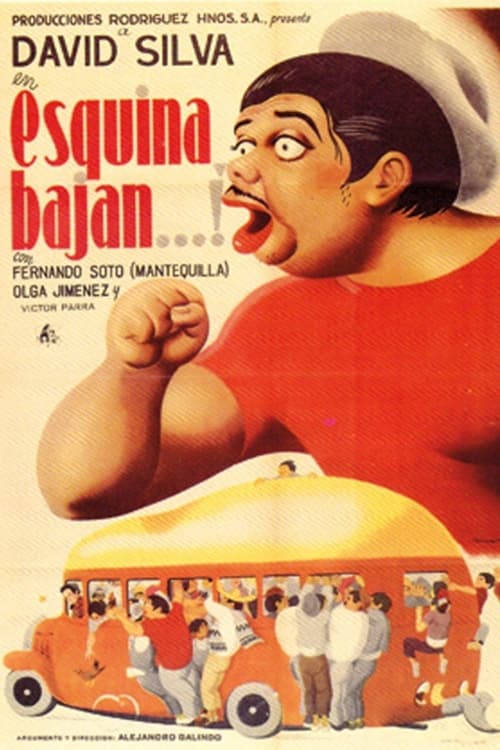
1948
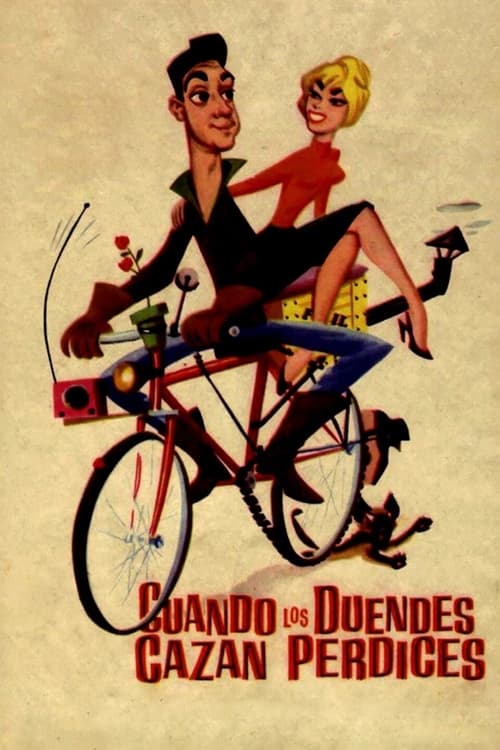
1955
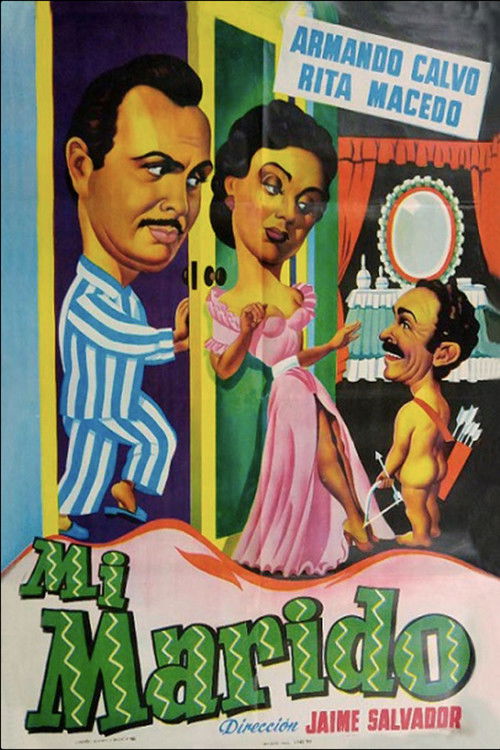
1951
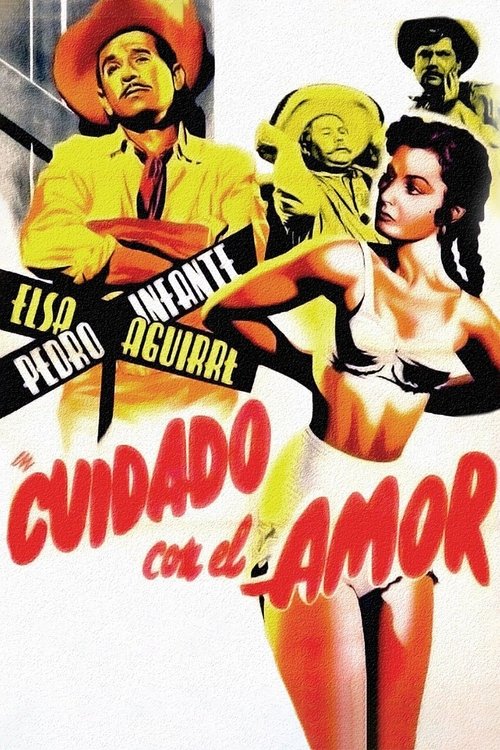
1954
No reviews yet. Be the first to share your thoughts on this movie!
Use the rating form above to leave a star rating and optional review.