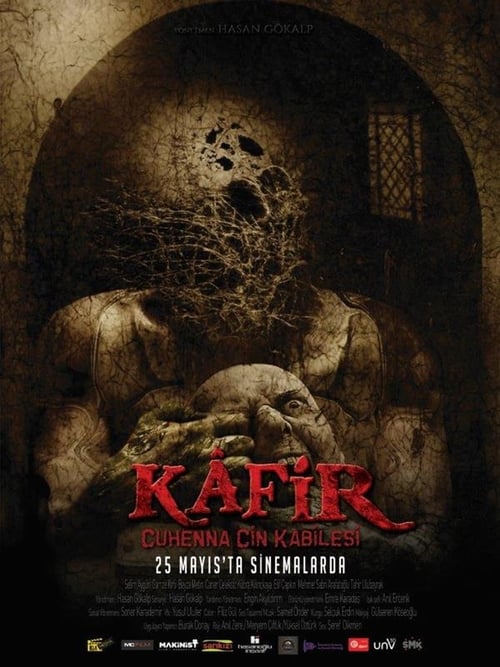
Kâfir
2018
No user ratings available yet
Representation score: 2.9 out of 10
Representation Score
Fair
2019
RDirector
Biray Dalkıran
Average Rating
No ratings yetNew Showbiz Analysis
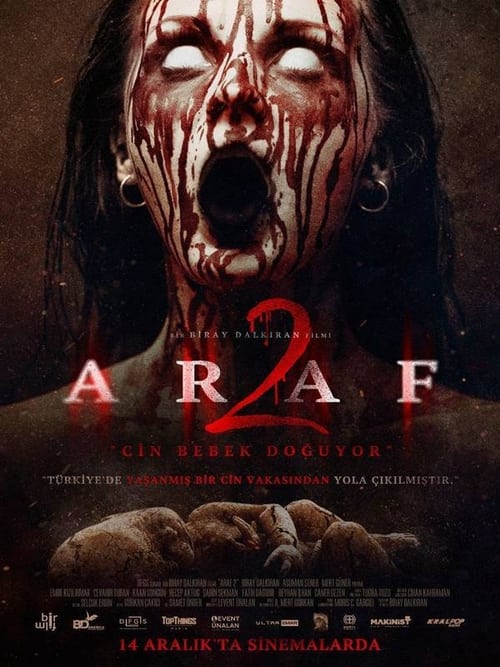
Araf 2 operates as a traditional horror film that leans heavily on established cultural and religious clichés. While it moves away from Hollywood-centric settings by incorporating Islamic folklore, it does so through a lens that reinforces conventional social hierarchies. The film's approach to identity is largely conservative. Gender roles follow a standard protector-victim archetype, and the central marriage reinforces traditional romantic structures without deviation. Ultimately, the film uses specific cultural and medical realities—such as epilepsy and religious belief—as tools to drive supernatural tension rather than to explore complex social or personal identities.
Category Breakdown
The story focuses on the marriage between Kübra and Ahmet. There are no representations of LGBTQ+ identities or critiques of traditional romantic structures.
Kübra is portrayed as the victim of supernatural affliction, while Ahmet acts as her protector. This follows a traditional dynamic where the female character's experiences drive the male protagonist's journey.
The setting includes an imam and jinn, suggesting a Middle Eastern or Islamic cultural context. This provides a departure from Western-centric norms, although specific ethnic diversity is not confirmed.
The plot relies on the tension between medical science and religious folklore. The narrative reinforces traditional spiritual hierarchies without offering a secular or critical perspective.
Kübra’s epilepsy is a central plot element. However, the film risks using her neurological condition as a horror device linked to possession rather than a nuanced portrayal of disability.
Present on Screen
Limited or Absent
Official Synopsis
Sequel to the 2006 film Araf tells the story of Kübra and Ahmet, who love each other deeply and have a happy marriage. Their lives turn into a nightmare due to events they cannot comprehend. While the doctor diagnoses Kübra with epilepsy, the imam of the neighborhood claims that Kübra is possessed by a jinn after learning about her experiences. Ahmet tries to find a logical explanation for what is happening, but he is at a loss for words in the face of a series of terrible events. First, Kübra's grandmother dies, then they find an amulet that cannot be destroyed in a locked cabinet. Kübra's condition, meanwhile, grows worse by the day. The jinn tormenting her is the ruler of the Cühenna Tribe, the most ruthless of all jinn tribes.
2018
2000

2019

2007

2006

2024
2010

2011
No reviews yet. Be the first to share your thoughts on this movie!
Use the rating form above to leave a star rating and optional review.