
Ammar: Cin Tarikatı
2014
No user ratings available yet
Representation score: 3.0 out of 10
Representation Score
Limited
2018
Director
Hasan Gökalp
Runtime
76 minutes
Average Rating
No ratings yetNew Showbiz Analysis
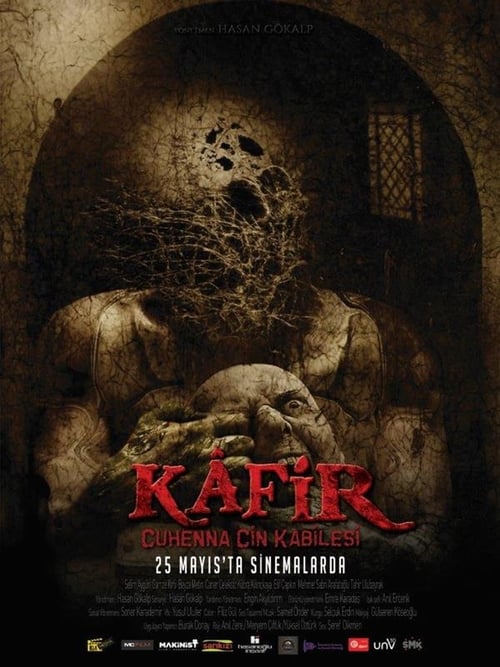
Kâfir operates primarily within established mythological and religious hierarchies. While it centers on female protagonists, their roles are defined by their reactions to external supernatural forces rather than social ability to act. The film avoids Western-centric horror clichés by using regional folklore and specific cultural entities. However, this cultural specificity is paired with a rigid adherence to traditional spiritual frameworks. Ultimately, the film offers little subversion of conventional social or identity-based structures, functioning instead as a traditional genre piece rooted in religious transgression.
Category Breakdown
The story focuses on a heterosexual relationship between Yasemin and her fiancé, Ufuk. It does not include any non-binary or transgender characters and does not critique the assumption that everyone is straight or cisgender.
Female characters Yasemin and Ayşe play central roles in the plot. However, their roles are reactive to supernatural threats rather than proactive in challenging gender hierarchies.
The film uses regional folklore and the Cuhenna tribe, avoiding Anglo-centric horror clichés. It is grounded in specific non-Western mythological frameworks.
The narrative upholds traditional spiritual hierarchies through themes of sorcery and jinn. It does not offer any deconstruction of religious institutions or secular perspectives.
The narrative does not mention any characters with visible or invisible disabilities, neurodivergence, or chronic illnesses.
Present on Screen
Limited or Absent
Official Synopsis
Yasemin, who lives with her sister Ayşe, has a beautiful relationship with her fiancé Ufuk. However, their happy life is shattered after Ayşe's nightmares come true. A spell cast by a sorcerer using infidel jinn causes certain entities from the Cuhenna tribe to haunt Yasemin.
2014

2015
2019

2017

2019
2014

2013
2010
No reviews yet. Be the first to share your thoughts on this movie!
Use the rating form above to leave a star rating and optional review.