
Sooner or Later
2003
No user ratings available yet
Representation score: 8.6 out of 10
Representation Score
Good
1995
Director
Robert-Adrian Pejo
Runtime
82 minutes
Average Rating
No ratings yetNew Showbiz Analysis
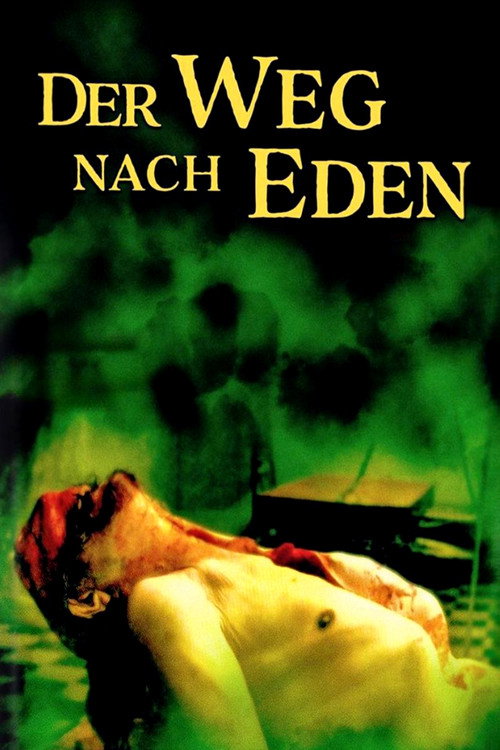
The Way to Eden is a contemplative documentary that dismantles social and religious taboos around mortality. It replaces spiritual moralism with a clinical, secular view of the human body. Though the film doesn't specifically represent identity-based groups, its focus on the universal biological reality of decay offers a naturalistic view of the human condition. It successfully challenges traditional cultural narratives about the sanctity of the physical body.
Category Breakdown
The film focuses on biological processes rather than character-driven stories. Though it doesn't include explicit LGBTQ+ narratives, its open approach to the human body avoids traditional assumptions about heterosexual relationships.
The documentary highlights universal biological experiences rather than gendered social structures. The main character is defined by professional skills rather than traditional masculine or feminine traits.
The film emphasizes the shared human condition through physiological studies. There is no evidence of racial stereotypes, though it lacks intentional casting that considers multiple aspects of diversity or specific ethnic backgrounds.
The narrative challenges religious beliefs by presenting death as a biological certainty. It adopts a secular viewpoint that prioritizes scientific understanding over spiritual judgment or doctrine.
By examining the aging and deterioration of the body, the film addresses physical vulnerabilities. It looks at the human form outside traditional standards of perfection or completeness.
Present on Screen
Limited or Absent
Official Synopsis
"What happens with a person after his death? What does the final destination look like? What happens with our bodies? How are we prepared for our last voyage?" A film on how we deal with death. The aging and the decay of the body, free of taboos. Death as a part of life and as the last companion. Janos Keser, the modern Charon, occupation: master of dissecting.
2003
1978
1979

2011
2020
2020
2013
2017
No reviews yet. Be the first to share your thoughts on this movie!
Use the rating form above to leave a star rating and optional review.