The Way to Eden
1995
No user ratings available yet
Representation score: 7.6 out of 10
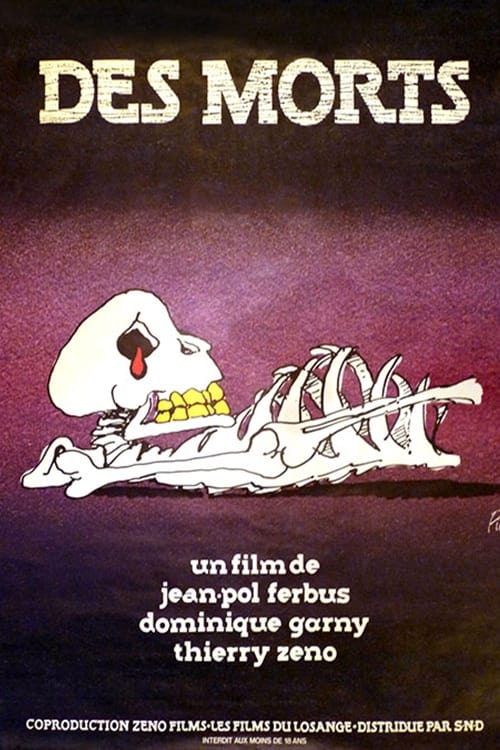
Representation Score
Fair
1979
NRDirector
Jean-Pol Ferbus, Thierry Zéno, Dominique Garny
Runtime
105 minutes
Average Rating
No ratings yetNew Showbiz Analysis
Of the Dead is a global ethnographic study that excels in its broad geographic and cultural scope. By focusing on funeral rites from South Korea to Mexico, it successfully challenges Western-centric views on death. While the film offers a rich tapestry of international traditions, it remains neutral regarding specific identity-based narratives. The observational format prioritizes ritual over the exploration of individual sexual orientation or gendered social roles. Ultimately, the documentary's strength lies in its commitment to international diversity, offering a meaningful departure from homogeneous storytelling through its wide-ranging cultural lens.
Category Breakdown
The documentary focuses on funerary rites rather than individual identity stories. There are no explicit references to LGBTQ+ characters or specific storylines within the rituals.
The film takes an ethnographic approach that avoids traditional gender stereotypes. However, it does not provide specific examples of challenging gender norms or detailed gender dynamics.
The film actively counters a Eurocentric perspective by documenting traditions in South Korea, Thailand, Mexico, Belgium, and the USA. It gives prominence to non-Western cultures through their ritualistic practices.
By presenting a variety of religious and secular responses to death, the work avoids promoting a single Western morality. It embraces a pluralistic framework through diverse global rites.
There is no specific information regarding the portrayal of individuals with physical or neurodivergent disabilities in this work.
Present on Screen
Limited or Absent
Official Synopsis
An exploration of death through diverse funeral rites and other cultural responses to mortality across several countries, including South Korea, Thailand, Mexico, Belgium, and the USA. The film observes practices ranging from elaborate public burials to the process of cremation, offering a look at how different societies confront death and the deceased, sometimes in graphic detail.
1995
1978

2003

2011
1994
2012

1968
2020
No reviews yet. Be the first to share your thoughts on this movie!
Use the rating form above to leave a star rating and optional review.