Tomorrow Is Forever
1946
No user ratings available yet
Representation score: 3.4 out of 10
Representation Score
Limited
1954
Director
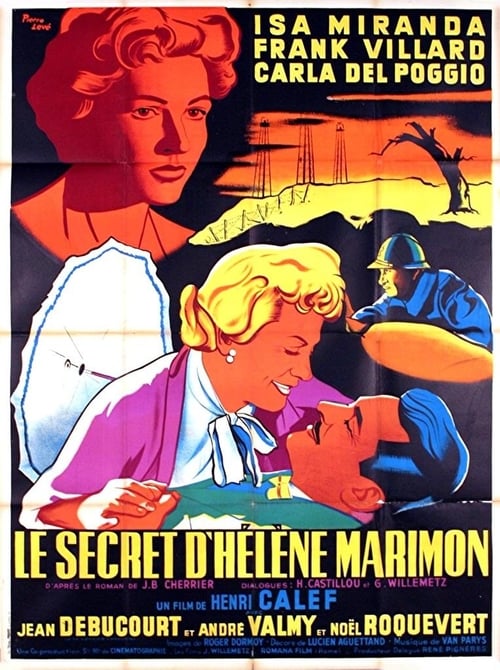
Henri Calef
Runtime
100 minutes
Average Rating
No ratings yetNew Showbiz Analysis
The film is a traditional mid-century French period drama that prioritizes classical romantic conflict. It adheres strictly to the social and narrative conventions of the 1950s, focusing on interpersonal ethics and fate. While the story features a female lead and a character with a war-related disability, these elements function within established melodramatic clichés. The narrative does not seek to disrupt systemic hierarchies or include diverse identities. Ultimately, the work reflects a homogeneous cultural perspective, centering on Western concepts of the nuclear family and traditional romantic structures.
Category Breakdown
The film centers on traditional heterosexual relationships and marriage. It does not include any non-straight or non-cisgender identities or challenge the idea that everyone is straight or cisgender.
Hélène Marimon provides an emotional core, but the plot relies on traditional female clichés. She acts as a caregiver, though she exerts significant control over her daughter's upbringing.
The production appears to focus on a homogeneous French cast. There is no indication of diverse racial backgrounds or non-Anglo-Saxon casting.
The narrative emphasizes familial duty and the consequences of personal secrets. It operates within a conventional framework of romantic tragedy and traditional morality.
Jacques Taillandier is a wounded veteran, representing physical disability. This role likely serves as a catalyst for romantic pathos rather than providing him with significant control over his own story.
Present on Screen
Limited or Absent
Official Synopsis
At the end of the Great War, the wounded Jacques Taillandier is cared for by the beautiful Hélène Marimon and becomes her lover. He hides from her the fact that her husband is a comrade from the trenches, and only reveals the truth when he learns of Marimon's death. Outraged, Hélène drives him away. After many years, Jacques reappears to learn that Hélène had once given him a daughter. Hélène, unwilling to reveal anything to young Dominique, forces the man she loves to leave her country. Dominique not only gets her mother to talk, but also reunites those separated by fate.
1946

1940

1951

1955
1953
1957
1951
1958
No reviews yet. Be the first to share your thoughts on this movie!
Use the rating form above to leave a star rating and optional review.