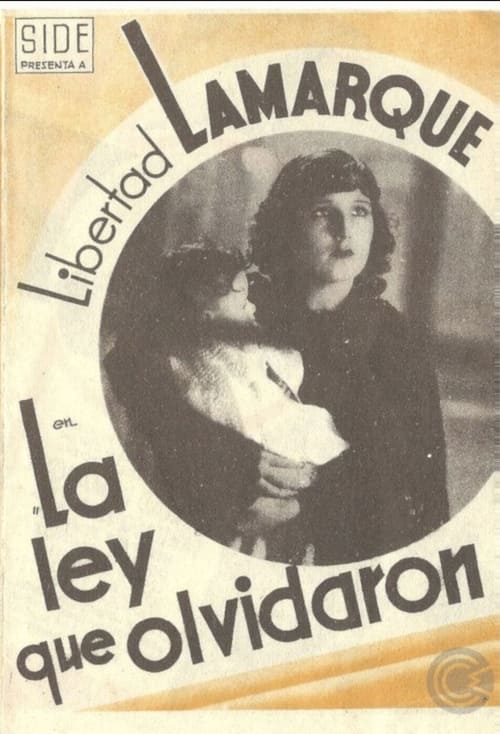
La ley que olvidaron
1938
No user ratings available yet
Representation score: 3.4 out of 10
Representation Score
Limited
1936
Director
José A. Ferreyra
Runtime
72 minutes
Average Rating
No ratings yetNew Showbiz Analysis
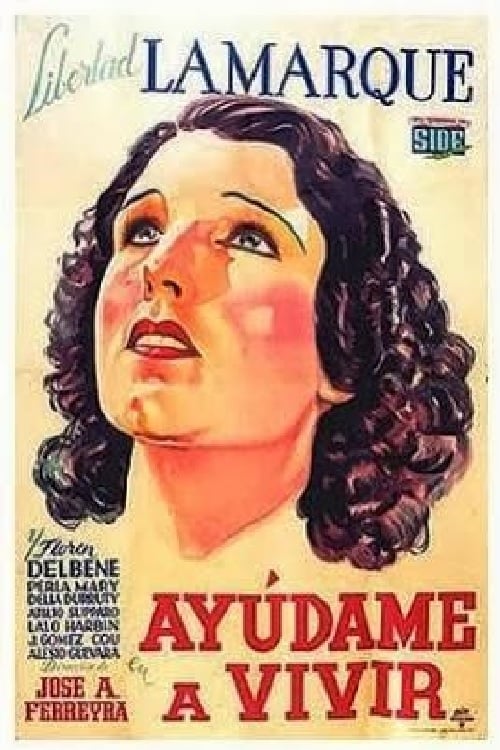
Ayúdame a vivir reflects the social, religious, and gender norms of 1930s Argentina. The narrative emphasizes conventional melodrama and established social hierarchies, reinforcing the status quo of the time. The film employs well-known clichés of the era, such as the authority of male family members and the use of illness to evoke emotional responses. These elements uphold the societal norms of the period. While historically important for early Argentine cinema, the film does not challenge the prevailing social or cultural structures of its setting.
Category Breakdown
The film focuses on a traditional romantic relationship between Luisa and Julio, typical of the 1930s. There is no indication of diverse sexual or gender identities.
Luisa's role is constrained by her brother's authority and her own health issues. Male characters dominate roles of control or romantic pursuit, upholding traditional gender dynamics.
The film likely mirrors the ethnic demographics of 1930s Argentina. There is no clear evidence of diverse casting or subversion of racial stereotypes.
The story unfolds in a Catholic boarding school environment, adhering closely to traditional Western and Christian moral values.
The protagonist's illness serves as a central plot device. It is unclear whether the illness enhances character autonomy or merely fuels melodrama.
Present on Screen
Limited or Absent
Official Synopsis
While studying at a Catholic boarding school, the young Luisa meets a boy, Julio, who talks to her from the street and through the gate. However, the girl's arrogant older brother removes her from the establishment and takes her to live in her family house. The beginning of love between Luisa and Julio is made even more difficult by what seems to be the beginning of a disease in her.
1938
1952
1980
1931
1967
1958

1986

2002
No reviews yet. Be the first to share your thoughts on this movie!
Use the rating form above to leave a star rating and optional review.