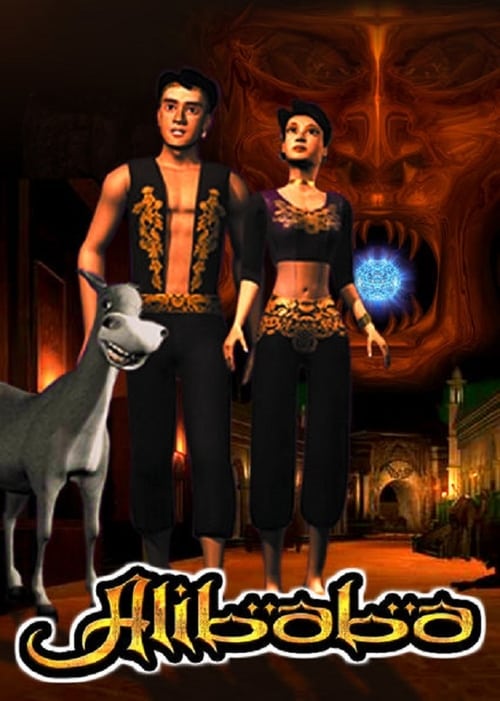
Alibaba
2002
No user ratings available yet
Representation score: 2.4 out of 10
Representation Score
Limited
2005
Director
Ric Machin
Runtime
68 minutes
Average Rating
No ratings yetNew Showbiz Analysis
The film relies heavily on traditional adventure archetypes, using a Middle Eastern backdrop to frame a classic hero's journey. While the setting provides a non-Western aesthetic, the narrative structure remains rooted in standard clichés of leadership and conflict. Representation is limited by a focus on masculine heroism and conventional social structures. The story prioritizes a struggle for political succession and freedom over complex explorations of identity or critiques of systemic issues. Ultimately, the work functions as a traditional animated tale, offering a cultural setting but lacking nuanced explorations of identity or subversions of hierarchies.
Category Breakdown
The film adheres to traditional romantic and family structures common in animation. There is no depiction of non-straight or non-cisgender identities or narratives that question the assumption that everyone is straight or cisgender.
The story centers around Prince Ali and his battle against a tyrant, reinforcing traditional masculine leadership roles. Female characters have limited roles that do not challenge conventional power dynamics.
The film sets its story in a Middle Eastern context using local folklore. However, the narrative follows a standard hero’s journey, and the extent to which non-Anglo-Saxon characters have ability to act is unclear.
The story uses a localized setting to tell a universal adventure tale. It lacks significant critiques of Western or secular values, staying within a conventional moral framework.
There is no mention of characters with visible or invisible disabilities in the available information.
Present on Screen
Limited or Absent
Official Synopsis
In a land far away and full of ancient marvels, the battles of the young prince Ali, fighting for the succession of his land and the freedom of his people, take place at the hands of a terrible tyrant.
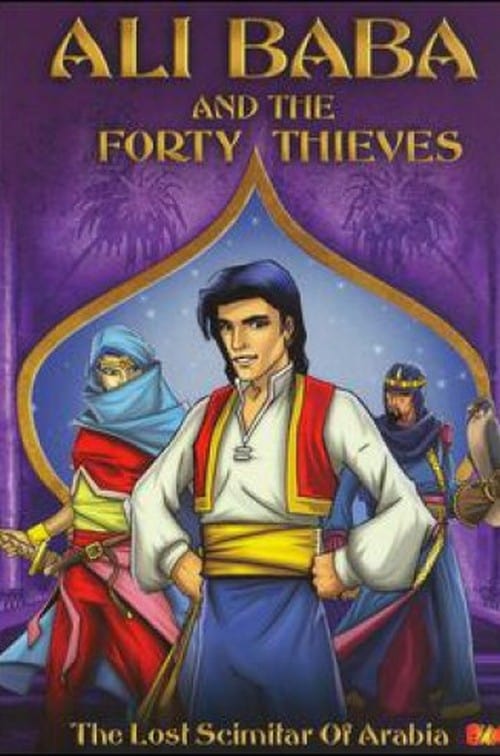
2002

2006
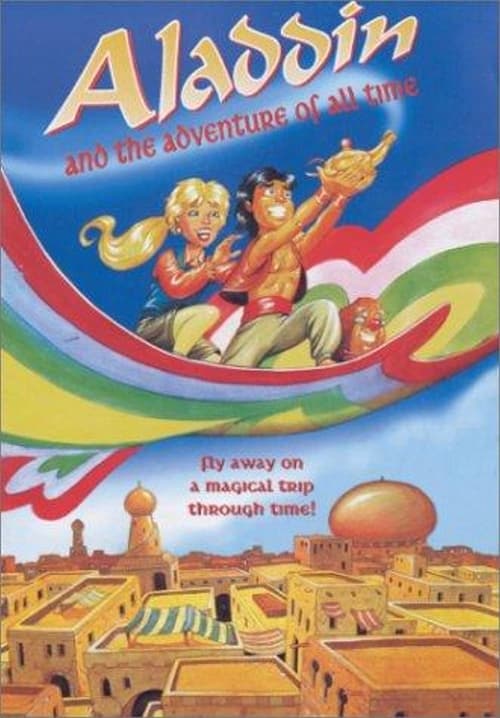
2000
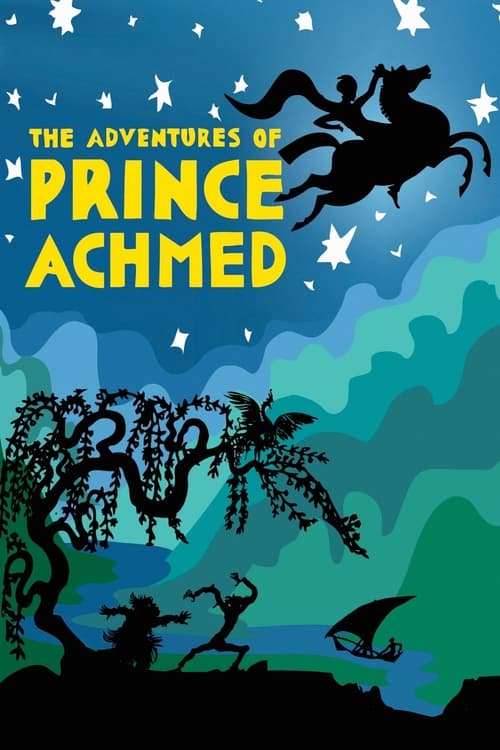
1926

1992
1996
1949
1971
No reviews yet. Be the first to share your thoughts on this movie!
Use the rating form above to leave a star rating and optional review.