Princess of the Sun
2007
No user ratings available yet
Diversity score: 6.4 out of 10
2003
Director
Jean Cubaud
Runtime
85 minutes
Average Rating
No ratings yetSynopsis
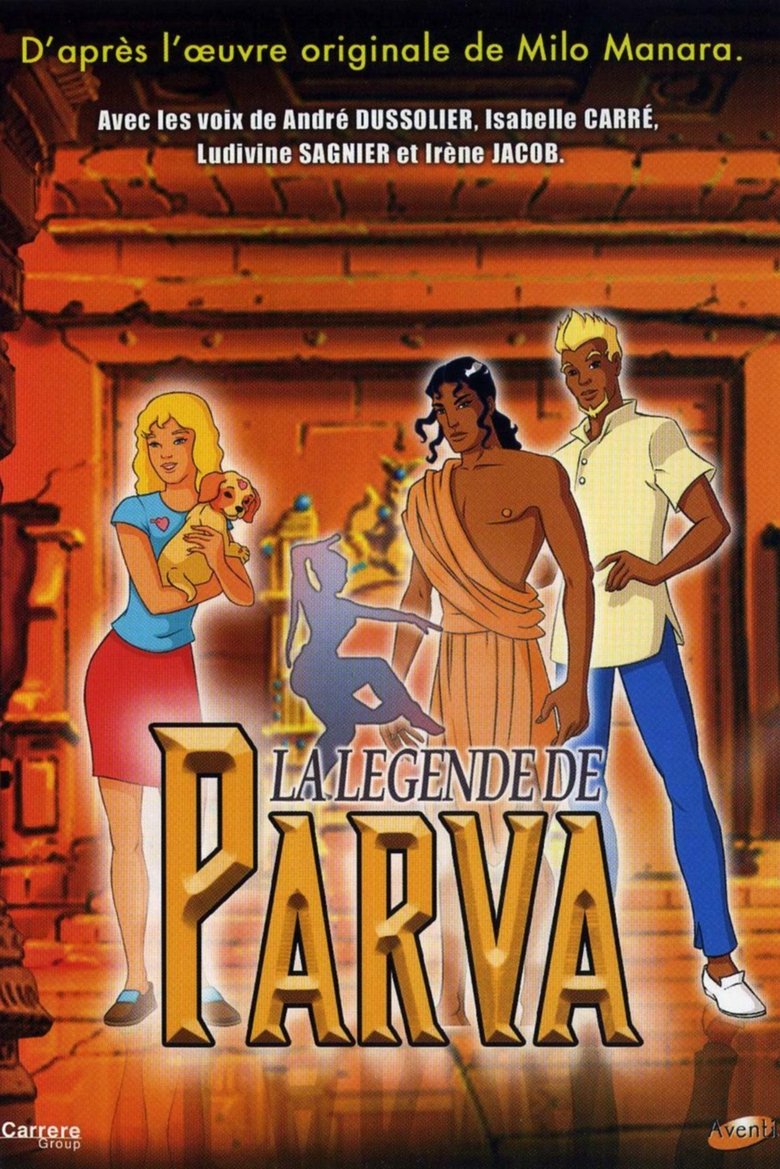
The island of Kiam was once a paradise place with a kind Maharaja as a ruler. But one day the villainous Malaw killed the island’s ruler and deprived the Crown Prince Shiva of the throne. The insidious Malaw had the prince locked up in a dungeon in the palace’s underground labyrinth, and he announced to the Kiam residents that he would kill Shiva if they only tried to rebel. Then the Old Sage Swami, aided by programmer Agni, came into contact with the Light of Crystal. That’s what he called a girl named Parva, who embodied radiant innocence and was born of the same astral combination as Prince Shiva. Only she and her love could save the prince and bring peace back to the island of Kiam.
Overall Score
Fair
Category Breakdown
LGBTQ+ Representation
The story centers on a romantic pairing between Parva and the Prince to resolve the conflict. This emphasis on a singular love suggests a reliance on heteronormative tropes common to early 2000s animation.
Gender Representation
Parva serves as the essential catalyst for political and social restoration. By making her agency the primary requirement for reclaiming the throne, the film elevates the female character beyond a passive archetype.
Racial & Ethnic Diversity
The setting and character names indicate a narrative rooted in South Asian or Vedic-inspired aesthetics. This provides representation of non-Western mythic structures, moving away from standard Eurocentric fantasy tropes.
Religious & Cultural Diversity
The plot follows a conventional struggle for justice and the restoration of a monarchical hierarchy. While utilizing non-Western elements, it adheres to traditional morality rather than critiquing institutional power.
Disability Representation
There is no evidence regarding the portrayal of physical or neurodivergent disabilities within the narrative.
Strengths
Areas for Improvement
AI Analysis
The Legend of Princess Parva offers a refreshing departure from Eurocentric fantasy by utilizing South Asian cultural motifs and nomenclature. The film successfully positions a female protagonist as the central driver of the plot's resolution. However, the narrative remains tethered to traditional storytelling structures. The reliance on a restorative justice arc—returning a rightful king to his throne—and a conventional romantic pairing limits its ability to subvert established archetypes. Ultimately, the film provides meaningful cultural aesthetics but maintains a conservative approach to character agency and social themes.
2007

2012
1949
1939

2016
2002
1979

2022
2000
1999
2003

2007
No reviews yet. Be the first to share your thoughts on this movie!
Use the rating form above to leave a star rating and optional review.