Robin Goodhood
1970
No user ratings available yet
Representation score: 3.7 out of 10
Representation Score
Limited
1968
GDirector
Arthur Davis
Runtime
6 minutes
Average Rating
No ratings yetNew Showbiz Analysis
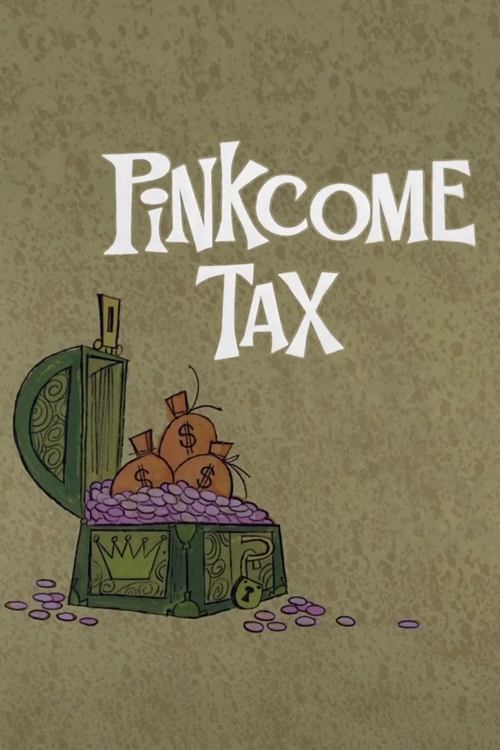
Pinkcome Tax primarily functions as a socio-economic commentary rather than a study of identity-based representation. Using a medieval framework, it explores class struggle and the impact of taxation on the poor. The film's strength lies in its critique of institutionalized poverty and systemic economic oppression. However, it lacks explicit representation of LGBTQ+ identities, racial diversity, or disability, making it a narrow, class-focused narrative.
Category Breakdown
The film does not include any representation of LGBTQ+ identities or same-sex relationships. The story focuses solely on class-based conflicts.
Gender roles are not explicitly explored in the narrative. While there are no traditional patriarchal structures mentioned, there is no clear indication of challenging gender norms.
The medieval setting restricts the visibility of diverse ethnic groups. The story emphasizes socioeconomic status over racial identity, with no clear evidence of ethnic diversity.
The film challenges traditional medieval clichés by focusing on economic oppression rather than chivalry. It critiques institutional authority and wealth disparity through its emphasis on taxation.
There is no mention of characters with visible or invisible disabilities. The story does not provide any evidence of neurodivergent representation.
Present on Screen
Limited or Absent
Official Synopsis
In medieval times, The Pink Panther tries to rescue an imprisoned peasant because he is too poor to pay taxes.
1970
1973
1969
1970
1970
1969
1969
1970
No reviews yet. Be the first to share your thoughts on this movie!
Use the rating form above to leave a star rating and optional review.