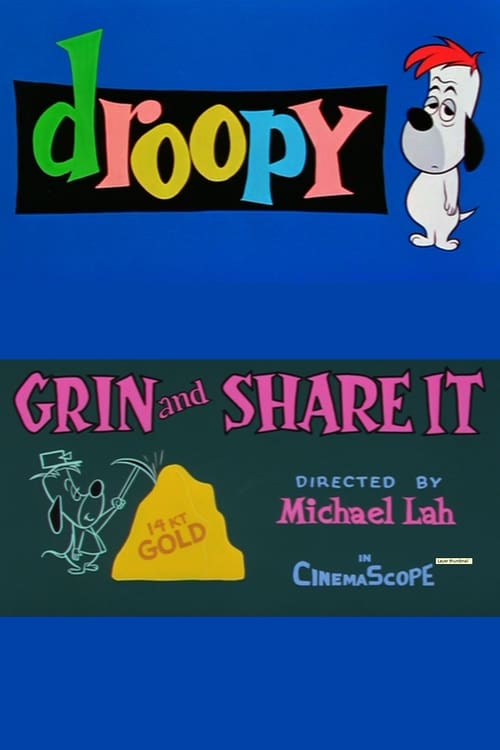
Grin and Share It
1957
No user ratings available yet
Representation score: 0.2 out of 10
No Poster Available
Representation Score
Minimal
1969
GDirector
Arthur Davis
Runtime
6 minutes
Average Rating
No ratings yetNew Showbiz Analysis
A Pair of Greenbacks is a brief animated comedy centered on a simple dispute between two characters, Pancho and Toro. The plot revolves around their attempt to secretly consume a shared resource, El Kukaracha, while the other sleeps. The film operates as a conventional, character-driven comedy. It lacks a framework for addressing diverse identities or disrupting traditional social hierarchies, focusing instead on a localized, comedic cliché of scarcity and deception. While the character names and references imply a specific cultural setting, the narrative scope remains extremely limited. The film does not engage with broader social, gendered, or identity-based themes.
Category Breakdown
The film does not include any characters with non-binary or same-sex relationships. The story focuses solely on a conflict between two characters.
There is no evidence of gender roles that challenge or reinforce societal norms. The characters are not defined by their position within gender hierarchies.
Names like Pancho and Toro, along with the mention of El Kukaracha, suggest a Latin American setting. However, it is unclear if these characters are nuanced or if they are ethnic caricatures.
The story centers on a narrow conflict over food. It does not critique Western institutions or broader cultural issues.
No characters are identified as having visible or invisible disabilities. There is no indication of neurodivergent representation in the film.
Present on Screen
Limited or Absent
Official Synopsis
When Pancho and Toro caught the El Kukaracha, they thought they would share it for breakfast tomorrow, but when they're asleep, one of them would sneak to the breakfast and eat it themselves.
1957
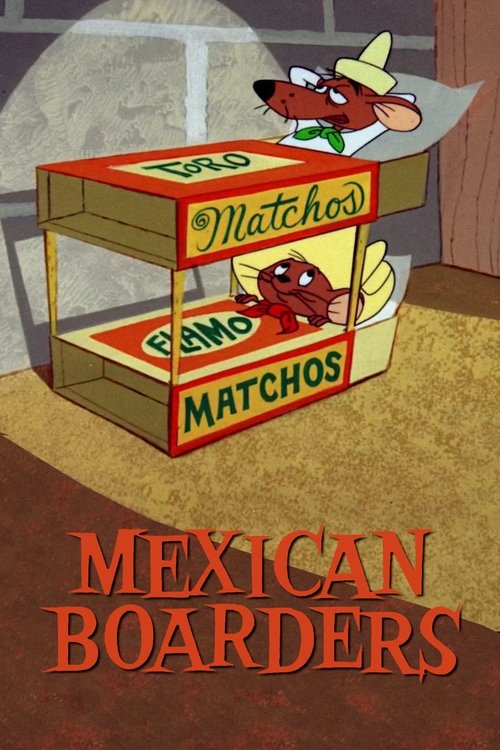
1962
1969
1969
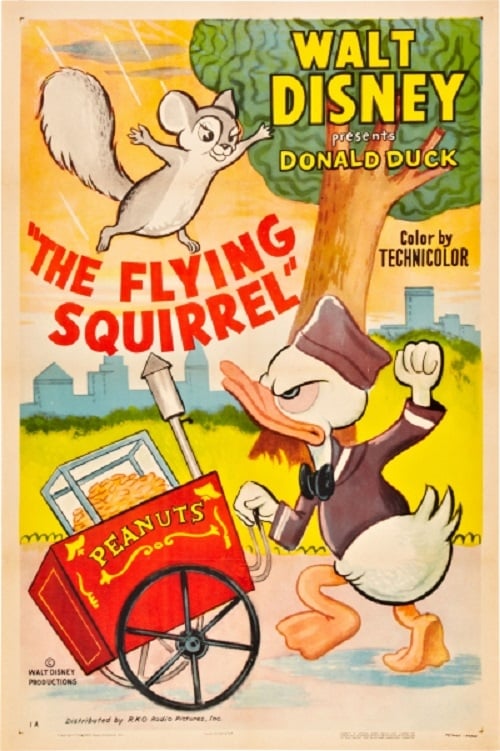
1954
1958
1948
1970
No reviews yet. Be the first to share your thoughts on this movie!
Use the rating form above to leave a star rating and optional review.