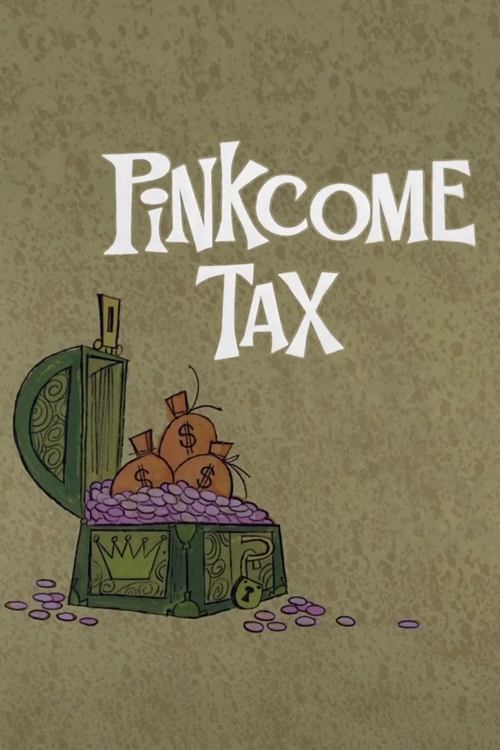
Pinkcome Tax
1968
No user ratings available yet
Representation score: 3.2 out of 10
Representation Score
Limited
1970
GDirector
Gerry Chiniquy
Runtime
6 minutes
Average Rating
No ratings yetNew Showbiz Analysis
Robin Goodhood operates within the narrow confines of traditional folklore, emphasizing a classic hero-versus-villain dynamic. While the plot offers a subtle critique of institutional authority and wealth redistribution, it lacks depth in social representation. The film relies heavily on conventional storytelling clichés, resulting in a narrative that feels culturally homogeneous and fails to engage with diverse perspectives. Ultimately, the work functions as a standard morality tale rather than a vehicle for diverse viewpoints.
Category Breakdown
The film centers on a conflict between Roland Hood and Rattfink, focusing on a binary opposition. There are no depictions of non-binary gender identities or same-sex relationships.
The story relies on traditional masculine stereotypes of the rogue and outlaw. Female characters lack individual storylines and development.
The narrative adheres to a standard Western folklore structure without incorporating diverse racial backgrounds or cultural blending.
The film critiques institutional authority by portraying tax collection as an antagonistic force, adding moral complexity to the narrative.
The film does not include any characters with visible physical, sensory, or neurodivergent disabilities.
Present on Screen
Limited or Absent
Official Synopsis
Roland Hood takes money from evil tax-collector Rattfink to give to the poor. Rattfink, however, has other ideas.
1968
1973
1970
1979
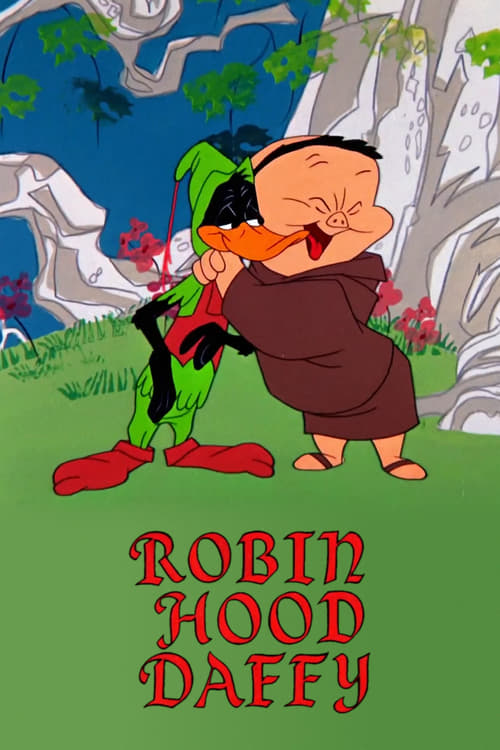
1958
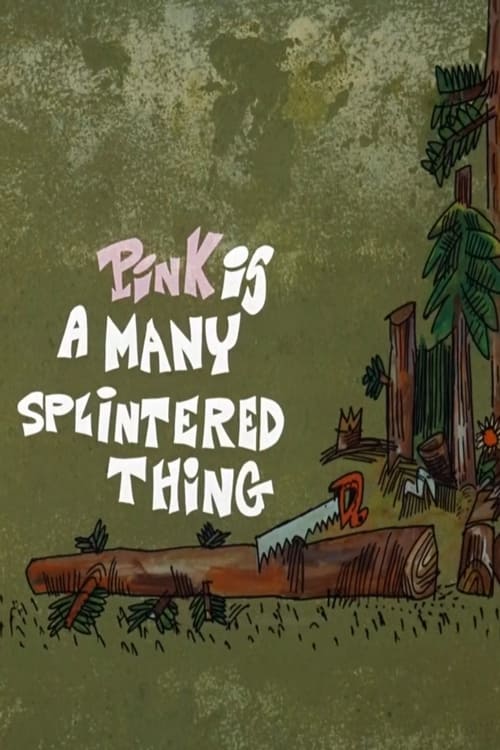
1968
1970
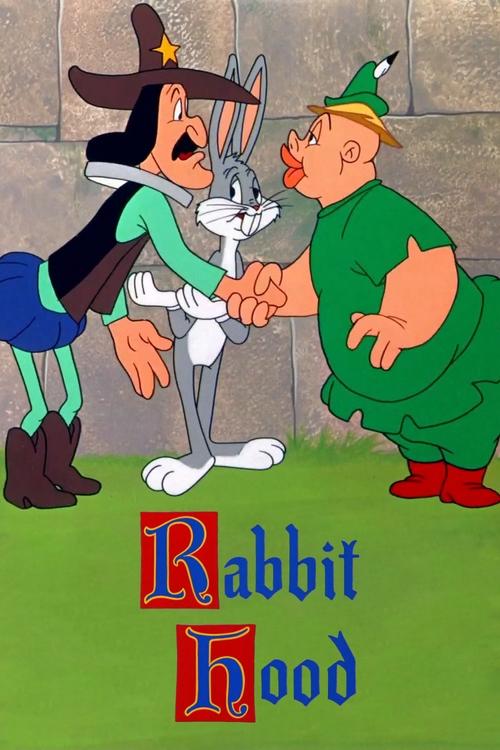
1949
No reviews yet. Be the first to share your thoughts on this movie!
Use the rating form above to leave a star rating and optional review.