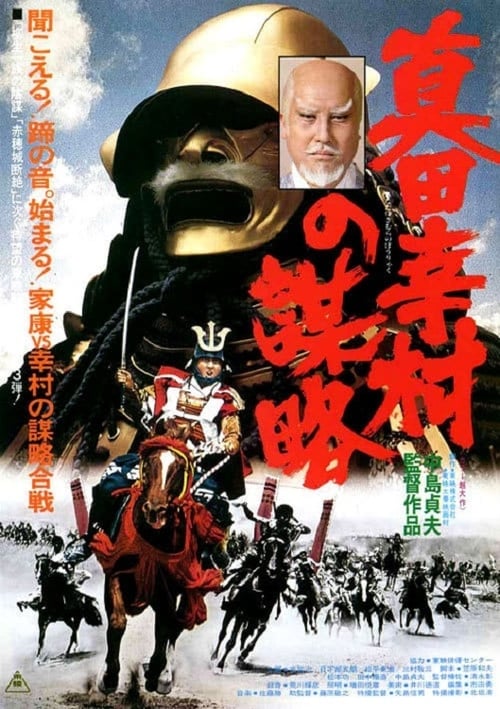
The Shogun Assassins
1979
No user ratings available yet
Representation score: 3.6 out of 10
No Poster Available
Representation Score
Minimal
1928
Director
Masahiro Makino
Runtime
8 minutes
Average Rating
No ratings yetNew Showbiz Analysis
Samurai Town Story Part I is a foundational silent-era jidaigeki that prioritizes genre-specific action over social commentary. The surviving documentation focuses on a concluding battle, a cliché that emphasizes martial prowess and traditional social hierarchies. The film functions as a historical artifact of early 20th-century Japanese cinema. While culturally significant, it lacks the multi-layered approach or the intentional disruption of institutional norms found in more progressive works. Ultimately, the production reflects the conventional values of its era, centering on established social orders rather than challenging systemic power dynamics.
Category Breakdown
The film does not include any characters with non-binary gender identities or sexual orientations. There are no stories that question the assumption that everyone is straight or cisgender.
The narrative likely follows traditional gender roles from the 1920s. There is no indication of women having significant control over the plot or challenging male leadership.
As a film made in Japan, the cast is primarily composed of Japanese actors. It serves as a key cultural text reflecting the specific ethnic context of early 20th-century Japanese society.
The story operates within the traditional framework of the Samurai era, emphasizing honor and duty within the established social order.
There is no information about characters with visible or invisible disabilities in the film.
Present on Screen
Limited or Absent
Official Synopsis
All that remains of the first Samurai Town Story is the concluding battle.
1979
1962
1945
1962
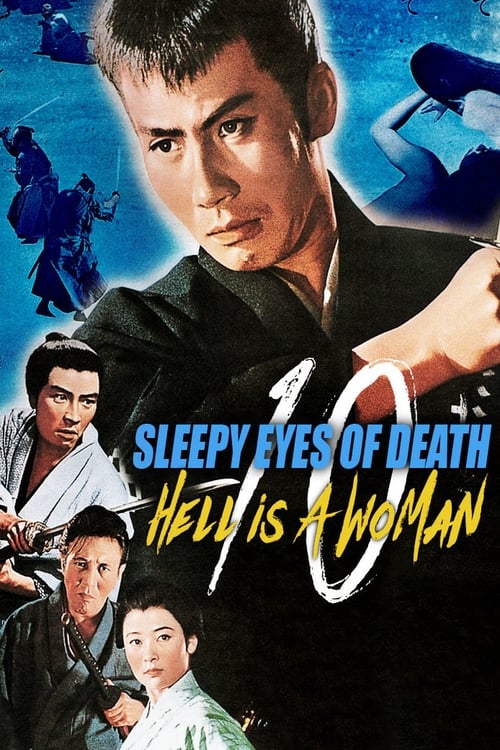
1968
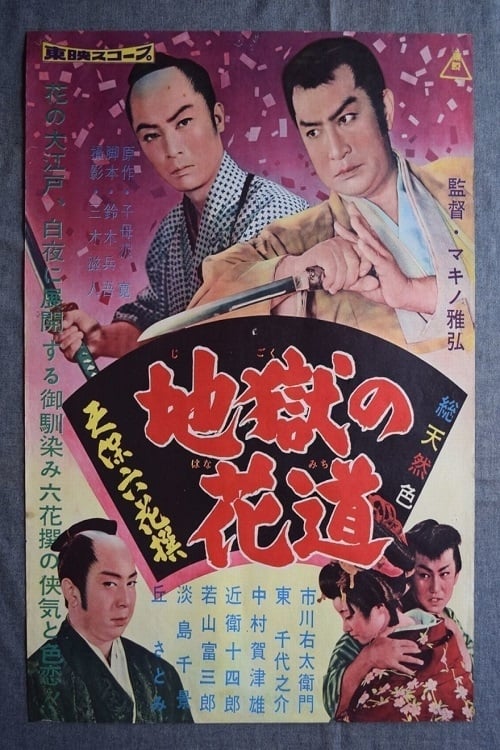
1960
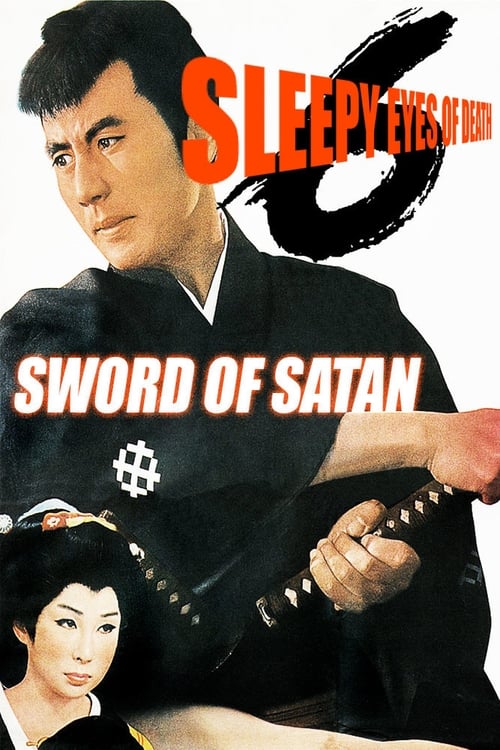
1965
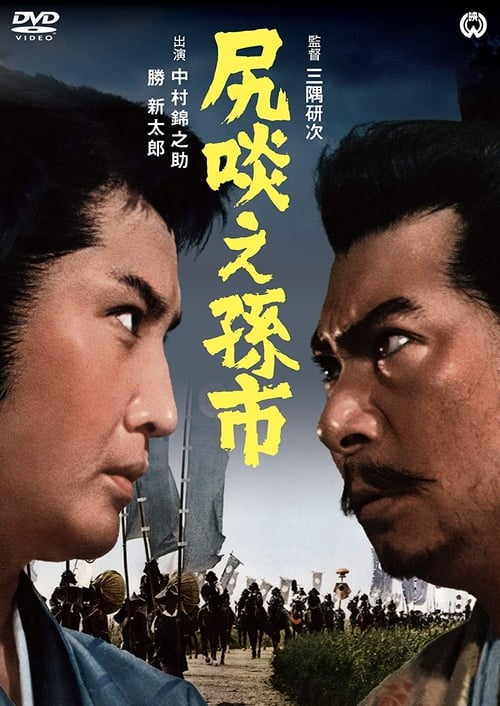
1969
No reviews yet. Be the first to share your thoughts on this movie!
Use the rating form above to leave a star rating and optional review.