
A Walk in Time: The Adventure Continues
1997
No user ratings available yet
Representation score: 1.4 out of 10
Representation Score
Limited
1999
Director
Carlo Vanzina
Runtime
103 minutes
Average Rating
No ratings yetNew Showbiz Analysis
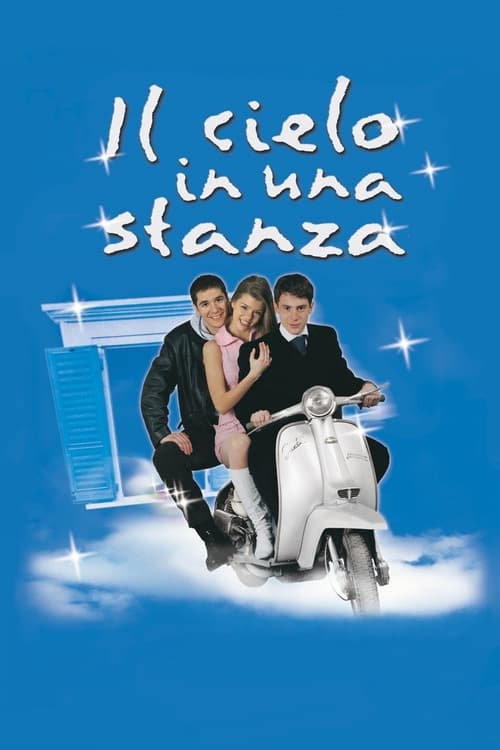
Il cielo in una stanza is a traditional comedic exploration of the generational gap. The plot relies on a nostalgic time-travel device to reconcile a father and son, reinforcing conventional familial structures rather than challenging them. The film lacks intentionality regarding the way different parts of someone's identity overlap. It operates within a narrow, male-centric framework that prioritizes the reconciliation of masculine identities across different eras. Ultimately, the production reflects the demographic norms of late-90s Italian commercial cinema, offering a localized perspective that avoids systemic social critique.
Category Breakdown
The film centers on a generational conflict between a father and son. It does not include any non-straight or non-cisgender identities or narratives that question the assumption that everyone is straight or cisgender.
The narrative is framed through a patriarchal lens, focusing on the tension between male authority and youthful rebellion. It does not explicitly challenge gender hierarchies or elevate women's roles in driving the story.
The setting and era suggest a relatively homogeneous social landscape. The film reflects traditional demographic norms, prioritizing a localized, Eurocentric perspective.
The story uses time travel to explore nostalgia and social mores. It focuses on generational belonging and social status rather than deconstructing Western institutions.
There is no mention of characters with visible or invisible disabilities. No information is available regarding the portrayal of neurodivergence or physical impairments.
Present on Screen
Limited or Absent
Official Synopsis
Clashing with his father Paolo after coming home late, 17-year-old Marco accuses him of being old and stifling. They time travel to the 1960s, where Paolo will be able to prove his son he too used to be hip.
1997
1984
1992

2012
1999
1986
1989

2015
No reviews yet. Be the first to share your thoughts on this movie!
Use the rating form above to leave a star rating and optional review.