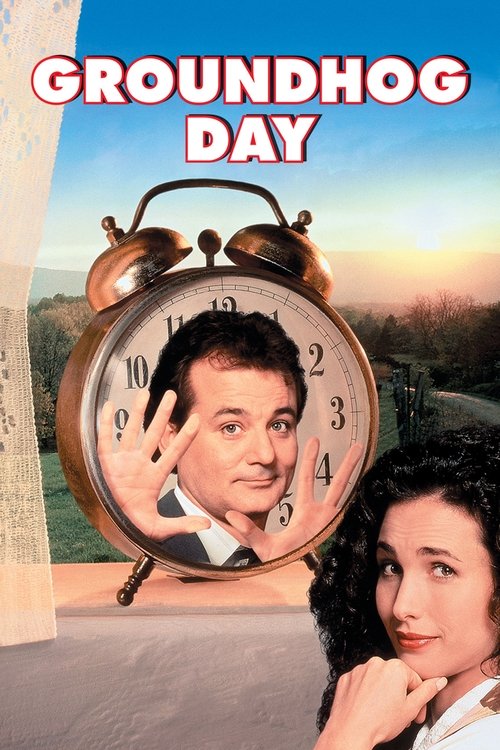
Groundhog Day
1993
No user ratings available yet
Representation score: 4.2 out of 10
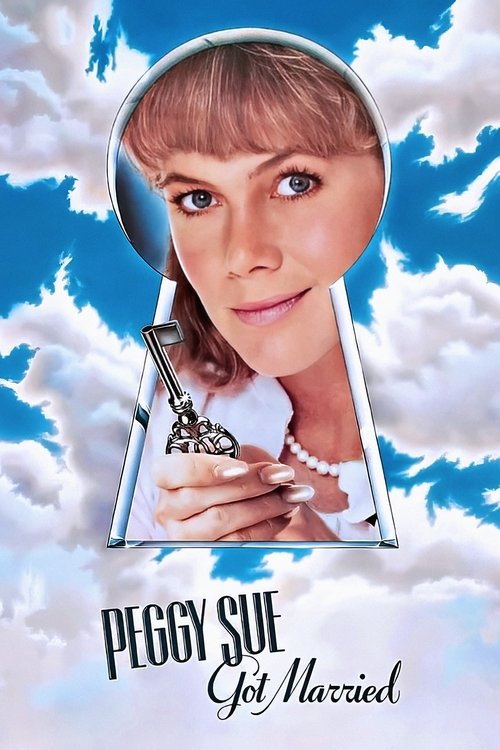
Representation Score
Limited
1986
PG-13Director
Francis Ford Coppola
Runtime
103 minutes
Average Rating
No ratings yetNew Showbiz Analysis
Peggy Sue Got Married serves as a psychological exploration of historical nostalgia. It effectively uses a female protagonist to highlight the restrictive social expectations and performative femininity of the mid-20th century. However, the film is confined to a narrow demographic, depicting a culturally specific, white, middle-class environment that lacks racial diversity and any representation of LGBTQ+ identities. Ultimately, while the film challenges the idealized past, it does so within a highly homogeneous and straight-centered context.
Category Breakdown
The film focuses solely on heterosexual relationships and traditional romance. There is no indication of LGBTQ identities or subtext within the 1960s setting.
Peggy Sue's journey challenges the traditional housewife role by emphasizing the tension between modern empowerment and patriarchal constraints. While it questions gender hierarchies, the resolution still adheres to traditional romance.
The film depicts a predominantly white, middle-class suburban community. It reflects the era's lack of integration and does not engage with racial diversity.
Using a postmodern perspective, the film critiques the emptiness of consumerist status symbols and the rigidity of mid-century social institutions, challenging the myth of a 'Golden Age'.
There are no characters with visible or invisible disabilities portrayed as central to their stories. The film does not feature any characters defined by physical impairments or neurodivergence.
Present on Screen
Limited or Absent
Official Synopsis
At her 25th high school reunion, Peggy Sue faints and awakens in 1960—back in her senior year, before her marriage and all her regrets. Given a second chance to relive her youth, she must decide whether to change the choices that shaped her life or embrace the past that made her who she is.
1993
1989

2004

2012

2000
1980

2009
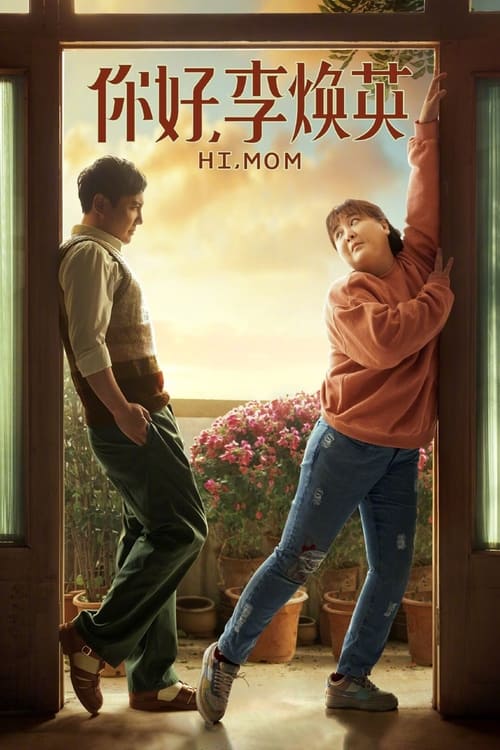
2021
No reviews yet. Be the first to share your thoughts on this movie!
Use the rating form above to leave a star rating and optional review.