
A Walk in Time: The Adventure Continues
1997
No user ratings available yet
Representation score: 1.4 out of 10
Representation Score
Fair
1984
Director
Massimo Troisi, Roberto Benigni
Runtime
112 minutes
Average Rating
No ratings yetNew Showbiz Analysis
The film uses anachronistic perspectives to challenge traditional Western narratives. By placing 20th-century protagonists in the 15th century, it questions historical grand narratives and established social hierarchies through absurdist comedy. While the film shows progressive intent through its structural critique of historical authority, it lacks specific character-level data to confirm broader representation. The focus remains on disrupting historical timelines rather than explicit identity exploration. Ultimately, the work questions historical 'truth' and dogmatic morality, even if its representation of specific underrepresented groups remains unverified.
Category Breakdown
The film doesn't explicitly explore LGBTQ identities or include queer-coded character arcs. The score focuses on traditional heterosexual relationships without addressing non-straight relationships.
Two modern men navigating the 15th century challenge traditional patriarchal structures and Renaissance-era expectations. Their presence disrupts period-accurate leadership and stoicism.
Set in 1492, the film deals with a period of colonial expansion and ethnic tension. Any deviation from a homogeneous European cast would significantly disrupt the narrative.
The narrative prioritizes moral relativism by allowing protagonists to try altering the past. This challenges the sanctity of historical inevitability and traditional Western progression.
There is no discernible evidence regarding the inclusion or portrayal of characters with physical or neurodivergent disabilities.
Present on Screen
Limited or Absent
Official Synopsis
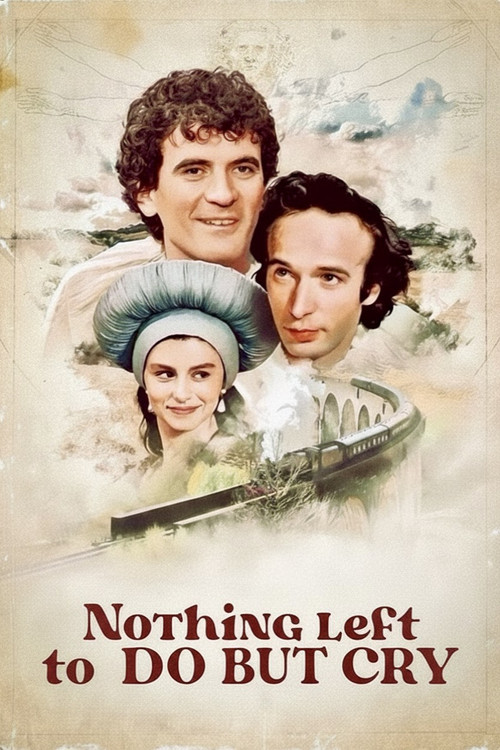
Two 20th-century friends accidentally stumble into the year 1492, where they meet a charming teen and try to alter history.
1997
1988

2005
1973
2019
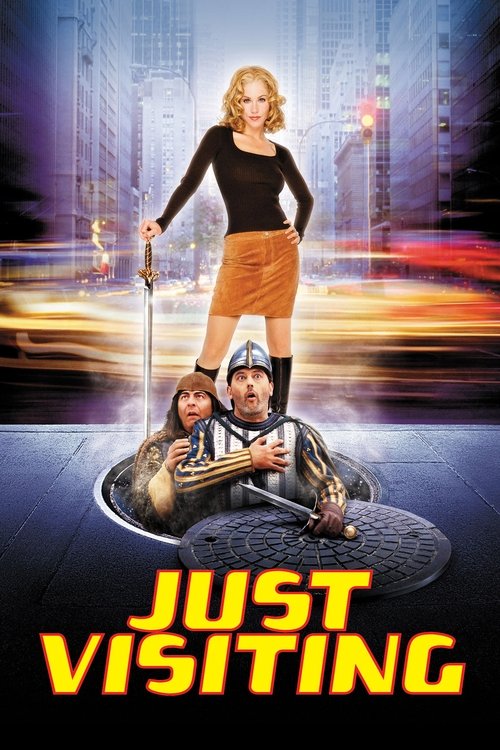
2001
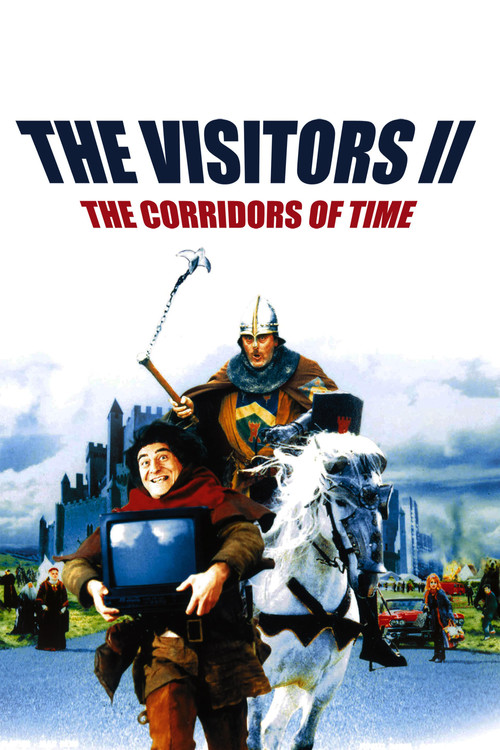
1998

2001
No reviews yet. Be the first to share your thoughts on this movie!
Use the rating form above to leave a star rating and optional review.