Young Style
2013
No user ratings available yet
Representation score: 2.3 out of 10
Representation Score
Good
2012
TV-14Director
Noémie Lvovsky
Runtime
115 minutes
Average Rating
No ratings yetNew Showbiz Analysis
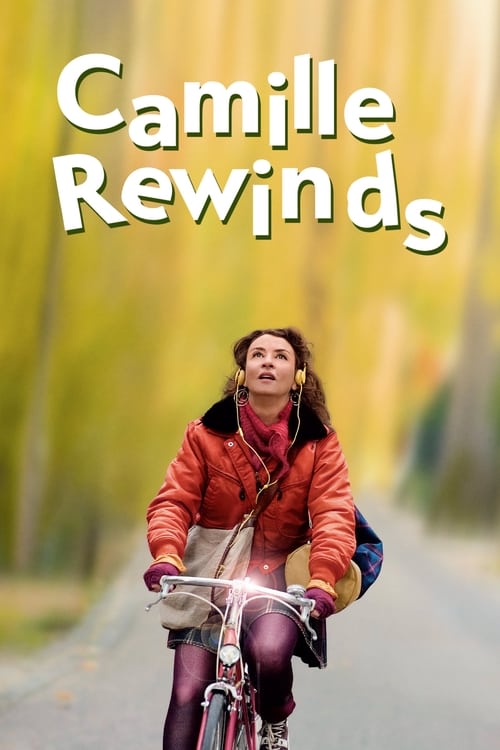
Camille Rewinds excels in its sophisticated exploration of women's ability to drive the story and autonomy. By placing a mature woman's perspective into her teenage past, the film challenges traditional romantic clichés and examines the complexities of self-actualization. However, the film lacks breadth in its social landscape. The narrative is heavily centered on a straight-centered, middle-class French experience, offering limited visibility for LGBTQ+ identities or diverse racial backgrounds. Ultimately, while the film provides a nuanced look at gendered identity and the consequences of life choices, its narrow demographic focus limits its overall diversity impact.
Category Breakdown
The story focuses primarily on the heterosexual relationship between Camille and Eric. It does not include explicit depictions of LGBTQ+ intimacy or non-binary gender identities.
Camille actively drives the story with her modern outlook, challenging traditional female passivity. The film highlights societal pressures and the cyclical nature of female suffering.
The cast is predominantly white, representing a specific middle-class French environment. There are no apparent efforts to diversify the Parisian setting.
The film presents the past as a space for personal reflection rather than a fixed moral code. It portrays traditional family structures with a sense of nostalgia and melancholy.
An alcoholic-induced coma serves as the plot's catalyst, emphasizing psychological and existential themes. The portrayal avoids clichés by focusing on the unglamorous reality of the crisis.
Present on Screen
Limited or Absent
Official Synopsis
Camille was only sixteen and still in high school when she fell in love with Eric, another student. They later married and a child and were happy for a while. But now twenty-five years have passed and Eric leaves her for a younger woman. Bitter and desperate Camille drinks so much liquor at a New Year Eve's party that she falls into an ethylic coma and she finds herself... propelled into her own past! Camille is sixteen again when she wakes up this morning, her parents are not dead anymore and she must go to school, where she will meet her schoolmates and, of course, Eric. Is she going to fall for him again and... be miserable twenty-five years later? Or will she avoid him with the result never having her beloved daughter? Who ever said that time traveling was fun?
2013

2015
2010
2021

2015
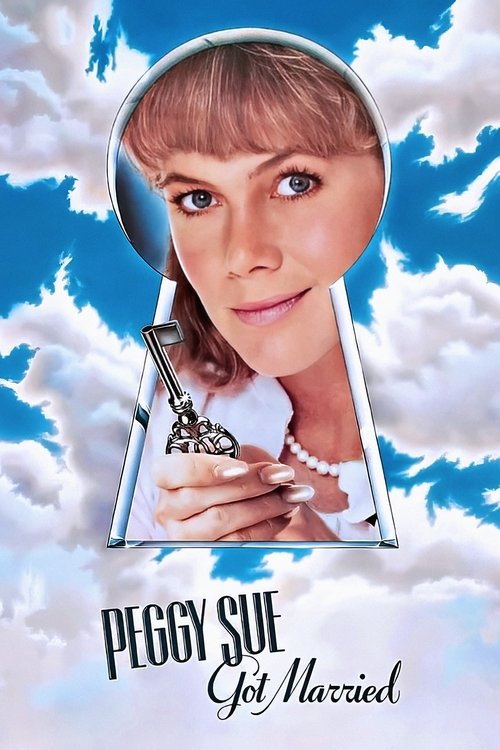
1986
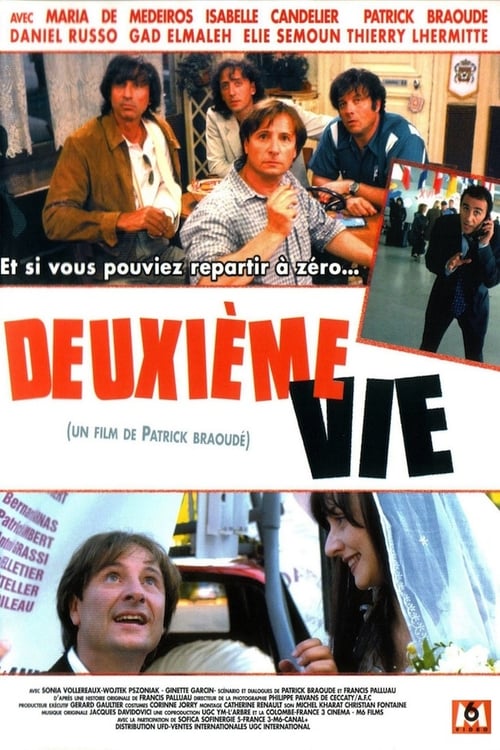
2000
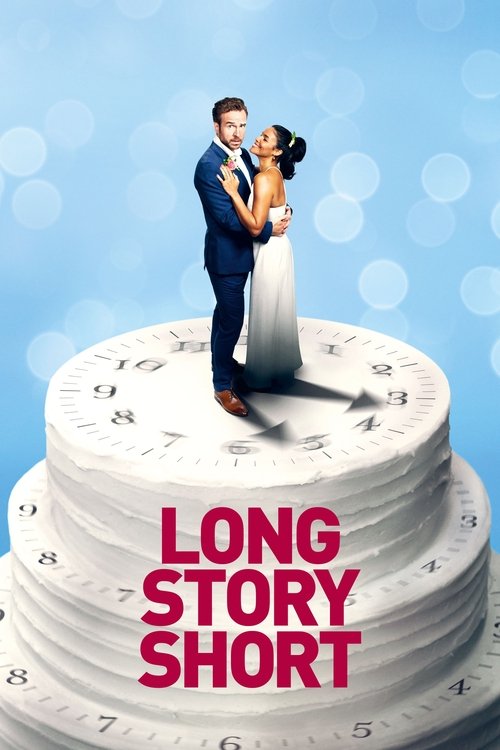
2021
No reviews yet. Be the first to share your thoughts on this movie!
Use the rating form above to leave a star rating and optional review.