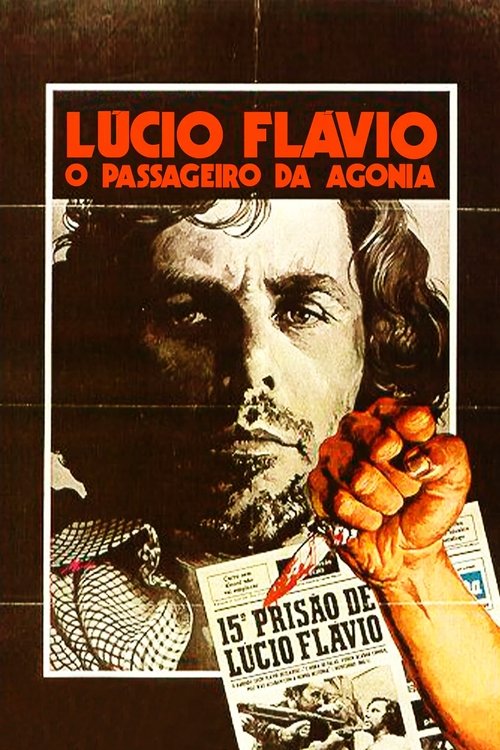
Lucio Flavio
1977
No user ratings available yet
Representation score: 5.3 out of 10

Representation Score
Fair
1982
Director
Roberto Farias
Runtime
105 minutes
Average Rating
No ratings yetNew Showbiz Analysis
Roberto Farias presents a sophisticated critique of institutional authority. Using a protagonist caught in a case of mistaken identity, the film exposes the fragility of individual control against an encompassing state apparatus. The work serves as a critical examination of systemic oppression rather than a study of contemporary identity politics. It challenges the official historical narrative of the 'economic miracle' by framing it as a mask for state violence. While the film lacks representation in specific categories like LGBTQ+ or disability, its strength lies in its deep cultural critique of power dynamics and national identity.
Category Breakdown
The film does not include explicit LGBTQ+ characters or narratives. The story centers around political and class-based conflicts in 1970s Brazil.
The narrative emphasizes the political struggle of a male protagonist within a patriarchal system. There is limited evidence of women taking significant roles or subverting gender hierarchies.
The film showcases the diverse socio-political layers of Brazil. It highlights tensions between the middle class and political activists, disrupting monolithic national identities.
The film effectively critiques state-driven capitalism and institutional power. It exposes the systemic harm to political dissidents during the military regime by challenging state-sanctioned patriotism.
There is no information about the portrayal of physical or neurodivergent disabilities in this work.
Present on Screen
Limited or Absent
Official Synopsis
Mid-1970s. When the military regime's "economic miracle" and the victory of the Brazilian football team on the World Cup serve as a distraction for the persecution of opposition leaders by the political police of the dictatorship. Under this context, Jofre Godoi da Fonseca, an alienated middle-class man, is mistaken for Sarmento, a political activist he met at an airport prior to his assassination. He is then arrested for being "subversive".
1977

1969

1987
1997

1988
2009

1970
1970
No reviews yet. Be the first to share your thoughts on this movie!
Use the rating form above to leave a star rating and optional review.