Goodbye to the Past
1961
No user ratings available yet
Representation score: 5.0 out of 10
Representation Score
Fair
1966
Director
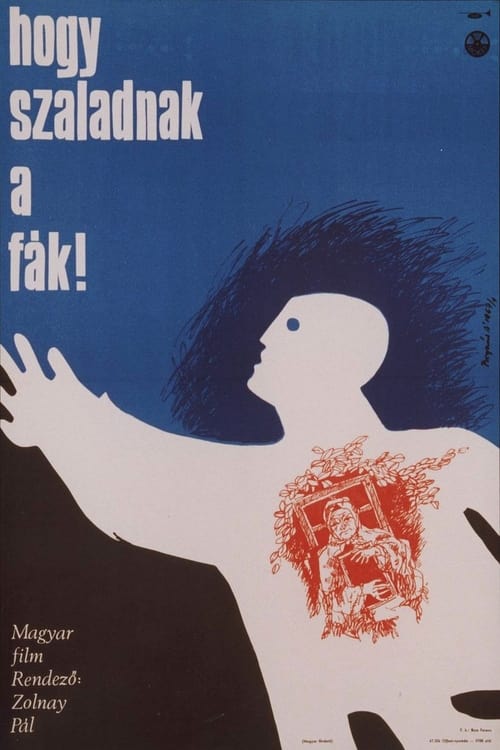
Pál Zolnay
Runtime
82 minutes
Average Rating
No ratings yetNew Showbiz Analysis
The Sack is a culturally specific psychological drama that emphasizes internal emotional truth over broad demographic representation. It serves as a somber exploration of memory and domestic life, avoiding modern frameworks of identity and diversity.
Category Breakdown
The film does not explicitly depict LGBTQ+ identities or relationships outside of traditional heterosexual ones. The story centers on the bond between Simon and his foster mother, Aunt Lina.
Aunt Lina is a central figure, offering a nuanced look at the female experience through her emotional resilience. Her character explores the quiet sadness and complexity of her life.
Set in a rural Hungarian village, the film reflects the region’s demographic uniformity. There is no indication of a multi-ethnic cast or diverse casting.
The film challenges idealized notions of rural life by highlighting fragmentation and the weight of memory. It presents a disillusioned view of traditional social structures and family life.
There are no characters with visible physical or neurodivergent disabilities in the narrative.
Present on Screen
Limited or Absent
Official Synopsis
For the first time after 11 years, Simon, a young historian visits the village of his childhood at Balaton and Aunt Lina, his foster-mother. He gets upset by what he experiences there: the old woman's troublesome and vexing everydays, her quiet sadness. He is overwhelmed by his own memories, the death of his foster-father and by everything he was not aware of before, or he simply wanted to forget.
1961

1963
1980
1976
1963
1984

1991

1988
No reviews yet. Be the first to share your thoughts on this movie!
Use the rating form above to leave a star rating and optional review.