The Tempest
1908
No user ratings available yet
Representation score: 2.5 out of 10
Representation Score
Limited
1993
TV-Y7Director
Dave Edwards, Stanislav Sokolov
Runtime
26 minutes
Average Rating
No ratings yetNew Showbiz Analysis
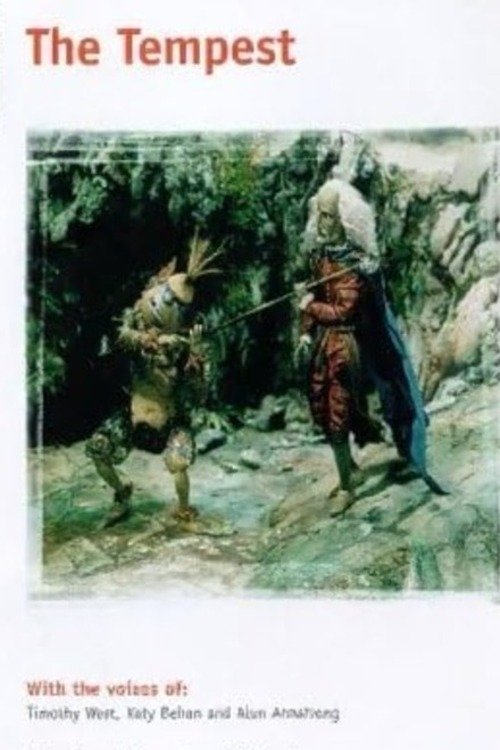
The film opens on a misty, forgotten isle, a stop-motion landscape that feels less like a stage and more like a psychological state. Dave Edwards and Stanislav Sokolov’s 1993 adaptation of The Tempest grounds Shakespeare’s text in a naturalistic, almost documentary style, using the physicality of the island to sell the magic as a form of control. The sold meaning is clear: Prospero is the competent patriarch whose power, though abusive, is ultimately redeemable. The camera loves his face, lingering on his lined features as he dictates the fate of kings and spirits. Caliban, the native, is the film’s primary object of scrutiny; his speech is treated as primitive, his desires as base, yet his suffering is presented as the direct result of colonial exploitation. The film does not laugh at him; it observes his subjugation with a deadpan seriousness that makes the power dynamics feel inescapable. The contradiction lies in the ending. Prospero breaks his staff, a gesture that sells the idea of mercy and the end of control. But the last image is not one of liberation for Caliban or the island; it is one of restoration. The Duke is reinstated, the King is humbled but spared, and the social order is re-established. The film argues that true power lies in the ability to forgive, but it also suggests that the "native" is not a monster but a victim of exploitation who must be managed by the wise colonizer. The moral verdict is that hierarchy is necessary, but it must be tempered by conscience. The camera does not cheer the kill; it observes the consequences of political betrayal and the cost of control. In the end, the film sells a vision where the old default is not inverted but refined, where the father’s authority is the only thing that can hold the island together.
Category Breakdown
No same-sex intimacy or non-heteronormative identity appears. The romantic plot is strictly heterosexual, pairing Miranda and Ferdinand. No character’s gender or sexual orientation is questioned beyond the default.
Miranda mediates reconciliation, but her authority derives from her father. Prospero retains the final word, breaking his staff to end the conflict. The hierarchy remains patriarchal: the father controls, the daughter mediates, and the son inherits.
Caliban is the island’s native, depicted as a slave by Prospero. The film presents the colonial dynamic explicitly, showing Prospero exploiting Caliban, who resists with curses. The narrative restores the colonizer’s order rather than dismantling it.
The film treats political power and forgiveness as the central moral arc. Prospero’s mercy over Alonzo’s ambition is the thesis. Traditional institutions are restored, but the film critiques their abuse, affirming hierarchy tempered by conscience.
No character is depicted with a physical, sensory, or cognitive disability. Caliban’s monstrosity is a racial metaphor, not a disability allegory. Ariel is a spirit, not a disabled person. No impairment is treated as a lesson or identity marker.
Present on Screen
Limited or Absent
Official Synopsis
Shakespeare: The Animated Tales, Season 1, Episode 2. Exiled Prospero lives on a desolate island with his daughter, Miranda. When Prospero's usurping brother sails by the island, Prospero conjures a storm that wrecks the ship and changes all of their lives.
1908
1991
2014
1998

2010
1979

1996
1989
No reviews yet. Be the first to share your thoughts on this movie!
Use the rating form above to leave a star rating and optional review.