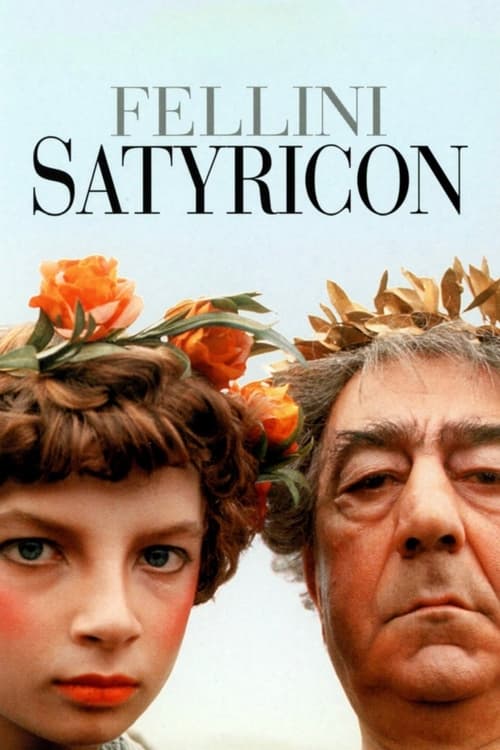
Satyricon
1969
No user ratings available yet
Diversity score: 7.1 out of 10

1979
RDirector
Derek Jarman
Runtime
95 minutes
Average Rating
No ratings yetSynopsis
Prospero, a potent magician, lives on a desolate isle with his virginal daughter, Miranda. He's in exile, banished from his duchy by his usurping brother and the King of Naples. Providence brings these enemies near; aided by his vassal the spirit Ariel, Prospero conjures a tempest to wreck the Italian ship. The king's son, thinking all others lost, becomes Prospero's prisoner, falling in love with Miranda and she with him. Prospero's brother and the king wander the island, as do a drunken cook and sailor, who conspire with Caliban, Prospero's beastly slave, to murder Prospero. Prospero wants reason to triumph, Ariel wants his freedom, Miranda a husband; the sailors want to dance.
Overall Score
Good
Category Breakdown
LGBTQ+ Representation
The film utilizes queer aesthetics to challenge heteronormative structures. It employs a visual language that celebrates non-cisnormative expressions. Queer desire and the disruption of romantic tropes are fundamental to the film's identity.
Gender Representation
Traditional gender hierarchies are disrupted by emphasizing the volatility of power. The cinematic execution highlights the fragility of masculine authority. Power dynamics are presented through shifting agency and destabilized roles.
Racial & Ethnic Diversity
A non-traditional, diverse ensemble avoids the homogeneity of classical adaptations. Caliban is reframed as a colonized subject resisting imposed order. This approach critiques colonial expansion and systemic subjugation.
Religious & Cultural Diversity
The narrative critiques Western institutional authority by presenting magic as an imposition. It embraces moral relativism and anti-authoritarian themes. The film portrays 'civilization' as a disruptive force against the natural.
Disability Representation
The experimental, fragmented style may resonate with neurodivergent viewing patterns. However, there is no explicit, character-driven focus on specific physical or mental disabilities. Otherness is tied to metaphysical status.
Strengths
Areas for Improvement
AI Analysis
Derek Jarman’s adaptation functions as a radical deconstruction of Shakespeare, using a postmodern aesthetic to challenge classical narratives. It shifts focus from Prospero’s rightful rule to the systemic tensions of his colonial presence. The film excels in its subversion of traditional hierarchies. By utilizing queer semiotics and post-colonial themes, it moves beyond simple inclusion to create a sophisticated critique of power and authority. While the film is visually and conceptually progressive, it lacks specific, character-driven representations of disability. The focus remains primarily on metaphysical and political identities rather than clinical or social depictions of disability.
1969
1975
1984

1988

1997
1976
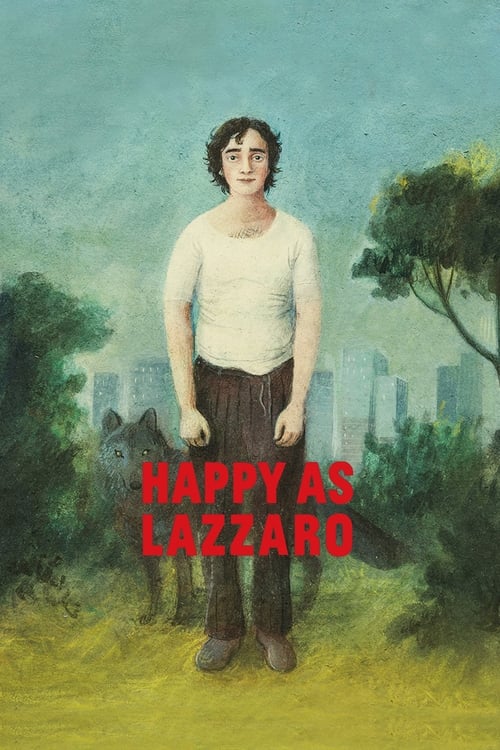
2018

2015
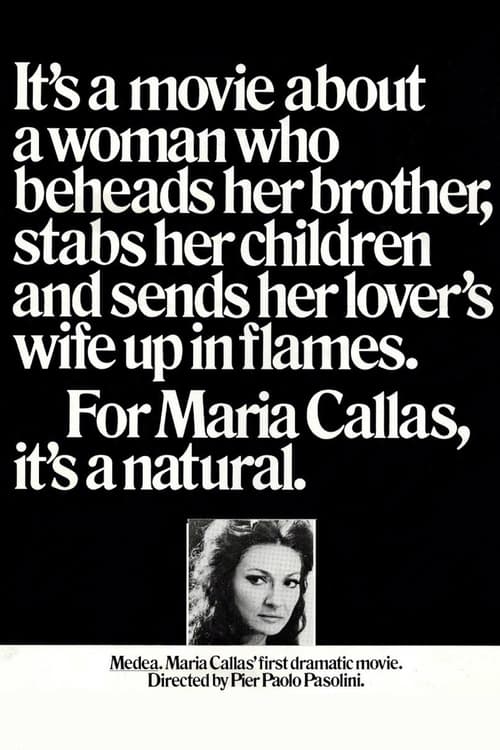
1969
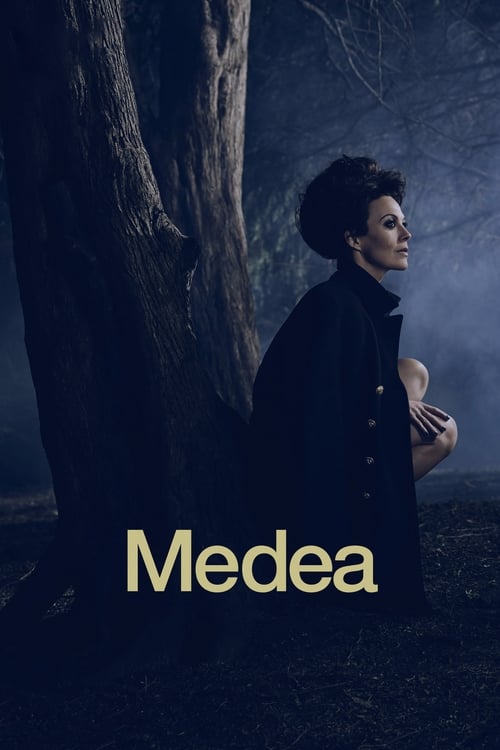
2014
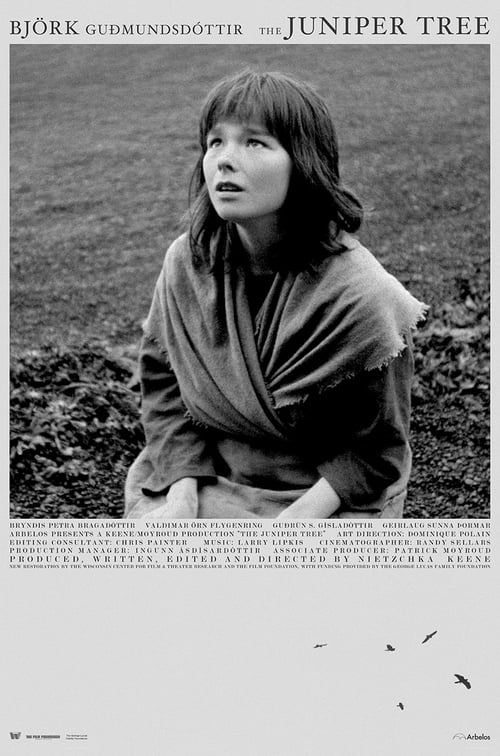
1990
1981
No reviews yet. Be the first to share your thoughts on this movie!
Use the rating form above to leave a star rating and optional review.