
Lady Gangster
1942
No user ratings available yet
Diversity score: 3.1 out of 10
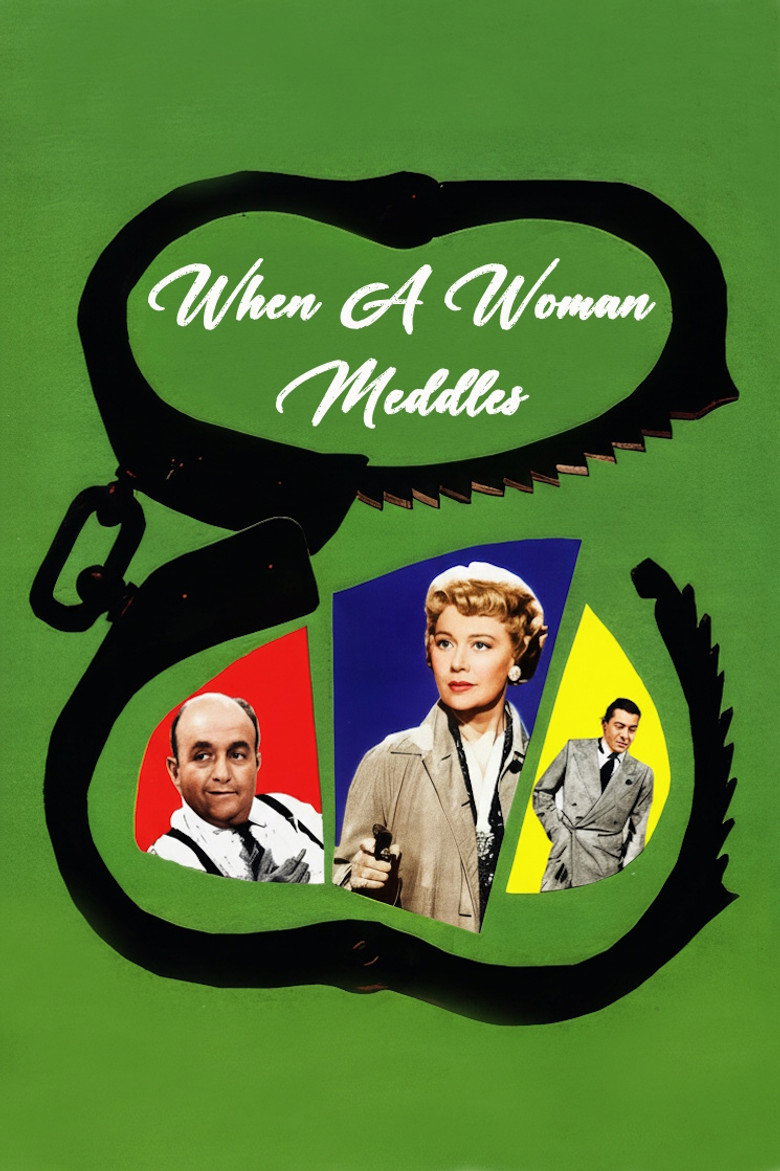
1957
Director
Yves Allégret
Runtime
90 minutes
Average Rating
No ratings yetSynopsis
French film favorite Edwige Feuillere plays a high-class gangster's moll named Maine. When Maine's first husband and daughter pay a visit, it's an awkward time for our heroine and her current amour, gang boss Godot (Jean Servais). In addition to fielding a lot of embarrassing questions, Godot also has to deal with a pesky turf war with a rival mobster. Not that the ex-husband is a paragon of virtue: he's busy trying to get even with a crooked business associate.
Overall Score
Limited
Category Breakdown
LGBTQ+ Representation
The film lacks explicit evidence of LGBTQ+ characters or non-heteronormative identities. The narrative focuses on the romantic and familial tensions between Maine, Godot, and her ex-husband.
Gender Representation
Maine disrupts the typical gangster moll trope by serving as the central catalyst for conflict. Her presence forces male characters to navigate complex social and domestic dynamics, granting her significant agency.
Racial & Ethnic Diversity
The production reflects a homogeneous social group typical of 1957 European cinema. There is no evidence of diverse casting or intentional racial blending within this domestic criminal underworld.
Religious & Cultural Diversity
The story explores moral ambiguity through characters involved in organized crime and corrupt business. It avoids traditional moralizing but does not prioritize specific anti-institutional or anti-capitalist critiques.
Disability Representation
There is no mention of characters navigating physical or neurodivergent disabilities within the narrative.
Strengths
Areas for Improvement
AI Analysis
This 1957 crime drama offers a nuanced look at gendered agency within a mid-century framework. While the film adheres to the era's standard demographic homogeneity, it elevates its female lead beyond a passive accessory. The protagonist, Maine, drives the plot by forcing the male-dominated criminal landscape to confront domestic and social complexities. This positioning provides a layer of psychological depth often missing from standard genre tropes. However, the film remains largely constrained by the social structures of its time, lacking LGBTQ+ representation and racial diversity. It functions primarily as a character study of interpersonal tension and moral ambiguity.
1942
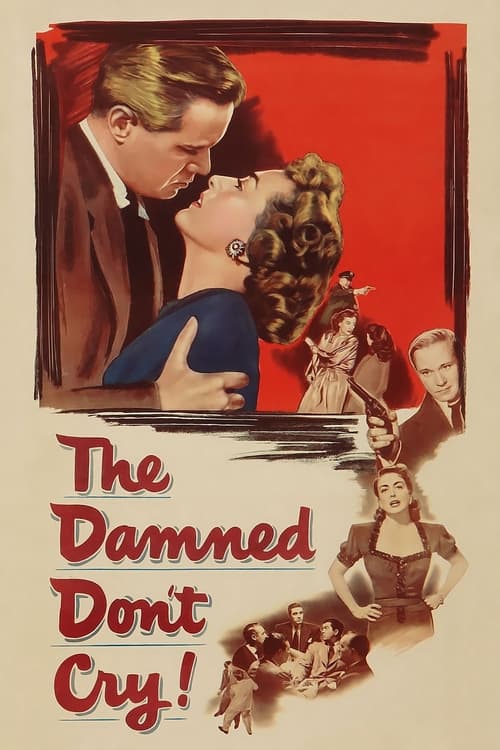
1950
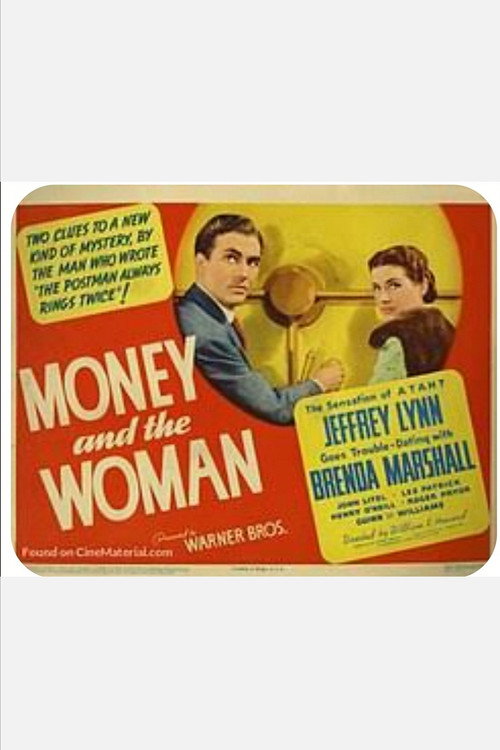
1940
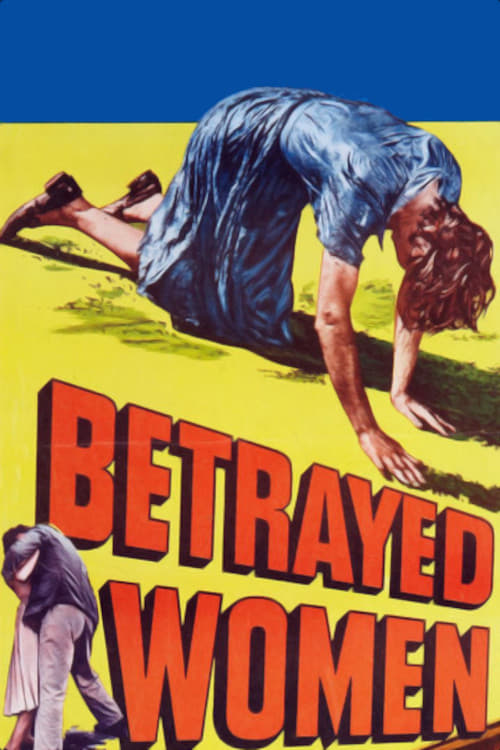
1955
1955

1946
1974

1958
1952
1957
1961
1960
No reviews yet. Be the first to share your thoughts on this movie!
Use the rating form above to leave a star rating and optional review.