Radio Dynamics
1942
No user ratings available yet
Representation score: 0.6 out of 10

Representation Score
Minimal
1942
Director
Oskar Fischinger
Runtime
1 minutes
Average Rating
No ratings yetNew Showbiz Analysis
Color Rhythm is a purely formalist, non-narrative experiment in visual music. By focusing on the interplay of color and rhythm through abstraction, the film lacks characters, dialogue, or plot necessary to explore human identity. While Oskar Fischinger’s work challenges traditional cinematic expectations through non-representational movement, it operates outside the realm of social representation. The absence of human subjects means the film does not address the way different parts of someone's identity overlap, ability to act, or systemic power, remaining a technical exercise in rhythm.
Category Breakdown
The film is abstract and non-representational, with no characters or gendered identities depicted.
Without human characters, the film does not engage with gender hierarchies or roles.
The film uses colors and shapes instead of human figures, so there are no characters to depict diversity.
As a non-narrative experiment, the film avoids showing Western institutions or social structures, focusing on abstract forms.
The film contains no human characters or sentient beings, so there is no depiction of physical or neurodivergent identities.
Present on Screen
Limited or Absent
Official Synopsis
An experiment in color and rhythm with no music. An unfinished film that was later edited into Radio Dynamics.
1942
1931
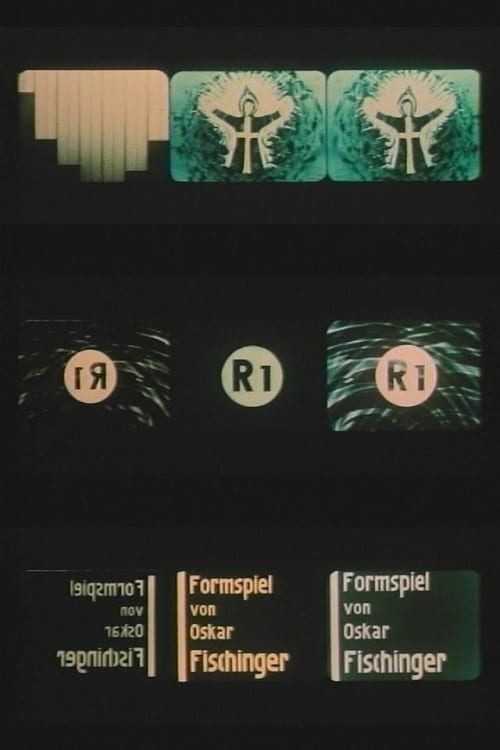
1927
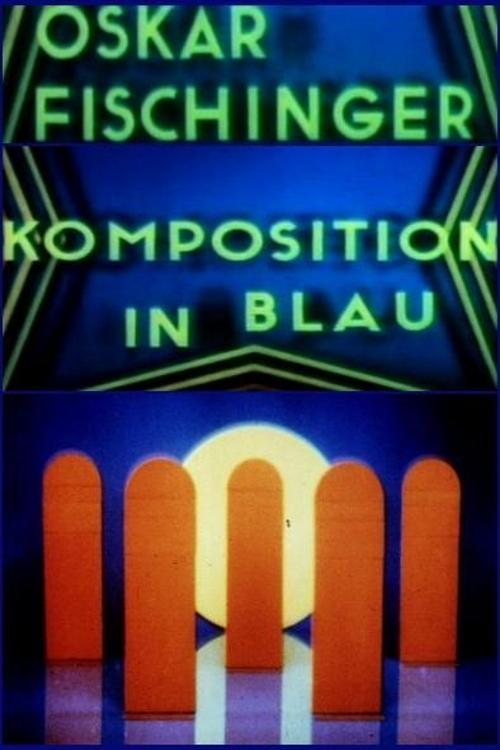
1935
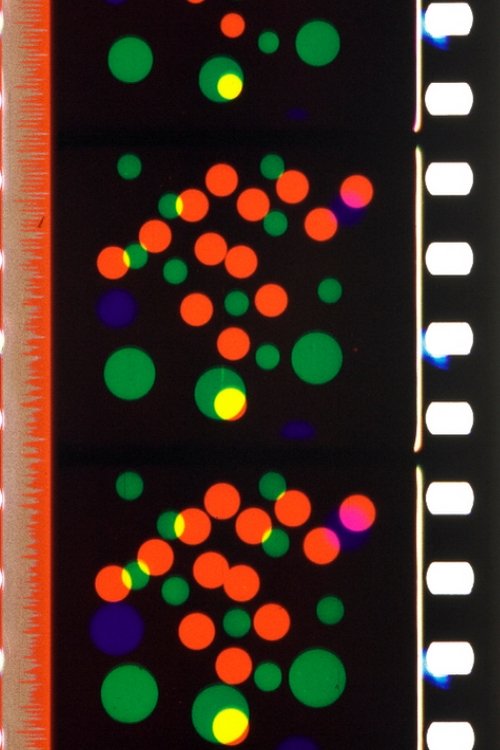
1933
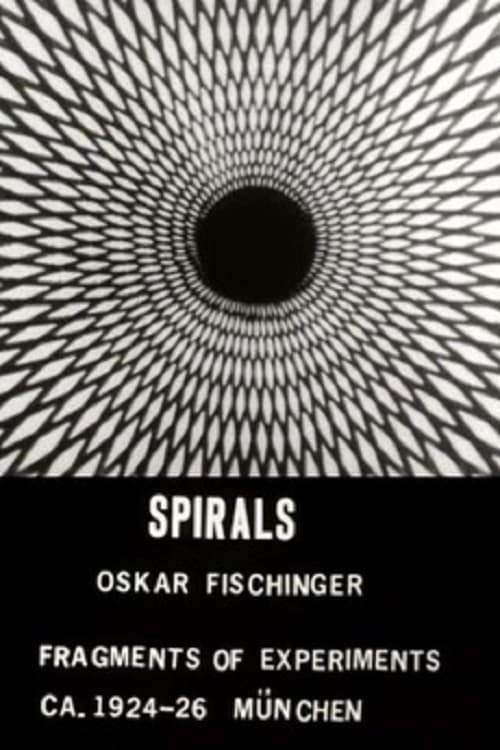
1926
1930
1936
No reviews yet. Be the first to share your thoughts on this movie!
Use the rating form above to leave a star rating and optional review.