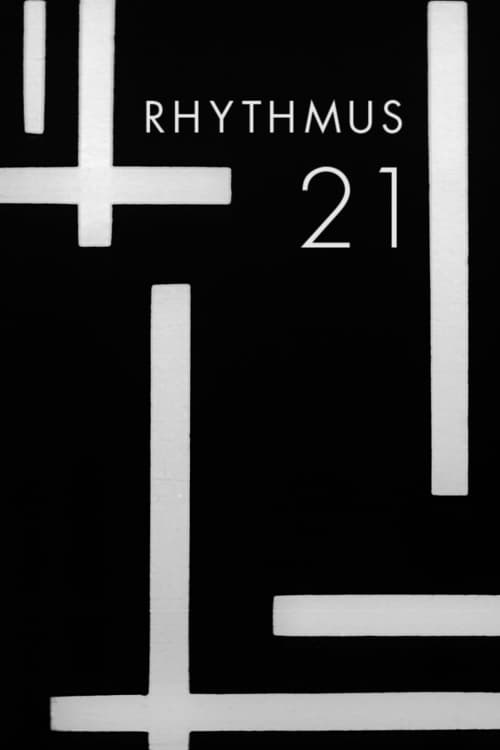
Rhythm 21
1921
No user ratings available yet
Representation score: 0.6 out of 10
No Poster Available
Representation Score
Good
1936
Director
Ted Nemeth, Mary Ellen Bute
Runtime
2 minutes
Average Rating
No ratings yetNew Showbiz Analysis
Dada is a foundational experimental work that achieves neutrality through abstraction. By avoiding human subjects, the film sidesteps systemic biases and stereotypes common in 1930s cinema. While the film cannot explicitly develop multi-layered characters due to its abstract nature, its narrative structure prioritizes rhythmic form over social categorization, providing a non-hierarchical experience. The work functions as a 'color-blind' abstraction. Although this is a result of the medium's limitations rather than intentional casting, it avoids the straight-centered and racial clichés of the era.
Category Breakdown
The film features geometric shapes such as lines and circles against a black background. Since there are no sentient characters, there is no depiction of sexual orientation.
This non-human animation uses mathematical and rhythmic forms. It avoids traditional gender hierarchies by not depicting domesticity or social roles.
The visual elements consist of monochromatic patterns and kaleidoscopic light. Without human subjects, the film does not address racial or ethnic representation.
The work adheres to Dadaist principles by challenging traditional aesthetics. The inclusion of a Yin and Yang symbol indicates a move away from singular Western moralities.
There are no characters depicted in this short. Therefore, the film does not represent physical or neurodivergent identities.
Present on Screen
Limited or Absent
Official Synopsis
A (barely) two minute short is that it was made specially for a Paramount newsreel segment on Bute and Nemeth making films in their teensy New York apartment. Paramount apparently never got round to including the filmmakers in any newsreel, but their own film survived in the Bute-Nemeth Archive. (weirdwildrealm.com) To the rhythm of music that sounds a bit like a Busby Berkeley tune, lines and circles appear against a black background. Then triangles, in groups. Black and white squares move in tandem. Sparkling forms turn in kaleidoscopic patterns. Then cubes appear, white against the background, bouncing; a yin and yang rotate a few times before the film ends with an quick burst of scattering light.
1921
1937
1930
1936
1937
1952
1926

1924
No reviews yet. Be the first to share your thoughts on this movie!
Use the rating form above to leave a star rating and optional review.