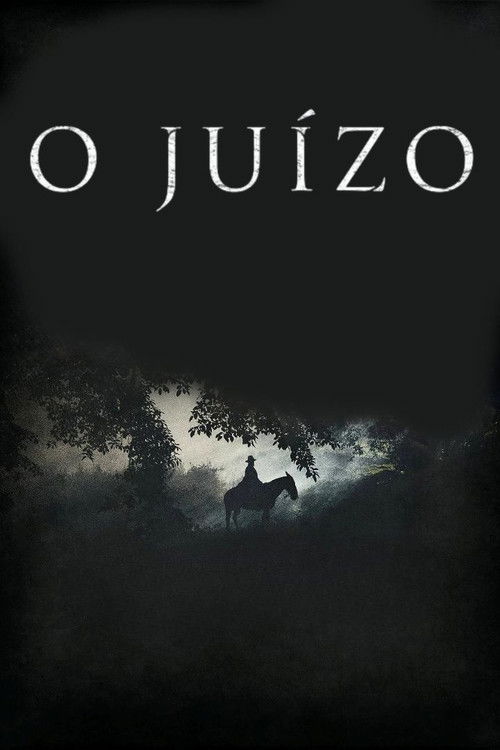
O Juízo
2019
No user ratings available yet
Representation score: 2.4 out of 10
Representation Score
Good
2015
Director
Mauricio Brunetti
Runtime
90 minutes
Average Rating
No ratings yetNew Showbiz Analysis
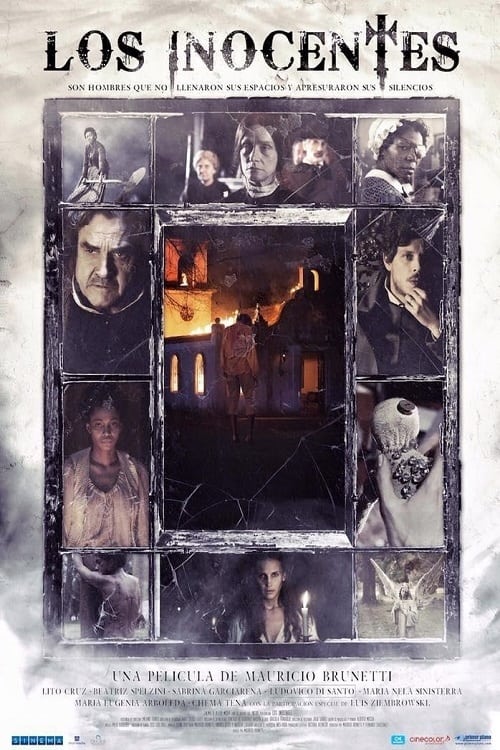
The Innocents uses the horror genre to dismantle the romanticized myth of the 19th-century Argentine pastoral life. By centering the experiences of the oppressed, the film transforms a standard family reunion into a critique of colonial and class-based hierarchies. The film excels in its exploration of racial and cultural power dynamics. It avoids traditional clichés by making the historical trauma of enslaved people the primary catalyst for the supernatural elements. While the film offers a deep critique of race and class, it lacks representation for LGBTQ+ identities and characters with disabilities. The focus remains strictly on the historical conflict between the landed gentry and the enslaved.
Category Breakdown
The story focuses on heterosexual family dynamics between Rodrigo and Bianca. There is no visible evidence of queer narratives or non-binary identities.
The film challenges traditional feminine stereotypes by depicting a mother driven by destructive social preservation. It centers on the historical victimization of female slaves.
Non-white characters drive the plot through their ghostly revenge against systemic oppression. The narrative places the enslaved population at the center of its moral conflict.
The film critiques colonial institutions and the landed aristocracy. It deconstructs traditional social values like 'honor' by framing them as justifications for violence.
The narrative contains no mention of characters navigating physical or neurodivergent disabilities.
Present on Screen
Limited or Absent
Official Synopsis
19th century Argentina. After having had to leave the country fifteen years ago, prodigal son Rodrigo finally returns to the family farm in Mercedaria to introduce his wife Bianca to his parents. He’s not really looking forward to this family reunion. His youth was spent working with the slaves on the farm who were treated without mercy by his parents. His father regularly abused the female slaves, while his mother even burned one alive to save the family honor. It’s time for some ghostly revenge and this happens to coincide with Rodrigo’s return.
2019
1969
2018

2019
2013
1991

1934
2019
No reviews yet. Be the first to share your thoughts on this movie!
Use the rating form above to leave a star rating and optional review.