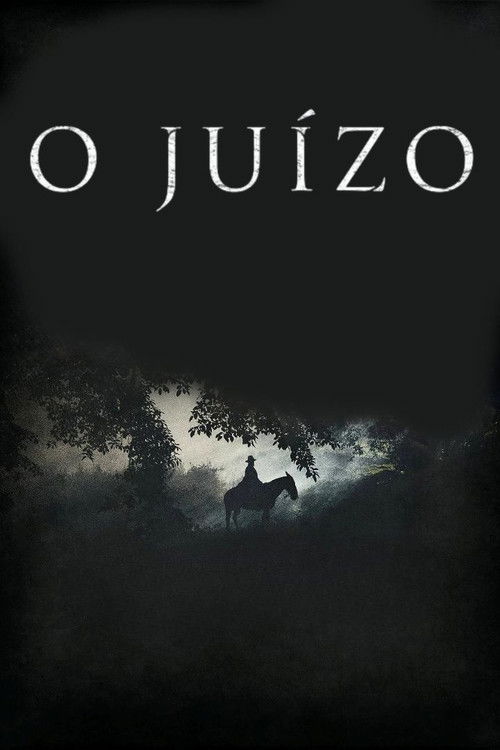
O Juízo
2019
No user ratings available yet
Representation score: 2.4 out of 10
Representation Score
Excellent
2018
Director
Ian Abé, Ramon Porto Mota, Jhésus Tribuzi, Gabriel Martins
Runtime
128 minutes
Average Rating
No ratings yetNew Showbiz Analysis
The film successfully challenges horror clichés by identifying systemic racial oppression as the true source of terror rather than supernatural entities. By centering the African diaspora's history in Brazil, it provides a profound critique of colonial power hierarchies. While the anthology structure limits deep dives into individual identities, the thematic focus on historical trauma offers a meaningful lens for exploring underrepresented experiences. The film serves as social commentary through the medium of genre fiction.
Category Breakdown
The film does not explicitly include LGBTQ+ characters or non-straight relationships. However, its focus on underrepresented perspectives suggests a narrative space more open to nuanced identities compared to typical horror films.
The anthology format limits specific character arcs, but the plantation setting implies a focus on gendered power dynamics. It likely explores the vulnerability and empowerment of women within oppressive colonial structures.
The narrative centers on the historical trauma of Brazilian slavery. By using a sugar cane farm, the film highlights the experiences of Black bodies and the systemic violence of colonial structures.
The film critiques colonial institutions by portraying the plantation system as a site of corruption. It frames historical injustice as an oppressive force that continues to haunt the present.
The story explores the physical and psychological scars of slavery. This suggests a focus on trauma as a form of invisible disability or a chronic psychological condition affecting the characters.
Present on Screen
Limited or Absent
Official Synopsis
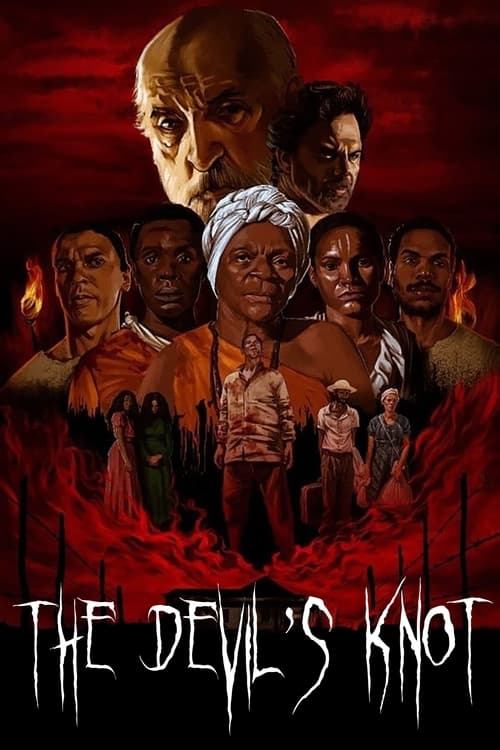
During the slavery period in Brazil, a sugar cane farm was the stage for the darkest kinds of horrors. Years later, the place's cruel past is still stained in its walls, even if unnoticed, until a series of strange events starts happening and death returns to the farm. The film is divided in five short horror stories.
2019

1963
2015

1981
2021
1968
2013
2017
No reviews yet. Be the first to share your thoughts on this movie!
Use the rating form above to leave a star rating and optional review.